Emory Diverge: On Multicultural Voices

We’re only different leaves, drifting…

Category: EXPEDITIONS

  • Qeuramantien Translation: Love In The Time of Cholera

    Qeuramantien Translation: Love In The Time of Cholera

    Tom Zhang is a History and Anthropology student at Emory College of Arts and Sciences, graduating in 2026. 

    With his own language Qeuramantien, Tom experimented with translating the magical realist masterpiece, Love in the Time of Cholera by the Nobel-prize winning Gabriel García Márquez. The original paragraph takes place in the novel when Fermina and Florentino meet each other again after years of letter writing, having a moment of shattered illusion for each other. Tom translated from both the English and the Mandarin version of the Spanish novel, exploring the differences in the structure of language.

    Original version (Spanish): 

    Éste no es un buen lugar para una diosa coronada.

    Ella volvió la cabeza y vio a dos palmos de sus ojos los otros ojos glaciales, el rostro lívido, los labios petrificados de miedo, tal como los había visto en el tumulto de la misa del gallo la primera vez que él estuvo tan cerca de ella, pero a diferencia de entonces no sintió la conmoción del amor sino el abismo del desencanto.En un instante se le reveló completa la magnitud de su propio engaño, y se preguntó aterrada cómo había podido incubar durante tanto tiempo y con tanta sevicia semejante quimera en el corazón. Apenas alcanzó a pensar: ‘¡Dios mío, pobre hombre!’. 

    Florentino Ariza sonrió, trató de decir algo, trató de seguirla, pero ella lo borró de su vida con un gesto de la mano. ‘No, por favor,’ le dijo —‘Olvídelo.’

    English version: 

    “This is not the place for a crowned goddess.”

    She turned her head and saw, a hand’s breadth from her eyes, those other glacial eyes, that livid face, those lips petrified with fear, just as she had seen them in the crowd at Midnight Mass the first time he was so close to her, but now, instead of the commotion of love, she felt the abyss of disenchantment. In an instant the magnitude of her own mistake was revealed to her, and she asked herself, appalled, how she could have nurtured such a chimera in her heart for so long and with so much ferocity. She just managed to think: My God, poor man!

    Florentino Ariza smiled, tried to say something, tried to follow her, but she erased him from her life with a wave of her hand. “No, please,” she said to him. “Forget it.”

    Mandarin version:

    这可不花冠女神该来的地方。” 她回过头,在距离自已的双眼两拃远的地方,她看见了他那冰冷的眼睛,青紫色的面庞和因爱情的恐俱面变得僵硬的双唇。他离她那么近,就像在子时弥躁动的人群中看到他的那次一样。但与那次不同,此刻她没有感到爱情的震颤,而是坠入了失望的深渊。在那一瞬间,她恍然大悟,原来自己对自己撒了一个弥天大谎。她惊慌地自问,怎么会如此残酷地让那样一个幻影在自己的心间占据了那么长的时间。她只想出了一句话:“我的上帝啊,这个可怜的人!”弗洛伦蒂诺·阿里萨冲她笑了笑,试图对她说点什么想跟她一起走,但她挥了挥手,把他从自己的生活中抹掉了―― “不,请别这样。”她对他说,“忘了吧。”

    Queramentien:

    “Erh nisplatzershonûldita diakfuliaaifkaziotz”

    Tûrafidsira, ta wiherra déslirasialus fisélhaonswitza, sawisira mirionswitzakhasniéli, fiatzeradieuailiunTzéskra bukadireistzbûraigenalonviera.

    Tohzesmwio altonvie, ika na timantze fionzem sawisira iniviane plonmanaMisazonhiqa. Bû nétûh fielhsira nitzt ublialonviera,  ton nerpétzatuendivio

    ondûatsira. Tahtimantie sélssira —— Onhsélh hliefvihsiranad. Kaoajivie onhsélh isaksira kwih hûjivie dathusélviqεhmisdûtzanin sûtzhatzmûsaotz. Kûεseh’sira onnulwi na uléha: “Uonra mane, désalditarak!”

    Onhzesm swionua Florentinno Arizaotz, trauramil talhzesm qéltisauauléunAjwit, bû manuéonrasira misihabwitunFionividmis niraih zem.“Non, nétzipa” Onhzem sausira, “Fionvigatzpa.”

  • Poetry: Murmur

    Poetry: Murmur

    Joseph Tang is a Classics student at Emory College of Arts and Sciences, graduating in 2027. Outside of Diverge, Joseph is also part of Emory Chinese Theatre Club and Suddenly Press, a philosophy journal.

  • Homegoing

    Homegoing

    By Abby Russ

    Abby Russ (she/her) is a Human Health + Economics student at Emory College of Arts & Sciences. She will graduate from Emory in 2026.

    I stood at the very top of the Black Star Monument in Accra, Ghana—a vibrant hub of West Africa history—filled with pride and a profound sense of belonging. On the edge of the platform, the Ghanaian flag billowed in my hands as I felt the weight of generations settle into the moment.

    As a first-generation Ghanaian-American, I’ve spent much of my adolescence piecing together my identity. I’ve balanced the influence of my predominantly white school environment with my parents’ stories, values, and the Ghanaian cuisine I grew up on. From packing Jollof rice for lunch to starting an African Student Association at my high school, intertwining my love for my culture with my academic and social life was always a priority of mine.

    But here, with the Atlantic Ocean behind me sending strong breezes—whispers of both hardship and triumph—something crystallized within me. The flag in my hands wasn’t just a national symbol; it was a tangible link between my American upbringing and my deep-rooted Ghanaian heritage.

    With the sun burning my shoulders and the Black Star Monument casting its long shadow before me, I understood that my cultural identity was never divided. It was, in fact, what has kept me whole since birth.

    I am who I am today because of my culture—and because of the impact I hope to make one day for my country. My Ghanaian heritage began the day I was born in New Jersey, when I was given an Asante name—a name that has guided me all my life, leading me home in more ways than one. Everyday I wake up with my name “Abena Amankwah” fueling my passions and desires to make a change within my community through my professional, social, and academic endeavors. These feelings associated with my name are something I carry on my shoulders everywhere.

    And at this very moment, I wave my Ghanaian flag with pride, honor, and belonging—and I will continue to wave it until I can make my country proud.

  • Collage: Cyborgs

    Collage: Cyborgs

    Amiee Zhao will graduate from Emory College of Arts and Sciences in 2026. She is double majoring in English and Politics, Philosophy, Law. Outside of Diverge, she is also an avid writer and leaf collager.

    This collage explores the concept of women as cyborgs—hybrid human/non-human beings, or robot/animal-like organisms. Donna Haraway was the first scholar to theorize cyborgs as a response to the long tradition of objectifying women by anatomizing their bodies and denying them fundamental rights. Despite apparent progress in feminism, this misogynistic trend persists—in pop culture magazines like People, for example, where women’s sexuality is either attacked or fetishized. The author tore elements from a recent issue of People and reassembled them to investigate how this tradition might be challenged.

  • I am from

    By Amiee Zhao

    “I am from,” a creative writing submission to the EXPEDITIONS section by Amiee Zhao. This is a writing growing out from a rigorous, performative training session at her internship, a confusion about her linguistic struggles, and a protest against identity politics.

    I am from a space in between

    a bitter gulp of my heart, a dazzling confusion when 

    teachers asked us to write this poem

    starting every line with “I am from,” then insert identities

    and yet I have been obedient for my life, so

    I am from a corner filled with wrinkled scratch papers

    I am from the wasted stories they tell, those which no one cares to recycle

    I am from the run-up sentences in them, choked with breath of tears

    I am from the dirt resting on the foreign characters, left by someone

    from a similar place as I am, but with a different anger, solitude

    I am from the lost emotions, tented up on an enormous skeleton

    I am from the excess of feelings undeliverable by words 

    those embedded in the skeleton of recognized language

    I am from a void of words, submerged beneath the organization, 

    yet above which, total blankness

    I am from a space in between

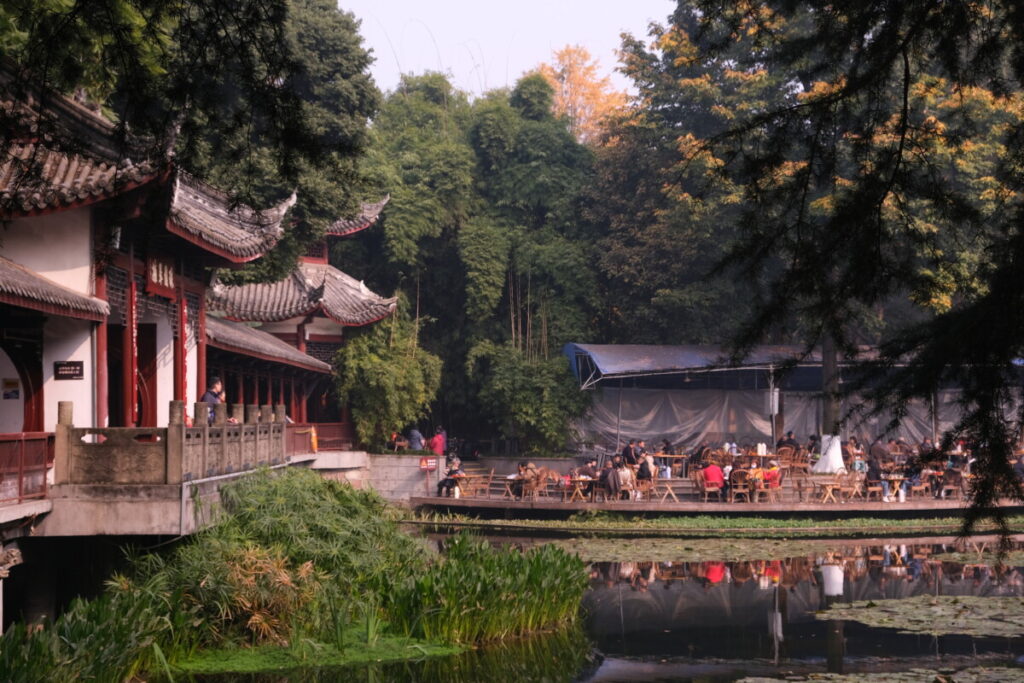
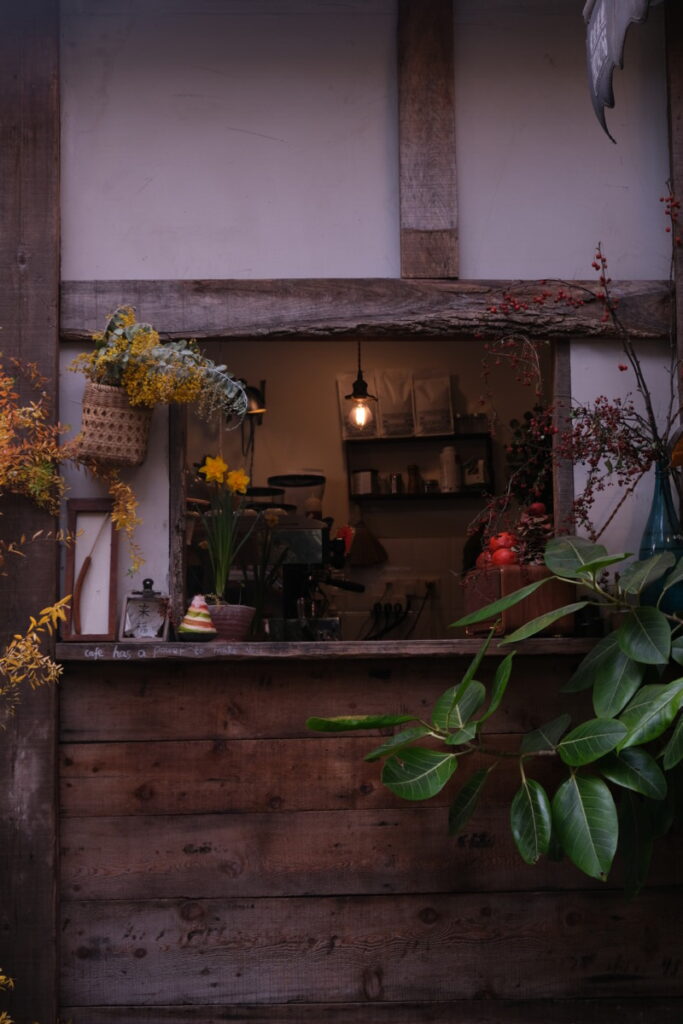
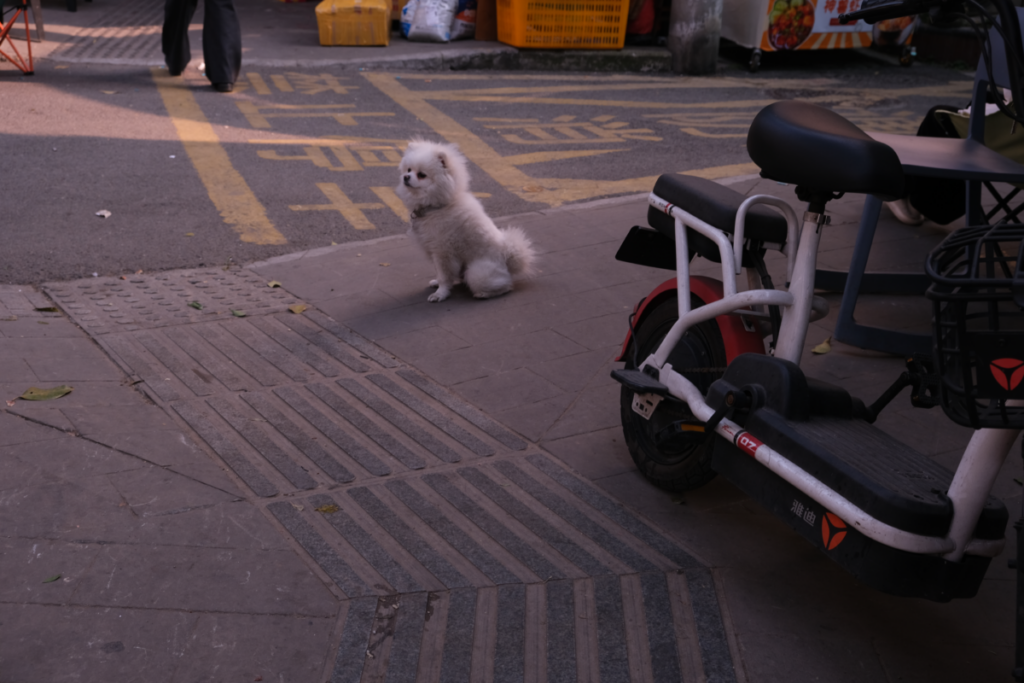
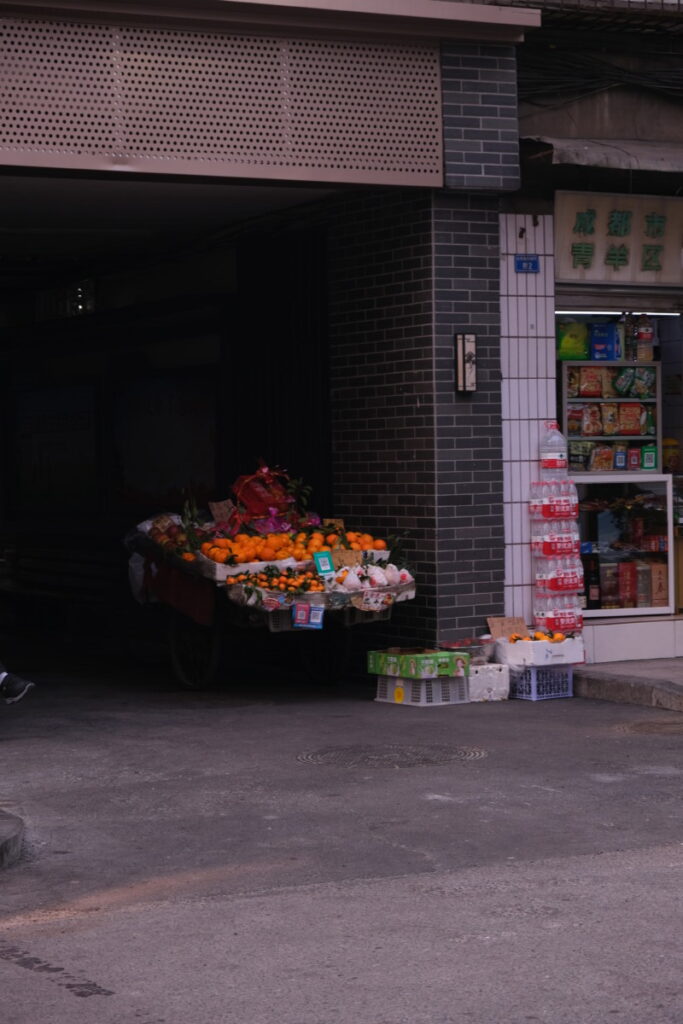
  • Photos in Chengdu

    Photos in Chengdu

    By Yvette Wang

    Yvette Wang will graduate from Emory College of Arts and Science in 2026. Outside of Diverge, she is also actively participating in photography-related events.

  • POV: You Took a Class on Classical Political Thoughts, But Found the Authors to all be Slave Holders…

    POV: You Took a Class on Classical Political Thoughts, But Found the Authors to all be Slave Holders…

    By Mike Yuan

    Mike Yuan will graduate from Emory College of Arts and Sciences in 2025. He majors in Political Science. Outside of Diverge, Mike is also a member of Emory Live, a digital platform of Emory news for Chinese international students.

    Slavery at Emory

    America has been plagued by slavery since its very foundation, and its legacy lasts till this very day. During the Antebellum Era, Southern defenders of slavery gradually transforms their narrative of slavery from “necessary evil” to “”, arguing that African Americans are child-like population that needs to be governed by nature. For instance, Jamieson’s 2011 archival research at Oxford College of Emory University reveals that William Sasnett, a moral philosophy professor at Emory in the late 1850s, joined by other instructors of the institution, offered “proslavery lectures and textbooks at Emory” and “discussions on the evolution of  slaveholder paternalism narratives”.

    Such a pseudomoral, paternalistic approach to slaves and slavery, however, is not unique in the American South. Instead, after reviewing some Platos and some Aristotle’s and their ramblings (you know… the kind of books people put on their desks to look smart), I argue that the moralization of slavery has a long tradition rooted in ancient times of the Western world, that is, both pro-slavery and anti-slavery arguments seek to explain the phenomenon of slavery within a well-defined picture of morality. This morality, due to its privileged position shaped by the Western philosophy canon, is still reinforced in many contemporary education systems.

    Greeks: Slavery is a Structural Necessity

    Ancient Greece is a slave society. In Athens, slavery is the pillar of economic production.

    Such structural irreplaceability was reflected in Plato’s Republic, where he discusses the roles of producers in the ideal city, which implicitly includes slaves as part of the labor force. Plato posits that in his ideal city, one must be diligent, industrious, and committed to the role of economic production as it defines one’s role and existence in the society. First, Plato argues that the sole purpose of state formation is that structural mutual commensurability—“between one man and another there is an interchange of giving, if it so happens, and taking, because each supposes this to be better for himself.” Later, the discussion quickly posits economic production as the chief task of a state: “the result, then, is that more things are produced, and better and more

    easily when one man performs one task.” Notice that Plato firmly believes the predestination of one’s role-specialization, for “one man is naturally fitted for one task, and another for another.” Slaves are best to do the works of slaves, and such one-to-one rigidity is by nature.

    Plato’s argument for the role of producers and one’s loyalty to one’s assigned economic roles can be complemented by his later discussion of class hierarchies. In Book IV, Plato constructs a strict hierarchal order of the society: “so that there are not three but two kinds in the soul, the rational and the appetitive…also in the soul there exists a third kind, this principle of high spirit.” The division of labor and class is strict, scared, and unchallengeable in the Platonic state. In his view, slaves are obviously the irrational and the inspirited. They are a people of no parts in the intellectual domain and are thus subjected to domain of domestic productions.

    Another famous, canonical Ancient Greek philosopher Aristotle supplements Plato in his endorsement of slavery. In Ethics, Aristotle posits that the good of having a slave is not just the “positive good” of having a paternalistic relationship, but is also extended to the dimension of “structural necessities” for household productions. In Part III of Book I, Aristotle makes this point explicit: “seeing then that the state is made up by households, before speaking of the state we must speak of the management of the household…and a complete household consists of slaves and freemen.” If slavery is necessary to a household, and state is in essence a magnified household, then slavery is indeed necessary to the state structure’s management, production, and more.

    The support for slavery remains strong throughout Ancient Greece beyond what has been discussed in this essay. Aristotle, after affirming slavery as economic utilitarian tools as aforementioned, immediately shifts focus to the moral basis of slavery: the institution of slavery symbolizes the nature of hierarchies and dichotomies. Nature, argues Aristotle in Politics, “exists many kinds of both rulers and subjects” and “such a duality exists in living creatures, but not in them only; it originates the constitution of the universe.”

    One may argue that it is not the Aristotelian belief that one is born into a slave, but one “chooses” to be the direct opposite of virtue and happiness and thus devolves into slavery. Yet that argument is no less detrimental and hypocritical, for whether one can be happy in society depends on the ruling class, which is the slave-holding class in this case, as they decide the morality of the society through the power they hold. The idea that institutional correction is a necessary and positive good for the morally defected population still haunts the modern.

    It is always a sad thing to say that America has the world’s largest incarcerated populations. Many of them are the byproducts of the legal punitive approach that was precisely based on the afore-discussed philosophy of moral subjugations. The War on Drugs, for one instance, has lasted for more than half of the 20th century in America and peaked during the Reagon administration, resulting in 1.43 million Americans incarcerated in total with the black and brown communities 9 times more prone to the state-sanctioned violence. Immigrants from China, Mexico, Ireland and other financially insecure communities found themselves particularly vulnerable to cultural assimilation crises and became the subjects of both drug abuse and anti-drug corrections, giving the War another cultural dimension of “correcting” the exotic, morally inferior culture through institutional channels. Even for the little kids, many school of urban Chicago choose to militarize themselves, using police force as an replacement of quality education for the so-called “delinquent children”.

    Another attempt of moralizing slavery is Ancient Rome’s philosopher Seneca’s view over the “appropriate ways of treating the enslaved”. In Letters from a Stoic, Seneca wrote his famous piece on the seemingly humanization of slavery (Letter XLVII). “There are human beings…they share the same roof as ourselves…they are friends, humble friends”, said the old wise man Seneca. However, the seemingly benign picture of social hierarchy that Seneca advocates for is in fact a “welfare slavery” approach that if realized, not only normalizes slavery but also moralizes it. Furthermore, Seneca argues that instead of using lashings and beatings as technologies of discipline and punish, shall adopt “love” as the ultimate instrument that bonds a slave to his master. Love is the currency of morality among freemen, and if slaves were to be elevated to the status of freeman, they must love each other and their masters as freemen do. Thus, Seneca explicitly rejects the emancipation of slavery—“someone will tell us that I’m now inviting slaves to proclaim their freedom and bringing about their employers overthrow…Anyone saying this forgets that…to be really respected is to be loved”—and solidifies his reformist position of substituting visible yokes with the invisible ones.

    From the Aristotelian perspective of moral duality to the Senecan proposal of “moral enslavement”, later narratives of slavery has been drastically changed from the argument of state necessity. Instead of producers, labors and/or war prisoners, slaves become wandering children and beloved “family members” in popular discussions.

    Neo-Slavery and Intellectual Slavery

    Slavery, unfortunately, is still happening in the contemporary society, around me and you, although on a less explicit basis. Understanding the full range of the implications of the legacy of the slavery world requires a better definition of slavery that transcends what’s abolished by the 13th Amendment of US Constitution (i.e. involuntary servitude in physical terms). I would thus like to introduce the Foucauldian discourse of power and the technologies of practicing power: “Between every point of a social body between a man and a woman, between the members of a family, between a master and his pupil, between every one who knows and everyone who does not, there exist relations of power …” (Interview, “The History of Sexuality” 187). Power is not simply a “force of a prohibition”, nor it is a code of law that limits individual freedom by saying no, rather, it “traverses and produces things, it induces pleasure, forms knowledge, produces discourse”(Interview, “Truth & Power” 119). Power, and this “involuntarily” nature of slavery, transcends state functions and state limits, and are diffused into all aspects of human social and economic productions. Therefore it is not surprising that in the classical world, slavery, as the utmost manifestation of power, has quickly ceased to be a mere code of law saying no to the people in chains but expands to a produced and still productive social discourse of morality and corrective punitiveness.

    It was still quite accurate to describe that the Civil War and the following Constitutional Amendments did not free the Southern blacks from the yokes of slavery, but merely put them from one form of slavery to another. That new enslavement may take shape in the organizations of factory productions, the ever deteriorating work conditions that leads to the infamous disaster of the Triangle Shirtwaist Fire, or the great railroad  project that cost many lives of the laboring immigrants. Every employee has their legal rights to terminate their employment, yet none of them has the “power” of doing so. At this day, it could be a college kid who remorsefully relinquish their history major for career prospective concerns, or the same kid many years later making themselves work overtime for more end-of-the-year bonus, yet only getting laid off by the end of October because of some arbitary economic downturns due to Feds’ rising rates. One must notice that these fomrs of dominations rely not exclusively on the punishments or deterrence of undesirable acts, but through a structural construction of a grand picture of culture, an organizational value system that induces natural compliances from individuals.

    For every time there is an assignment to be done or a passage to be read for each and every social science/humanities class at Emory, I could not help but wonder if I am myself object of an unconscious project of intellectual enslavement. It might be a conspiracy theory type of argument to describe this process as a group of powerful individuals sit around a table inside a dark, smokey room while discussing the details of consciously modeling students into desirable social products. No, that is not how it works. It is, again, a structural design that is not consciously controlled but an extra-human, organic process that seamlessly proceeds generationally in acdemia settings. To earn a desirable grade, there are dogmatic norms one’s writing needs to be tendered for, structures needs to be followed (say, “use class material only), or ideological scheme that needs to be confronted (say, one is never allowed to draw criticism against American liberal democracy in Political Science classes), all resulting in a self-censorship, self-reinforcement of this slavery, to conform to the structure. There are no words that could accurately or sufficiently describe the scope of the problem nor the fullest extent of such terrifying power. It could only be felt—-felt by the international students’ inevitable feeling of “weridness” when they are to be tamed or assimilated, or felt by anyone else who feels the same intellectual uncomfortableness at this Emory institution.

    Many thinkers and intellectuals seek to devise the cleverest sophistry of justifying the unjustifiable. They may quote the narratives of inevitability, morality, necessity, and more to accomplish the goal. Moral elements in the Classical world could be employed by both pro-slavery and anti-slavery stances, yet that process of moralization is what this paper seeks to point out.

    I argue that even the Augustinian abolitionism is insufficiently radical and still relies on a moral construction. Both Aristotle and Augustine believes in the potential of “badness becoming goodness” and rejects natural slavery, yet neither of them are willing to clarify the tangible standard of “becoming” in practice. As a result, a Southern slave holder could argue that his slaves is “always” in this process of becoming, and will endlessly need his paternalistic guidance.

    As for Professor William Sasnett, who is clearly not an Augustinian abolitionist, I wish he is a sincere Senecan for the best, and a pseudo-moral entrepreneur for the worst.

  • Three Poems: Breakfast, Moonlit Night, Stale Wine

    Three Poems: Breakfast, Moonlit Night, Stale Wine

    By Joey Chen

    Joey Chen will graduate from Emory College of Arts and Sciences in 2026.

    《早饭》

    我在梦里死去了

    和所有的人类

    埋在明日的废墟里

    腐烂的气息吸引了蛆虫

    蚕食我尚存的气息

    我惊醒了

    发觉我尿湿了我的被褥

    仿佛回到了童年冬日的早上

    吃完那碗永远吃到的馄饨

    在转角的苍蝇馆子

    他们操着我不熟悉的方言

    廉价地卖给了我油饼

    因为糖油饼被比我早起的人

    抢到了他们的胃里

    我夺下单车

    和红日抢夺的光阴

    在喧闹中走出门外

    填饱我饥肠辘辘的灵魂

    我炙热的四肢浸没在冬日的寒风里

    单薄的白色纤维

    把我困在孤独的监狱里

    起身下床

    阴沉的思绪被遗忘在

    清晨随意的手淫中

    就像我浑身赤裸地带上墨镜

    蔑视太阳的存在

    踏入那家小馆

    我打翻了半笼包子

    它们被我不情愿地丢弃了

    将奢侈的墨镜用布

    轻轻地擦拭再放入包中

    温热的豆腐脑昭示

    昭示着我记忆的存在

    被新的招牌掩盖在

    灯火通明的早晨

    我将被褥、床单、枕头

    磁带、字典、笔筒、车锁、红色三角巾

    扔进老旧的洗衣机

    在南方潮湿的下午

    晒干到七成

    再用打火机点燃烟屁股取暖

    可我止不住地发抖

    我将五彩的药丸生吞进食道

    等着他们将我的情绪活剥

    酿成陈年的双桶威士忌

    摆在通明的酒杯中

    待我畅饮到天明

    那梁上的床单也应该干透了

    我也一样

    07.10.23 2:03

    “Breakfast”

    In my dream, I died,

    Alongside all of humanity,

    Buried in the ruins of tomorrow.

    The putrid scent attracting maggots,

    Feeding on the remnants of my breath.

    I woke up startled,

    Realizing I had wet my bed,

    As if transported back to a winter morning in my childhood.

    After finishing that bowl of perpetually available wonton soup,

    At the corner fly-infested diner,

    They spoke in an unfamiliar dialect,

    And sold me greasy pancakes at a low price;

    Because the sugary pancakes had already been devoured,

    By those who rose earlier than me.

    I snatched a bicycle,

    And raced against the stolen moments of the sunrise,

    Venturing out amidst the clamor

    To fill my famished soul.

    My burning limbs immersed in the winter chill.

    Thin white fibers,

    Imprisoned me in solitude.

    Rising from the bed,

    Gloomy thoughts forgotten

    In the casual morning masturbation.

    As if I am naked, donning sunglasses

    Disregarding the presence of the sun.

    Stepping into that small eatery

    I accidentally knocked over a half-basket of steamed buns

    Reluctantly abandoning them

    Carefully wiping my luxurious sunglasses

    With a cloth and placing them back in their case

    The warm soybean pudding declares

    Declares the existence of my memory

    Concealed beneath a new signboard

    In the brightly lit morning

    I toss the bedding, sheets, pillows,

    Cassette tapes, dictionaries, pen holders, bike locks, red bandana,

    Into the old washing machine

    In the damp afternoon of the south

    Drying them to seventy percent

    Then using a lighter to warm myself by igniting a cigarette

    Yet, I can’t stop trembling

    I swallow colorful pills down my throat

    Waiting for them to peel away my emotions

    And ferment them into aged double-barreled whiskey

    Displayed in transparent glasses

    As I drink until dawn

    The bedsheets hanging overhead should be dry by then

    Just like me

    07.10.23 2:03

    《月夜》

    在公园的长椅上

    我们各自坐在一边

    从你耳边袭来的风

    径直撞向我的发梢

    我嗅到春天的清香

    即使在这无风的夏日

    十五的月亮总是差了些

    幸好我偏爱初三的新月

    当它刚刚出芽时

    连那一抹白都躲在纱帘后

    悄咪咪的望我

    可它却很亮

    占据我整个瞳孔

    圆的猩红

    你伸着胳膊

    跃过沟壑与平原

    皮肤与木桌激烈的地亲吻

    我向后仰去

    让我的身影坠入

    暗沉的水中

    你的脸在路灯下翻起涟漪

    刺骨的温度

    折断了你的指尖

    划破了我

    等夏日的钟声再敲响

    我便能看见十六的圆月

    多么无瑕的月

    我的身体臣服于木桌之上

    触及到你的发梢

    在这无风的夏日

    我再次嗅到月夜的味道

    “Moonlit Night”

    On the park bench,

    We sit on opposite ends.

    The wind that grazes your ear

    Sweeps directly to the tips of my hair.

    I catch the fragrance of spring,

    Even in this windless summer night.

    The full moon on the fifteenth always seems a bit off,

    But I am fond of the new moon on the third.

    When it just begins to sprout,

    Even that sliver of white hides behind a sheer curtain,

    Sneaking a glance at me.

    Yet it shines so bright,

    Filling my entire pupils

    With a round, crimson hue.

    You stretch out your arms,

    Leaping over ravines and plains,

    Skin and wooden table fiercely embrace.

    I lean back,

    Letting my shadow sink

    Into the dark waters.

    Your face ripples under the streetlamp,

    A biting coldness

    Breaks your fingertips,

    And cuts through me.

    When the summer bell tolls again,

    I shall see the full moon on the sixteenth.

    What a flawless moon it is.

    My body surrenders to the wooden table,

    Touching your hair’s edge.

    In this windless summer night,

    I once again catch the scent of the moonlit night.

    《残酿》

    我轻数三声

    从昨天数到明天

    被点燃的烟灰

    从昨夜燃到明晚

    把写给你的信卷在烟里

    用力地吸入肺里

    再亲吻你干燥流血的嘴唇

    刀斜着刺入皮肤

    从嫩白的肉色直至血色

    在痛苦来临之前

    仍显得利落

    喷涌不出的血液

    从身上滴落到饥饿的灵魂上

    从深夜到日出

    我剥离下我的皮囊

    碎成细细的碎末

    装进床底的瓷坛子里

    用水封上口

    酿成陈年的酒

    强迫你喝下去

    直至你无法抑制地干呕

    终于到了第三个夜晚

    我也只剩下空荡的骨骼

    所以用刷子仔细刷

    洗净洁白抛面上的污渍

    刷不净的地方

    我便换上斧子

    雇佣一位朴实的木匠

    把它们雕刻成杯子

    盛上酒

    满怀歉意地敬给你

    敬给草原上的那座房子

    敬给田野里腐烂的稻子

    敬给壁炉里潮湿的柴火

    敬给你后背上面的烟疤

    敬给谷仓旁燃烧的大棚

    敬给墓园外葬下的尸体

    敬到坛子不再剩下一滴酒

    那它也就没用了

    连同被杯子一起被摔碎在清晨

    09/23/23 1:30 pm

  • A Drafision Poem

    A Drafision Poem

    By Tom Zhang

    Tom Zhang will graduate from Emory College of Arts and Sciences in 2026. He is double majoring in History and Anthropology. Outside of reading and writing, Tom is a cooking enthusiast who is best at Szechuan dishes.

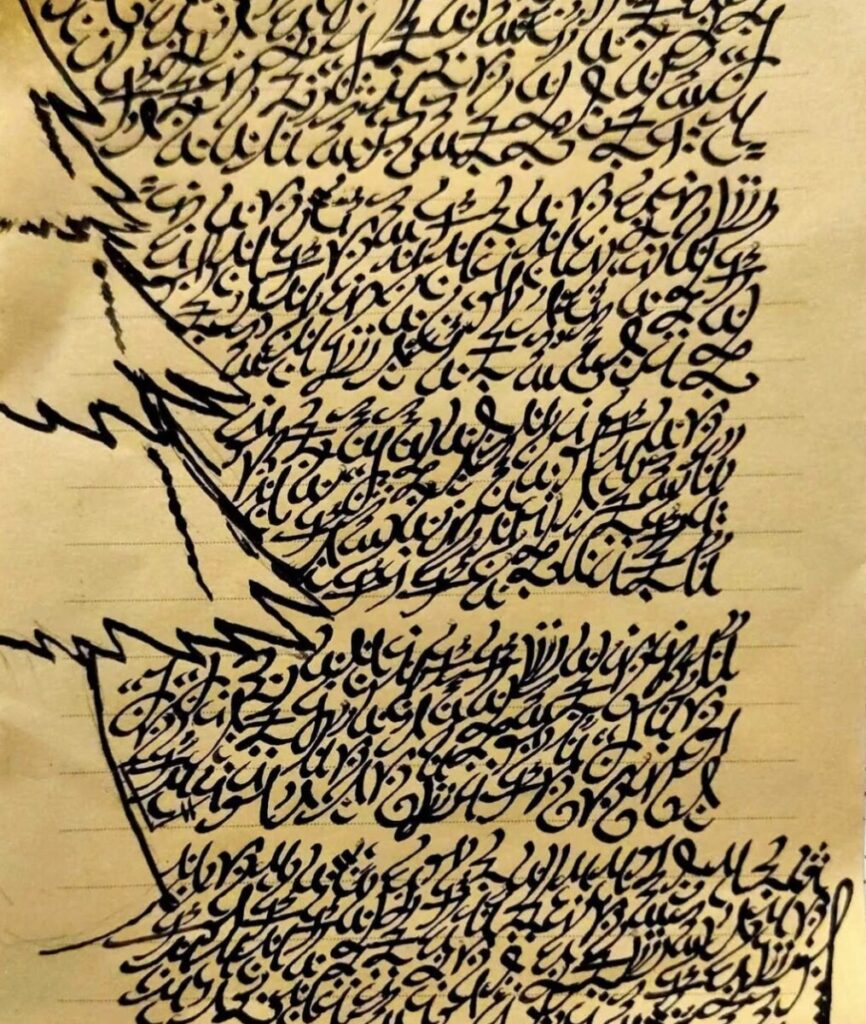
    This is a short Drafision poem written in Qeuramantien by Tom Zhang made in 2024 (poetry originally created on September 23rd, 2023). Tom created the Qeuramantien script in elementry school to encode his diaries, then from the script the Drafision language of his own was developed in 2019. The conlang was later used by Tom in his worldbuilding as the language of the Drafis people (Drafisrakus) (hence the name Drafision). Qeuramantien is the old & holy script for the Drafisrakus while the simplified and common script is the Kuznatien as shown in the last line.

  • A Trilogy of Poems: Being Women, Asian, Immigrant

    A Trilogy of Poems: Being Women, Asian, Immigrant

    By Stephanie He

    Stephanie will graduate from Emory College of Arts and Sciences and Goizueta School of Business in 2027. She is double majoring in Business Administration – Film and Media Management and Creative Writing. She is a dancer and a poet.

    yellow skin, words

    I never understood how our same 

    rice-colored skin, ebonied hair, the same

    language learned from our mother’s mother’s mother

    can still hold prejudice

    so fluid it flows in the blood

    your smirk and armpit stains glare

    heat like the sun my eyes look at the gum stuck in your teeth

    your daughter, you drawl and I know

    jagged embarrassment from two worlds.

    how can someone Chinese be so bad at 

    Chinese, which I say in broken sentences

    mixed with another language my parents barely know/

    i am an ugly, white, bespeckled fish in a pond of red

    my teeth don’t listen

    they twist my intentions when I am brought to 

    a pond of rainbow—and I try to fit in but

    colorless is what I am born to be

    fighting your expressive jargon with my caged mellow 

    the words I say come out wrong

    -ly interpreted

    because how can someone, yellow like my skin, 

    not need help—kind, razor-sharp words they

    rake my skin of the freedom to end my own sentences.

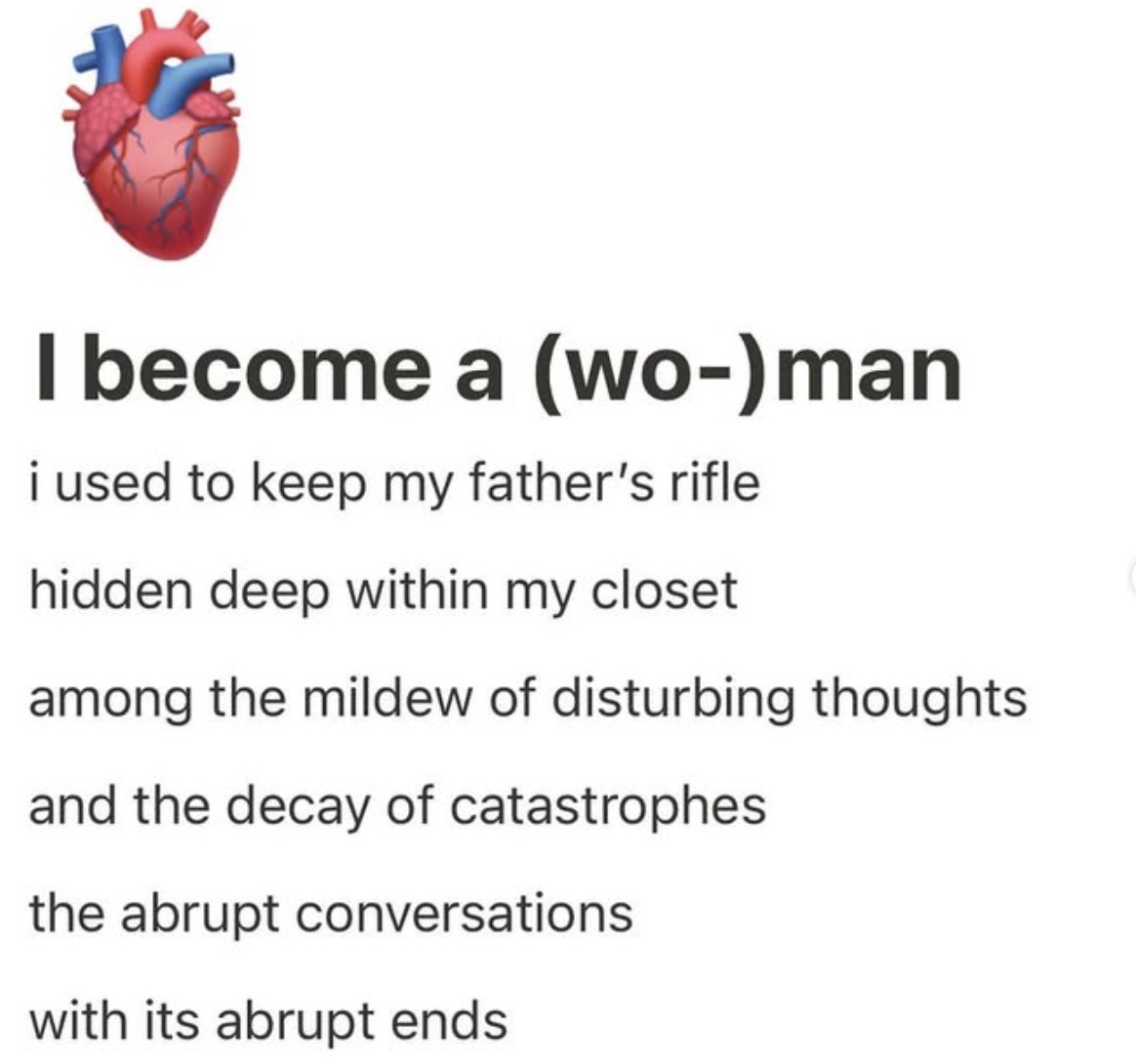
    I become a (wo-)man

    i used to keep my father’s rifle 

    hidden deep within my closet

    among the mildew of disturbing thoughts 

    and the decay of catastrophes

    the abrupt conversations 

    with its abrupt ends

    i remember how i killed my mother; dragged and

    drowned her in the waterfall’s rivulets

    of her Naivete

    a baby bird: You bought it for her when she asked

    silver vines circling intricate bars

    an angel: head bejeweled

    red like the blood that blossomed

    when rust hits flesh

    when i fire the Shot

    you didn’t clip its wings

    why, i say, and You smile

    the kind of zookeeper smile i learn 

    when it manages an escape, it will learn to still come back, you reply

    nodding, but not accepting is all I know

    but soon, orders come out of my mouth

    like bullets

    i am becoming my father. A man—!

    my voice boasts of my strength

    and my stride is prouder than any woman – —!

    “shut the lights.”

    i dream about bells and windchimes

    my coffin as it’s lowered

    hammering my body six feet below

    here lies baby xxx

    i teeter down the dark streets

    and grow in twilight

    the scent of rosemary and thyme floats

    like a leaf in the laps

    cake baking in the oven

    it smells Squeak-y clean—when suddenly

    a silhouette grazes my vision

    and then i’m running to catch a ghost

    the bags of guilt patched from her quilt weighs me down

    like a thousand feathers

    i struggle against her bent warmth; so suffocating—!

    the rifle is in my hands again

    i walk back to the dark dry soil and sit

    leaning on my tombstone

    it’s bone-shatteringly cold

    but I think it’s best if I left

    so, I lower myself below the world I know—

    wild Mornings!

    wild Mournings—

    i spend with my head

    the wooden thought of life like

    caked shoes and candles

    when I dance naked in the Rain—

    no umbrella of hers over my head;

    freedom. freedom?

    tell me when I will sleep

    —the bird gives but a chirp

    the Alarm screams

    Homesickness

    Home

    sick of your endless torrent of words

    Brushing against my scalp stinging

    Like anesthesia protecting me from your

    Outside world where i am too afraid to

    Venture because of the shelter that is

    Home

    Sick of days being nights black white gray

    My world is out of focus warped blurred

    take my hand and spin me around in your 

    love Like a carnival ride I don’t ever want to 

    leave the excitement that comes from the 

    Expense of security, solace in the bricks of

    Home

    sick of how the words hatred and love are tossed around 

    I am unaccustomed to such verbal confrontation so i glitch and say the same

    Raked raw words back and watch

    knowing i may be hurting you over again

    or we could both be playing the victim in our 

    Make-belief 

    Home

    Sick of how you try to find things to do with your hands they shake

    As they move to clean the table

    Make the food because that’s how you’ve always

    Shown you cared/rough and sudden

    Your actions and your words they peel me apart again but i think i am happy not

    Home

    Sick of the tears despite all that we’ve been 

    through arguments screaming thrashing

    They still yearn of your embrace 

    That crushing of your fingers that squeeze

    My ribcage against yours and i notice

    How you’ve grown small and powerless

    Caged and anxious

    i am momentarily surprised because

    You seem like you’re

    Clinging to me like i’m your

    Home/