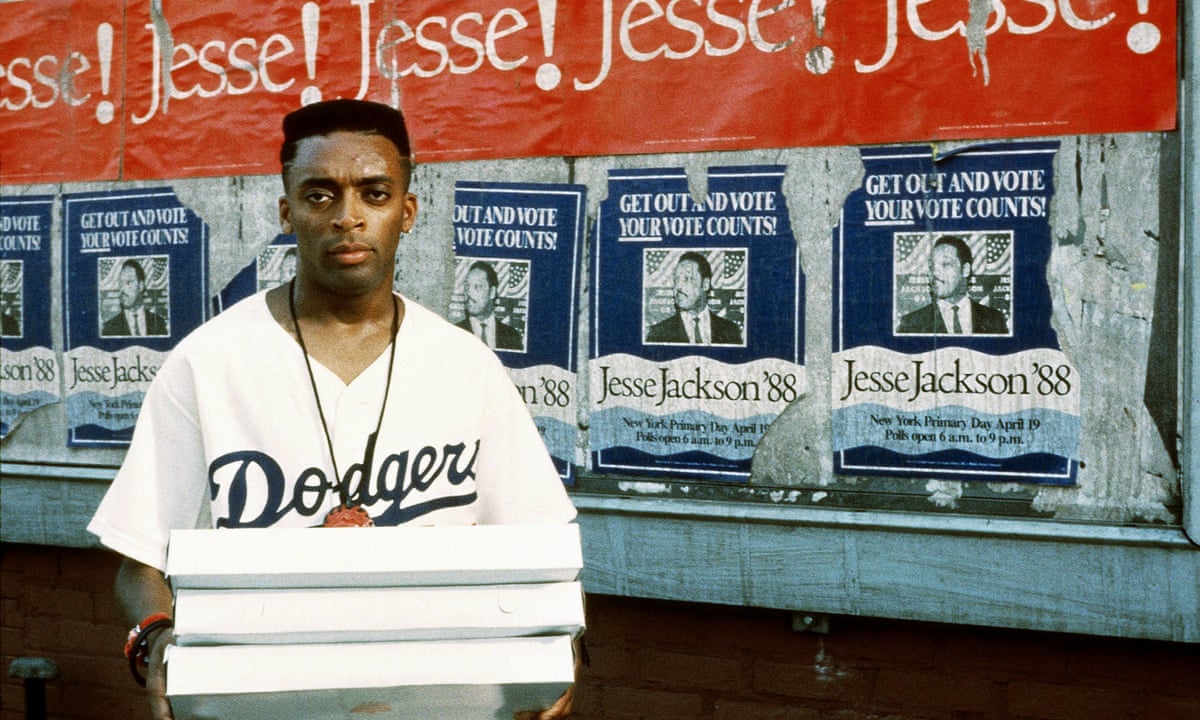
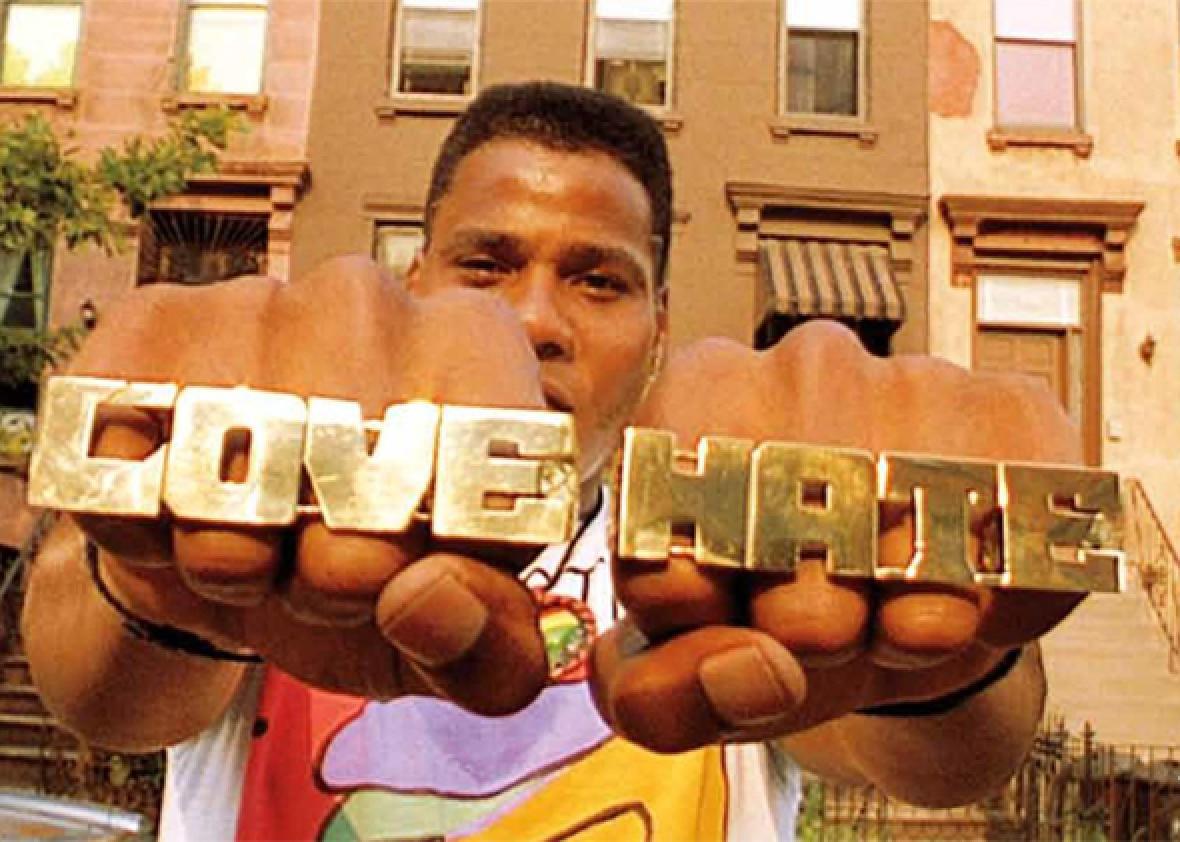
While watching Do the Right Thing, I could not stop thinking about 2020 because the film feels uncannily ahead of its time. So, for my search post, I knew I wanted to find articles from 2020 that referenced this film. While reading articles, I looked at a 2020 New York Times article about the film’s continued relevance. What makes this article so interesting for me is that it argues the film still feels urgent because the issues it depicts have not been resolved decades later. Rather than feeling outdated, the film reflects patterns that continue to repeat themselves.

2020 riots in LA

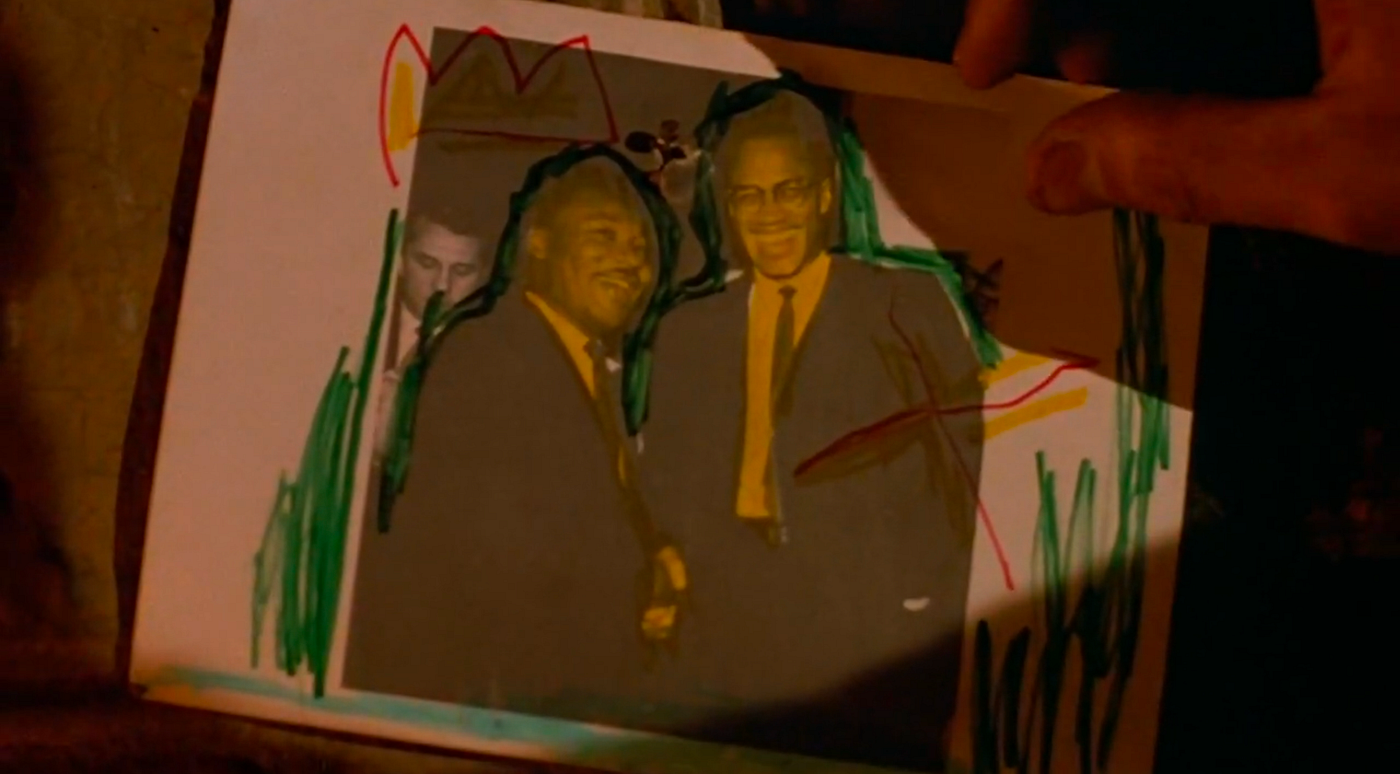
This idea connects directly to the film’s ending, which presents two conflicting quotes: one from MLK condemning violence as immoral and destructive, and one from Malcom X defending violence as a form of self-defense. Instead of giving the audience a clear answer, Spike Lee places these perspectives side by side, making us sit with the ambiguity of what the “right thing” actually is. Personally, I found myself aligning more with King’s perspective, especially when thinking about the destruction of Sal’s pizzeria. To me, it was a family business that served the neighborhood for years, and its destruction felt unjustified, even in the context of the anger that followed Radio Raheem’s death.

However, what the film and article pushed me to consider is how my attention shifted towards the destruction of property rather than the killing that caused it. This is where I think the film becomes especially powerful. I still do not agree with the riot in this context, because the destruction of Sal’s restaurant gives people a way to redirect their attention from Radio Raheem’s unjust killing to the violence of the crowd. Instead of focusing on why the anger erupted, the blame can be shifted onto the crowd. Spike Lee seems aware of this danger, which is why the ending feels so open-ended.
This tension becomes even clearer in the final interaction between Mookie and Sal. Earlier in the film, Sal tells Mookie, “You’re like a son to me,” showing their relationship is beyond work. But the next morning, their interaction revolves almost entirely around money. Mookie returns to the pizzeria after the riot and asks Sal for the $250 he believes he is owed. Sal responds by giving him $500, and when Mookie tries to return part of it, the money falls to the ground, but Mookie eventually picks it up. What makes this moment so powerful is how it reduces a relationship that once established as personal to a financial exchange. After Radio Raheem’s death and the destruction of the store, there is no real emotional resolution, only a tense negotiation over what is owed.

Their last exchange is what made me choose this article. It helped me see that this film is not just ahead of its time because it depicts racial violence, but because it understands how people respond to violence. Even after the tragic death, the conversation quickly turns to payment, property, and blame. The crumpled money on the ground symbolized that shift. What should be a moment centered around grief becomes one about economics. I think that is part of why this film is so moving. It does not give the viewers a “black and white” choice. I may disagree with the destruction of Sal’s Pizzaeria, but the article forced me to ask why I instinctively focused on the burned building instead of the man. With that perspective, Spike Lee is not only asking what the “right thing” is. He is also asking what our reactions and moral subconscious reveal about us. I typically like to end my blog with a question, and one seemed particularly prevalent while I was writing this.

**If our first instinct is to focus on the destruction of property rather than the loss of life, does that reveal that society still values order and ownership more than justice?**