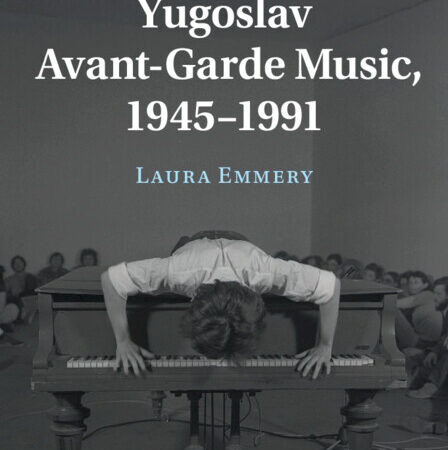
Yugoslav Avant-Garde Music, 1945–1991 by Laura Emmery Laura Emmery is Associate Professor of Music Theory at Emory University. Informed by fascinating interviews, photographs, and previously unexamined archival materials, this book reveals a compelling story of Yugoslav avant-garde and experimental music from 1945 until 1991, ending with the year when all artistic activities came to a sudden […]
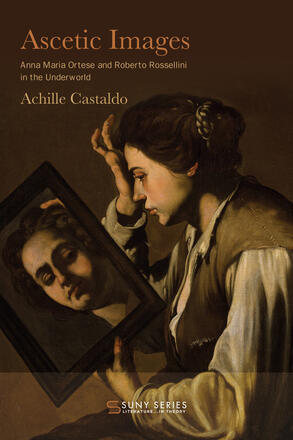
Ascetic Images: Anna Maria Ortese and Roberto Rossellini in the Underworld by Achille Castaldo Achille Castaldo is an Assistant Professor of Italian Studies in the Department of French and Italian at Emory University. Examines the narrative articulation of social invisibility in works by two of the most influential Italian cultural producers of the twentieth century. The […]
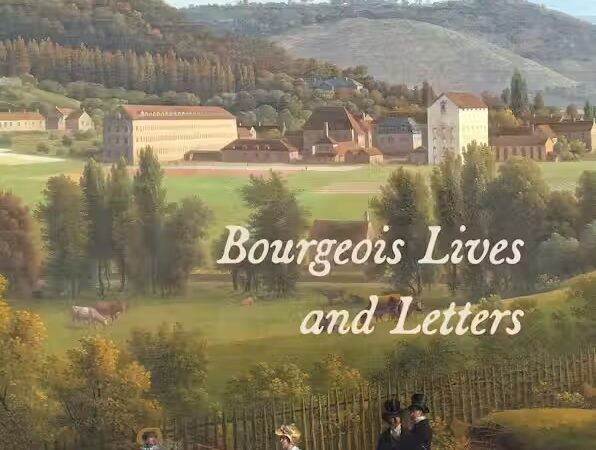
Surviving Revolution Bourgeois Lives and Letters by Denise Davidson Denise Davidson is a Professor of History and Humanities Research Center Director at Georgia State University. Surviving Revolution explores how two wealthy and well-connected families with roots in Lyon responded to the French Revolution and the resulting transformations. In building a new political system based on liberty, equality, and fraternity, […]

Sin miedo a las ruinas: Anarquismo, vanguardias artísticas y la crisis de representación en España (1930-1937) Luis González Barrios Luis González Barrios es Profesor Asociado de Lengua y Literatura Hispana en Spelman College. Al hablar de “vanguardias artísticas”, o “vanguardias históricas”, no es extraño el empleo del adjetivo calificativo “anárquico” que, a veces ambiguamente, alude […]

Karel van Mander and his Foundation of the Noble, Free Art of Painting by Walter S. Melion Walter S. Melion is the Asa Griggs Professor of Art History. Written by the poet-painter Karel van Mander, who finished it in June 1603, the Grondt der edel, vry schilderconst (Foundation of the Noble, Free Art of Painting) was the […]

Spatial Revolution by Christina E. Crawford Christina E. Crawford is Assistant Professor of Modern and Contemporary Architecture in the Art History Department. Spatial Revolution is the first comparative parallel study of Soviet architecture and planning to create a narrative arc across a vast geography. The narrative binds together three critical industrial-residential projects in Baku, Magnitogorsk, and Kharkiv, […]
Recent Comments