Last night, I went to the Cinematheque presentation of Jaws (Spielberg 1975). It was quite the experience, and I’m very fortunate that I was able to view it on the big screen. Jaws is a horror movie directed by Steven Spielberg. The story centers around the Chief of Police, Brody, as he attempts to find and destroy a Great White shark threatening the lives of the people on Amity Island. Throughout the film, lighting, sound, and editing work together to amp up the fear factor by creating deep contrast between scenes.
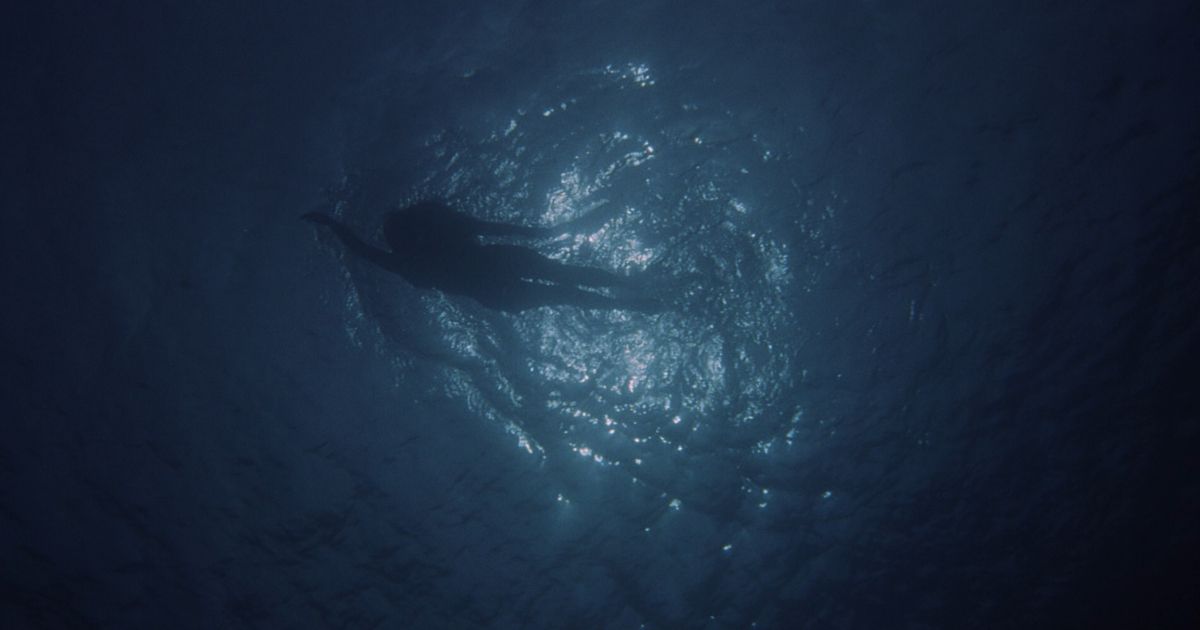
The shots of the people on the beach use high key lighting, bright colors, and a cacophony of noise. In contrast, the POV shots of the shark moving underneath the water have a noticeable absence of sound, broken only by the “ba dum, ba dum, ba dum’ of John Williams’ score. The beach shots lull the viewer into a false sense of security. They let their guard down and relax. This established mood is what allows shark attack scenes to elicit a high level of fear. All of a sudden, the lighting is low key, the colors are dark blues, and the score grows ominous.

This feeling grows stronger as the film goes on. The latter half of Jaws is filled with tension because the viewers can feel the absence of the Amity Island inhabitants. The characters are left alone with the shark out at sea. All sense of safety is gone and there is nowhere to run.
Jaws was a hit summer blockbuster and won Oscars for Best Sound, Best Original Score, and Best Film Editing.
What makes a movie like Jaws hold up so well in the modern day?
Why do audiences like horror movies so much?
Leave a Reply