I watched The Pianist last weekend. What makes it different from other war movies isn’t just its subject — it’s how Roman Polanski uses stillness, sound, and point of view to make you feel trapped inside the experience instead of just watching it. This isn’t a movie about fighting or victory. It’s about surviving when there’s nothing left to fight with. And don’t forget, it is a 2002 film.
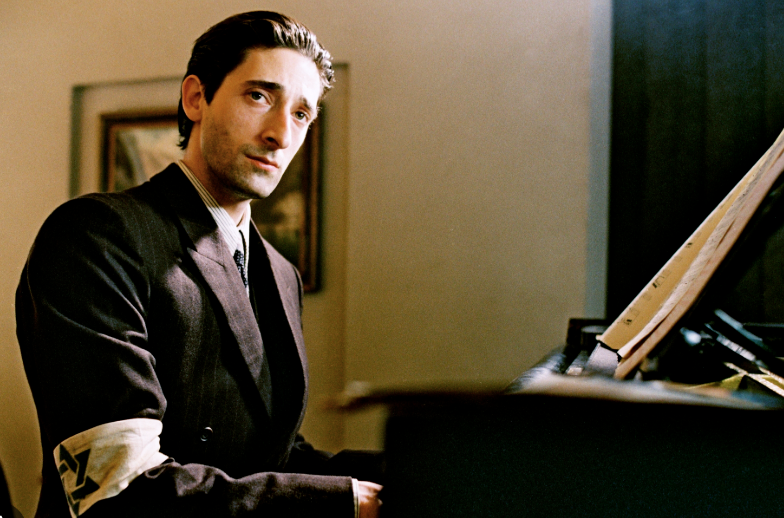
One of the techniques we talked about in class — the use of sound, or sometimes the lack of it — is what gives this film its emotional weight. For long stretches, there’s no music at all, which feels ironic for a movie about a pianist. The silence becomes unbearable, like it’s pressing down on you. You hear every footstep, every creak in the floorboards, every breath he takes when he’s hiding. When the piano finally does return, it doesn’t sound like a triumphant comeback. It sounds like a whisper of the person he used to be. Polanski manipulates diegetic and non-diegetic sound to show how music transforms from a source of joy to one of survival.
Below wee see Szpilman in the beginning of the war and when caught by the Nazi official and playing the Piano for him. Two different scenes, the same people tortured by
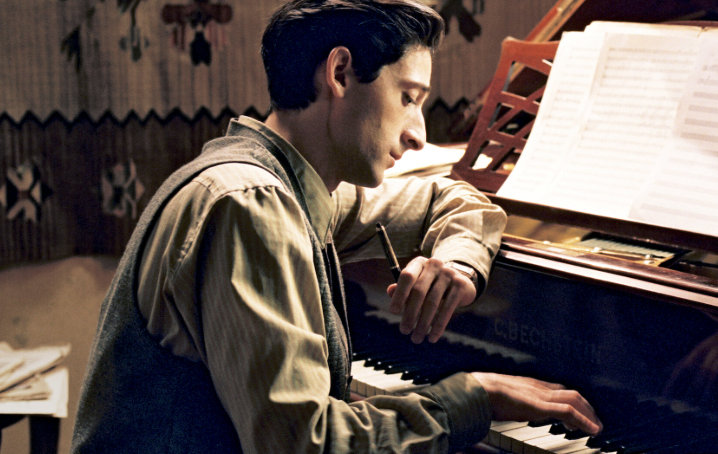

Another technique that stood out to me was Polanski’s use of camera perspective. We rarely see wide, establishing shots of the war; instead, the camera stays close to Szpilman, forcing us to see through his eyes. This first-person framing makes the destruction of Warsaw feel more intimate and claustrophobic — it’s not about the scale of tragedy, but about how it feels to live through it. There’s a particular scene when he’s watching from a window as people are beaten in the streets below. The camera doesn’t cut to close-ups of the violence. It just stays with him, silently watching. That restraint, that distance, actually makes the moment more horrifying.
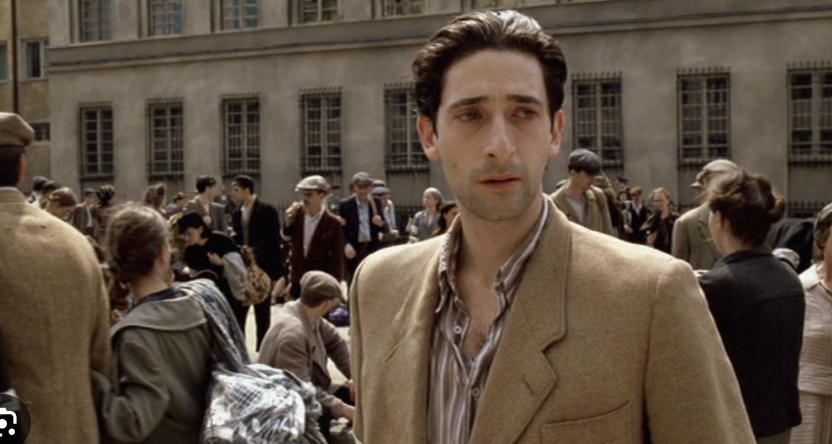
Lighting also plays a huge role in setting the tone. Early in the movie, the lighting is natural and warm, almost nostalgic. But as the war progresses, it shifts toward shadows and muted grays. By the end, everything feels drained — not just visually, but emotionally. The loss of color mirrors Szpilman’s loss of hope, and by the time he’s finally rescued, the lighting doesn’t shift back. It stays cold, like survival isn’t victory, just continuation.
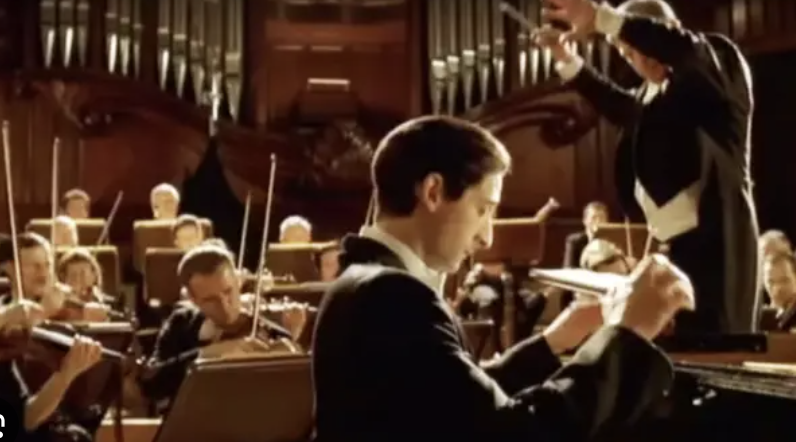

The Pianist isn’t an easy film to watch, but it’s essential. It uses the language of film — sound, perspective, and light — to tell a story that words alone couldn’t capture. It’s not just about what happened, but how it felt to live through it. And that’s what makes it worth watching.
Leave a Reply