While watching Paris Is Burning, I was fascinated by how the documentary uses its form to make a rhetorical argument about the illusions of “realness.” Through interviews, performances, and their everyday night life, Jennie Livingston doesn’t simply document ballroom culture, but she persuades the viewer to see how identity itself is constructed and performed. The documentary holds power in how it blurs the boundary between reality and illusion, showing that “realness” is both a performance within the ballroom and a mirror of society’s own ideals.
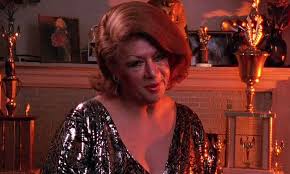
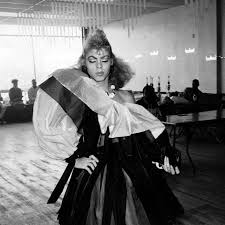
We see in the interviews when explaining realness that is paired with them also embodying it on the runway. Livingston’s use of personal testimonies, like Dorian Corey’s reflections on passing and illusion, becomes a subtle argument: that realness is not deception, but a survival strategy in a world that denies minorities and those of the queer community access to power and success that white cis males receive.
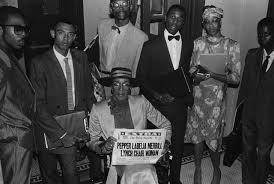
The camera’s observational gaze allows the audience to empathize with the performers rather than judge them. By immersing us in their language, music, rituals, routines, the documentary shows a form of “realness” that is its own kind of truth to the performers. As a way to reclaim agency when reality offers none. Livingston seems to ask us to reconsider what authenticity really means and who gets to define it.
Does Livingston’s portrayal of “realness” empower the ballroom community by revealing their creativity, or does it risk reinforcing the very ideals they’re imitating? What does the film suggest about how we all perform “realness” in our own lives?


Leave a Reply