Tonight marks the last Cinematheque of the year, with the cult classic Monty Python and the Holy Grail (Gilliam and Jones, 1975). I’ve only seen this movie once before, in 6th grade. On re-watch, I found lots of fun tidbits I did not get on the first watch. Every scene is filled with iconic bits, from “‘It’s just a flesh wound” to the Holy Hand Grenade.
The entire movie is very clever, even more so when you realize that the film was working on a tight budget of around 400K. Most of the gags and jokes in the film originated because the filmmakers did not have enough money. For example, the film ends the way it does because there was not room in the budget for an epic battle scene.
During the opening credits, the subtitle bit was created because they did not have the money for a fancy title card.
On second watch, I was able to appreciate the fast-talking dialogue and slightly more subtle jokes. Overall, I highly enjoyed the final movie of the Emory Cinematheque.
A few weeks ago, I came across an article talking about S.S. Rajamouli’s next big project: an animated feature film called Baahubali – The Eternal War. It’s slated to come out in 2027, and people are saying it will bring Indian animation to the next level.
After witnessing the absolute spectacle that was RRR (Rajamouli, 2022), I’m inclined to agree. Rajamouli’s special effects were a blast; it’s not everyday that I get to see a man punch a tiger with fire. I’m curious how much of the action was real and how much of it was computer generated. Several animation studios are working with Rajamouli, including Alcyde Studio, which has worked on Arcane in the past. The animation in the teaser trailer looks incredible, and I’m confident in the production quality for this project.
The animation is expected to be on par with, if not surpassing, the animation in Arcane and Spiderman Into the Spiderverse. As a fan of both titles, I’m excited to see Baahubali raise the bar for animation through the roof. If this movie gets a theatrical release, I will definitely be going.
Do the Right Thing (Spike Lee, 1988) garnered critical acclaim and received an Academy Award nomination for Best Original Screenplay. As such, I was curious about the director behind such a celebrated movie. It was brought up in class that he made commercials for the Air Jordans before he made Do the Right Thing, so I found one of them, titled “It’s Gotta Be the Shoes”.
This Nike Commercial (1991) stars Michael Jordan and Spike Lee as Mars Blackmon, a character from another of his movies She’s Gotta Have It (1986). In it, Mars asks MJ what makes him the best player in the universe, eventually concluding, “It’s gotta be the shoes!” It’s a question of why Spike Lee, a director primarily concerned with critiquing cultural ideology, made these types of commercials in the first place. Was it money? Exposure? Whatever the reason, Spike Lee’s commercials were credited as the main reason Nike and Air Jordans became so popular, with millions of dollars in shoe sales. One such article tells a fun anecdote about Lee’s time working with MJ: https://www.basketballnetwork.net/off-the-court/when-michael-jordan-called-spike-lee-an-mfer-in-1988
Spike Lee founded a production company called 40 Acres and a Mule, and is still active in the film industry today. He has made several documentaries and a TV show called She’s Gotta Have It (2017-2018) based off of his earlier movie of the same name. He also taught a filmmaking course at Harvard in 1991, later joining NYU/Tisch as part of their faculty in 1993. He was appointed as Artistic Director in 2002, and still works there today a tenured professor in the graduate film program.
Tonight, I went to an advance screening of Eternity (David Freyne, 2025) at Regal Cinemas. I want to thank Kate for giving me the opportunity to experience this movie in theaters before its official release on November 26th.
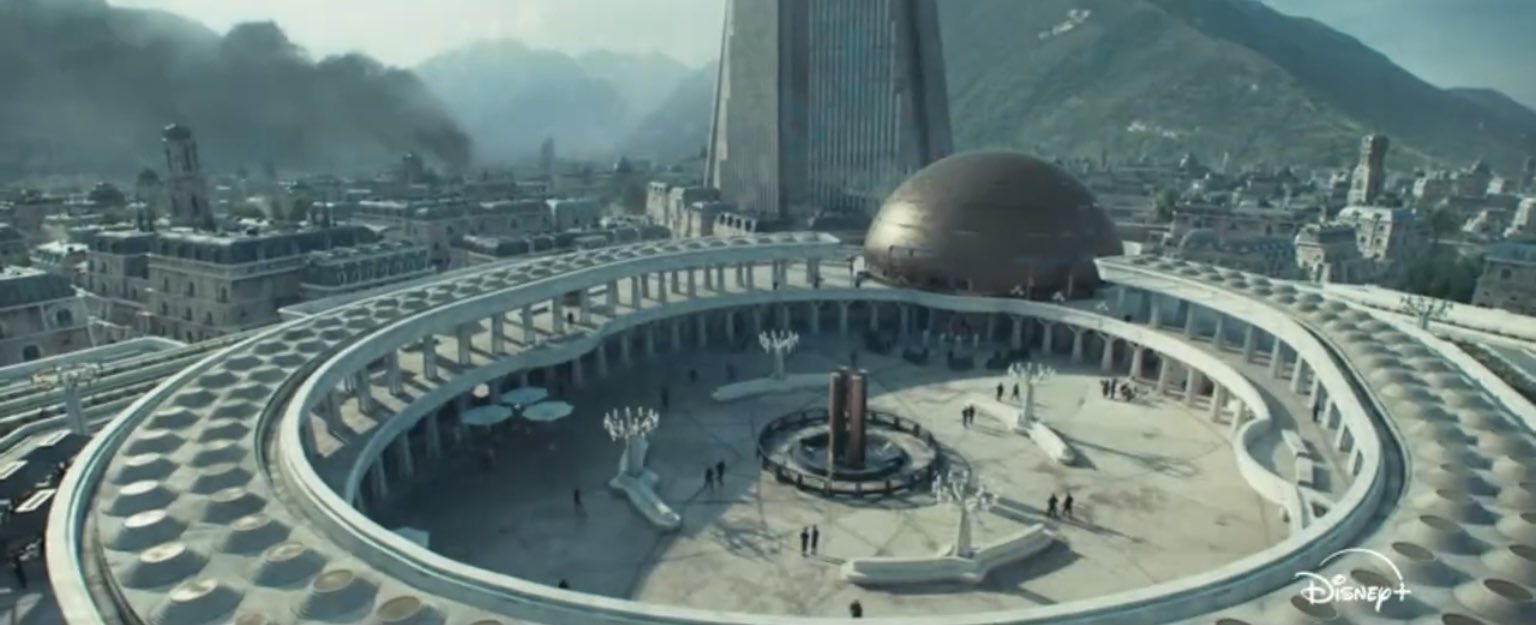
Eternity follows a woman named Joan who dies and must decide who to spend her afterlife with, her first husband, Luke, or her second husband, Larry. The movie balances comedy with a touching emotional center, and the set design of the afterlife world is well done. While the film struggles to settle on a clear distinct message, the plot is still better than many of the other A24 films I’ve seen this year. This is one of those movies you feel because if you start to think about it logically, it kind of falls apart. The acting is well done, and both Elizabeth Olsen and Miles Teller play their parts beautifully.
I definitely recommend this movie to anyone interested in romcoms or dramas. It’s a fun, whimsical time that will have you feeling the feels!
Last night, I sat down to watch Little Women (Greta Gerwig, 2019) with very high expectations. It’s many peoples’ favorite movie, and now I understand why. Little Women follows the lives of the March sisters as they navigate what it means to be a woman in 19th century America.
One of the main themes in Little Women is that women are complex and their different priorities do not make them less of a woman. Jo wants to be a successful writer, Amy chases the life of an artist, and Meg dreams of living a life of luxury and riches. Each sister also has different views on love. Meg gives up the chance to marry rich for the man she loves, while Jo refuses to compromise her dreams for any man and believes she will never fall in love. Meanwhile, Amy originally views marriage as an economical transaction.
Willi Ninga dreams of being a famous dancerJo March wants to be a successful writer
I thought back to these ideas during our discussion today about Paris is Burning (Jennie Livingston, 1990). While in a different context, Little Women explores similar themes of wish fulfillment and dreaming of an unattainable life due to societal barriers. Both groups of people dream of fame, recognition, or riches. While the Harlem ball communities have an outlet to be whoever they want to be for a bit, the March sisters each end up having to compromise some of their values or dreams. This doesn’t make them any less of a woman, and they don’t need to be subservient to the societal expectations they face. Ultimately, both groups are looking to realize their dreams while remaining true to themselves.
When Andor (Tony Gilroy, 2022 – 2025) first came out, I dismissed it as another run-of-the-mill Star Wars show and didn’t touch it. It was only after some convincing that I picked up the show. Once I started watching, I binged the two seasons and capped it off with Rogue One (Gareth Edwards, 2016) as the thrilling finale. I promise that no review I write is going to do Andor justice; this is just a shameless plug for the show. Rogue One was also good, but the subject matter of Andor is quite relevant to current events and offers powerful commentary on our political climate.
The events of Andor are set five years before the events of Rogue One. The show follows one of the side characters from Rogue One, Cassian Andor, and reveals how he became part of the Rebellion. No prior knowledge of the Star Wars universe is needed to watch it, which works to the story’s benefit and allows the general audience to connect and engage with the characters and world.
On a technical level, both seasons of Andor are beautifully done, with the framing, costuming, and editing all working together to make the worlds come alive. The depth and worldbuilding of the different planets featured throughout the show is astonishing for how little screentime they get. All of the props, clothing, and makeup lend themselves to make the artifice of these fake planets a reality.
Documentary techniques were considered in multiple scenes of season two specifically (being vague to avoid spoilers but its episode 8). Janus Metz, a documentary filmmaker, directed that particular episode and relied on his own experience and other documentary films to inform the cinematography.
Season one of Andor is definitely a more fleshed out narrative, both in themes and character development. It offers up a tumultuous political thriller in a sci- fi world with minimal space wizard magic. The dialogue is amazing and character-driven story is masterfully done. Plot doesn’t matter so much as Andor’s moral journey from an indifferent bystander to someone who has found their life’s purpose.
Season two is a little more rushed, and the characters are a little under-utilized because the creators wanted to make more seasons. As a result, every three episodes chronicle a year in the Star Wars universe leading up to the events of Rogue One. Season two has a more involved plot and a more ambitious agenda, but continues to be extremely well done with impactful moments and some incredible monologues. The show ends right at the beginning of the events of Rogue One.
Rogue One was also a good watch, but the writing was not a good. The score, however, was phenomenal and the final climax was a spectacle to watch. Both Andor and Rogue One do such a good job of fleshing out the Star Wars universe and create striking parallels to reality. If you haven’t already, I highly recommend watching Andor and Rogue One.
This week, we read about three different types of films: documentaries, experimental films, and animated films. All of them differ from narrative film in some way.
Documentary films claim to present factual information about the world. They have their own genres and often mix them to create a collage of records centered around a specific subject matter.
Experimental films, on the other hand, are created to express a unique viewpoint or experience, convey a mood, show a physical quality, or explore possibilities of the medium. Narrative form tells a story with expressionistic features, but the two main forms of experimental films are abstract form and associational form. Abstract form emphasizes pictorial qualities such as shape, color, or texture. You can think of abstract form as art in the medium of film. Associational form suggests ideas and emotions to the viewer by assembling images and sounds that may not have any logical connection. You can think of associational form as poetry in the medium of film. The juxtaposition of images creates linkages that the viewer can interpret. One example of an experimental sequence in a film is from 28 Years Later, where war footage is intercut with the current scene.
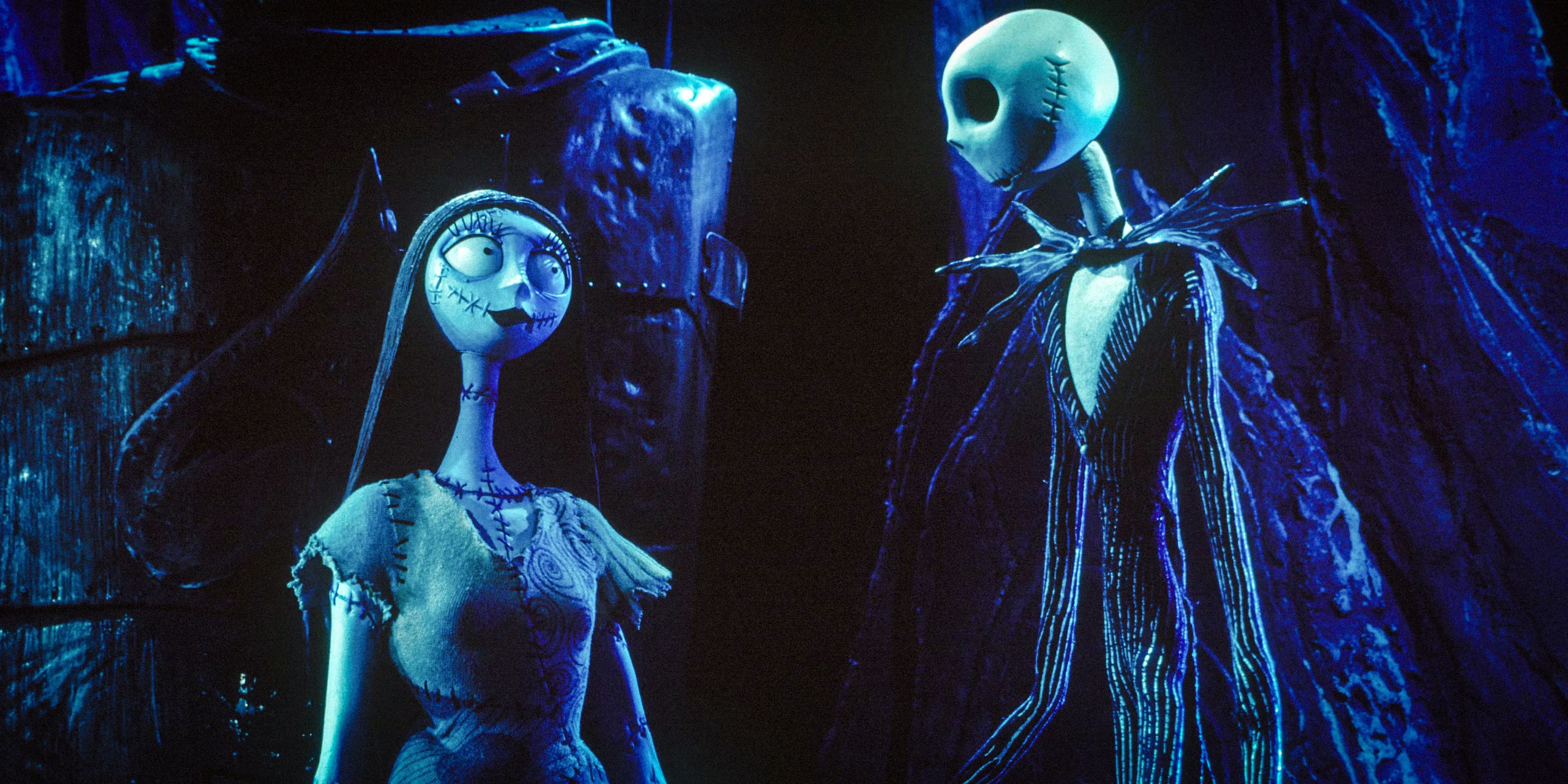
Animated films are a series of images that are shot one frame at a time. They encompass a wide range of genres and types of films. You might see a narrative, documentary, or experimental animated film. Older animation techniques involved celluloid (or cels for short), layered animated drawings that created an illusion of movement. Other animation styles include cutouts, clay animation, or model/puppet animation. I recently watched A Nightmare Before Christmas (Henry Selick 1993), which was created in the puppet style of animation as a stop-motion musical.
In a lengthy process of two years, the animators had to pose the puppets for each frame of the movie. That added up to roughly 110,000 frames. In addition, the creative team built all of the sets and props from scratch, while Danny Elfman wrote all of the songs and was the singing voice for Jack Skellington. The result is a movie with a unique visual and musical identity that remains a beloved family film to this day.
Another studio that is famous for puppet animation is Studio Laika. Coraline, Kubo and the Two Strings, and ParaNorman are some of the movies they have made. Their upcoming feature, Wildwood, released a first look documentary a few days ago.
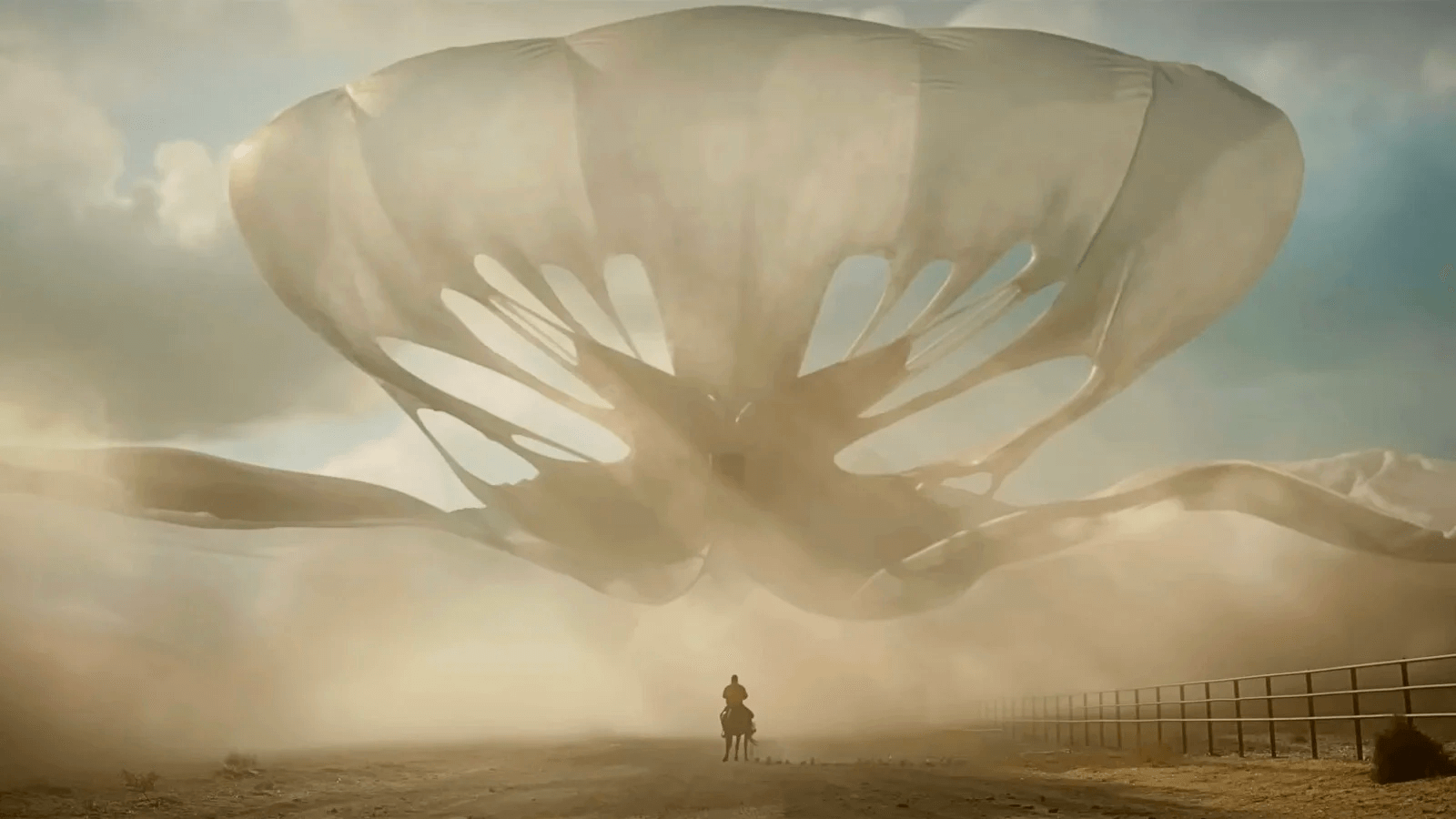
Nope(Jordan Peele, 2022) is a movie that has been on my watchlist since it came out. Many people have told me it’s one of their favorite movies, and I get it now. This is a film that is very good as creating feelings of tension with genuinely good jump scares, truly spine-chilling suspense, and beautifully disturbing imagery.
In Nope, there are so many of the tropes we’ve come to know from horror. Danger at a house, a fake out scene, the final girl, and jump scares are just some examples of such cliches. The conventions drive our expectations as viewers and present some familiarity to grasp onto. It’s the subject content of the horror, however, that really draws out those feelings of dread. Peele doesn’t rely on cheap scares; he draws out the suspense and lets the audience stew in the disturbing events onscreen. The scene of Gordy’s Birthday Massacre and the Raining Blood scene leave particularly strong impressions, mainly due to the copious amount of onscreen blood. This contrasts with the rest of the film, which has almost no gore at all.
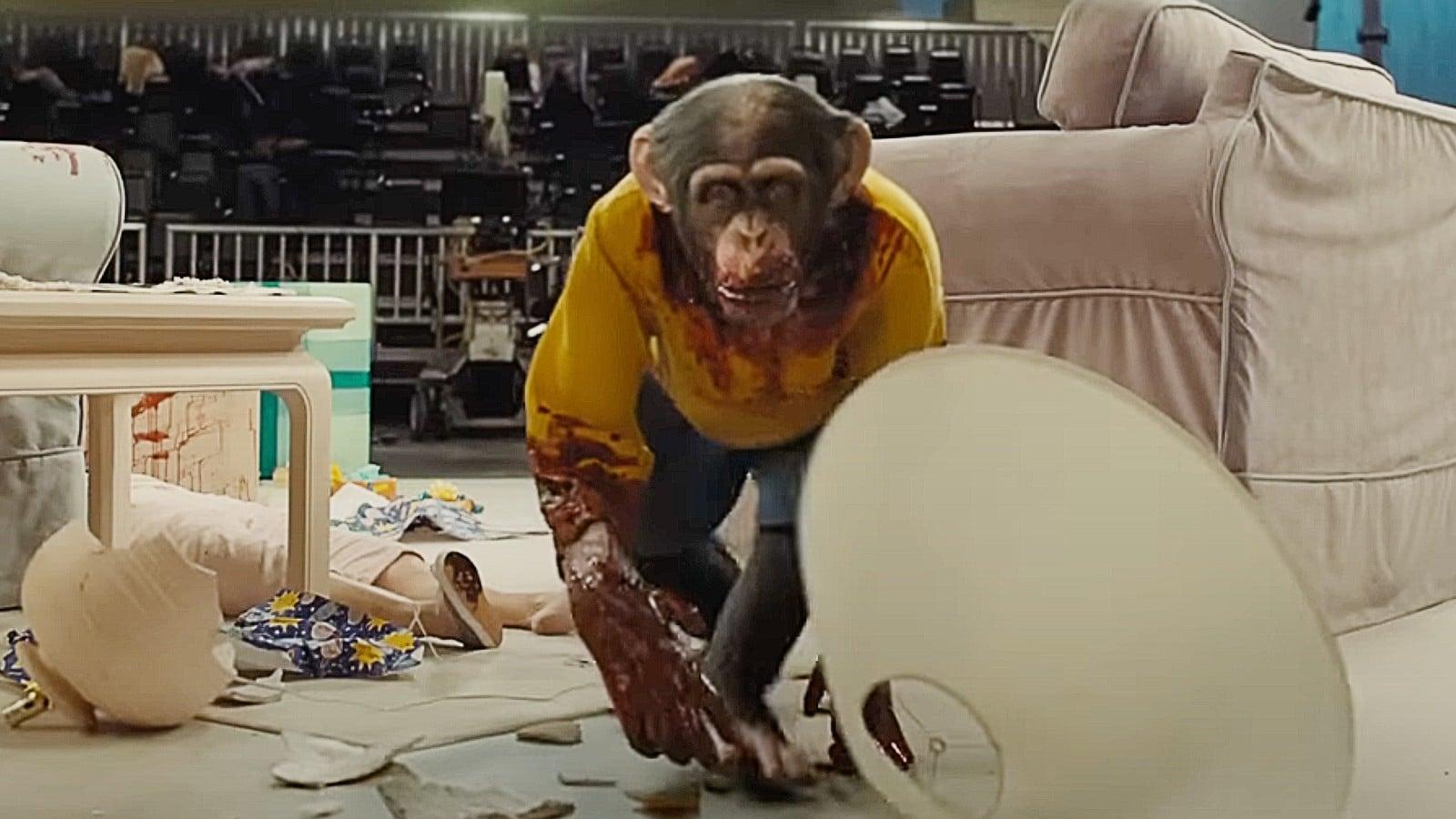
The relatively slow cutting allows the audience to slowly take in the scene, as the realization of what is actually happening hits. Furthermore, the long takes and sound design work together to keep the audience in a suspended state of tension. During Gordy’s Birthday Massacre, it was truly terrifying to watch the ape, blood on its face and hands, kill the people on set in such an animalistic way. No emotion, no remorse. Just violence. The fact that we saw the slaughter through the eyes of a young Ricky Park just added to the fear factor. To top it off, the gunshot at the end of the scene was so jarring it actually jolted me out of my seat. I’ll mark the experience down as another success of the horror genre.
I can’t just lump it in with all of the other horror movies I’ve seen though. While Nope hits all of the beats of the horror genre, it also shows elements of westerns and sci fi. The warm color tones and California ranch setting are reminiscent of the western genre, and the conspiracy theories and extraterrestrial presence bring the monstrous energy of something otherworldly to the film. Rather than a scary climax, the final confrontation with the alien gives the invokes the essence of the classic western showdown. Tense, yes, but not horrific. There’s a commentary about the lengths people will go to create a spectacle and the dangers of tampering with the unknown.
I wonder if the context in which Nope was made gives it a deeper or different meaning? What is the significance of seeing Gordy’s story?
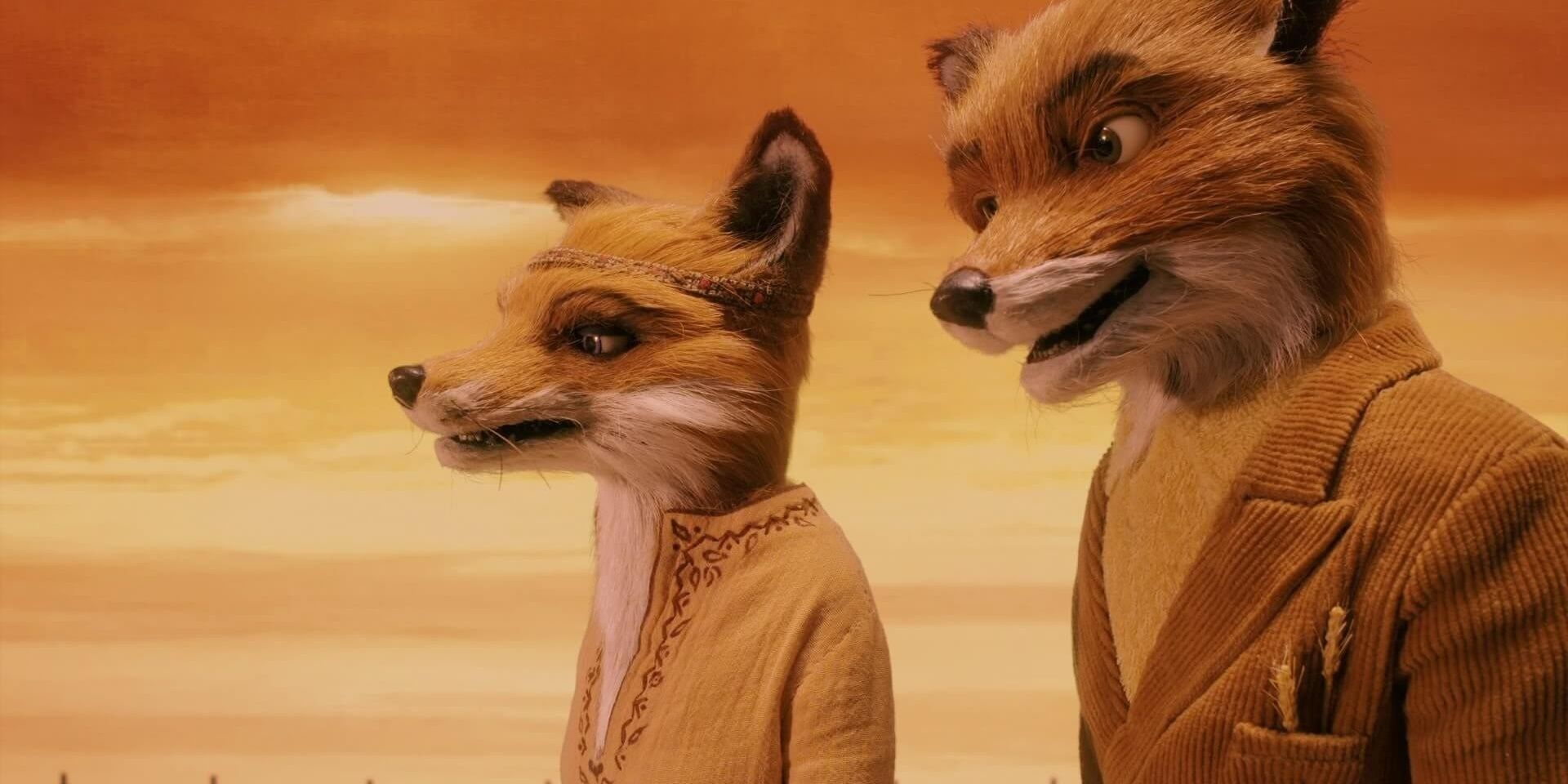
This weekend, I sat down and finally watched Fantastic Mr. Fox (Wes Anderson 2009). This marks the second Wes Anderson film I have ever seen, and I must say, it was a delight to watch. As I sat through the film, it was impossible to ignore the causal role the characters played throughout the film.
The plot is centered around Mr. Fox, a charismatic fellow who conspires to steal chickens and cider from the three mean farmers Boggis, Bunce, and Bean. This course of action directly goes against the promise Mr. Fox made to his wife, that he would never steal chickens again and find a new occupation.
Robbing Boggis, Bunce, and Bean has consequences. In response to Mr. Fox’s thefts, the farmers go to his home and try to kill him, shooting off his tail and blowing up his house. Mr. Fox’s choices backfire on him. His lavish life is short-lived, and his family is forced back underground. Rather than call it quits, however, Mr. Fox decides to escalate the situation and steal everything from the farmers. The rest of the movie is spent dealing with the fallout of Mr. Fox’s thefts.
Fantastic Mr. Fox has an interesting way of showing the audience the passage of time. Usually, there will be a title card with text displaying how much time has passed. The way time is counted, however, varies. Sometimes, the time is displayed in normal hours or days, other times, in a special passage of time the movies calls “fox time”. These differences in the way the passage of time is shown convey the animals’ perception of time and contrast with the humans’ perception of time. It’s a gentle reminder that no matter how anthropomorphic the animals seem, they are not human.
The idea that their true nature is that of a wild animal and that they can’t escape their natures is an overall theme woven into the action. We see this struggle particularly in Mr. Fox. He always wants more out of life, the desire to not live underground, the desire to steal chickens. His internal desires drive the story, and his actions affect his relationships. When his son barely escapes the farmers when trying to steal back his tail, Mr. Fox realizes his child is emulating him to try to gain his approval at the cost of his own safety. In some ways, Fantastic Mr. Fox is about selflessness vs. selfishness, putting the needs of others before yourself or giving into your desires. Mr. Fox’s choices connect the events of the film and create continuity by giving a clear line of cause and effect in the action and the narrative of the story.
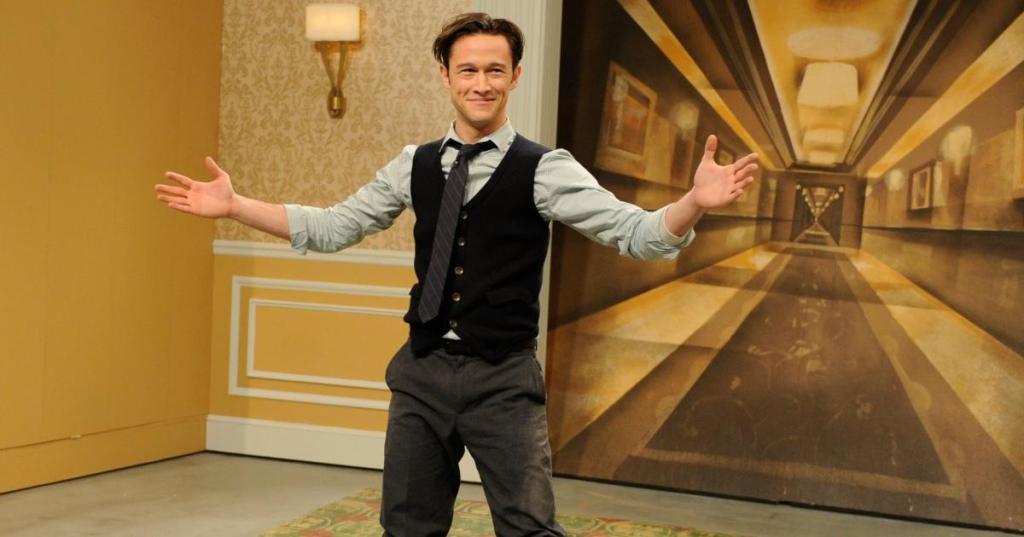
While watching Singin’ in the Rain (Gene Kelley 1957), I was reminded of Joseph Gordon-Levitt’s highly enjoyable rendition of Make Em’ Laugh on SNL in 2009. Unfortunately, the performance has never been rebroadcast because SNL never got the rights to the song. Watch a clip on Instagram here.
As I went back watch the clip, I was stuck by how much people love musicals and dance numbers. According to the article I found about Joseph Gordon-Levitt’s performance, Daniel S. Levine (the author) states, “Rather than a traditional monologue, Gordon-Levitt used his SNL debut to perform “Make ‘Em Laugh” live” (Levine 2023). Many professionals in the industry seem to greatly enjoy musicals as evidenced by this performance. It’s interesting that SNL never got the rights to the song because Singin’ in the Rain is known as a jukebox musical.
Joseph Gordon-Levitt is an actor known for portraying the character Tom opposite Zoey Deschanel in the movie 500 Days of Summer. He also does a dance number in that movie, and he worked with the same choreographer, Michael Rooney, for the SNL performance. I love seeing Hollywood celebrate movie classics and the whimsy of cinema.