Author: Mary Frances Miller

  • Chapter 6: Editing and its Relevance to Friendship (2024)

    Chapter 6 in Film Art: An Introduction discusses editing and how the relationship between shots controls the timing and impact of the action. There are 4 dimensions of film editing: graphic relations, rhythmic relations, spatial relations, and temporal relations.

    Shots can be linked via a graphic match, which entails linking shots with similar shapes, color, composition, or movement. Graphic discontinuities can be used to create contrast between shots.

    The patterning of shot lengths gives the film its rhythm. Flash frames accent certain actions in a shot, giving weight to that specific action.

    Editing can show where characters and objects are in a certain space. The Kuleshov effect, also called constructive editing, cuts together portions of space in a way that implies different emotions depending on what is shown. Another way to show space is analytical editing, which breaks an establishing shot into closer shots.

    Editing can control the timing of an action, thus creating an order of events that affect the story, known as chronology. Flashbacks give a glimpse into the past, while flashforwards reveal future events before switching back to the present.

    I recently watched Friendship (Andrew DeYoung, 2024), a black comedy about the male friendship between Craig, played by Tim Robinson, and Austin, played by Paul Rudd.

    While watching, I noticed that the film makes creative use of temporal relations. In the Toad Trip scene, elliptical editing was used to show an action quicker than it would take in real life.

    Craig lies down on the ground to get ready for his trip. We cut to a close up of the toad and we see Craig sit up and lick the toad. We then cut away to T-Boy, and when we cut back to Craig, we catch him at the tail end of lying back on the ground. Finally, we cut back to T-Boy, who has just finished putting the toad back in the carrier and closing the lid.

    In this scene, the actions are presented on screen quicker than they would take in real life. The actions of T-Boy are implied because they are nonessential to the scene. The 180 degree rule is also in play during this scene. The camera never crosses the axis of action, and the characters are in a shot/reverse shot sequence.

  • The Impact of Contrast in Jaws

    Last night, I went to the Cinematheque presentation of Jaws (Spielberg 1975). It was quite the experience, and I’m very fortunate that I was able to view it on the big screen. Jaws is a horror movie directed by Steven Spielberg. The story centers around the Chief of Police, Brody, as he attempts to find and destroy a Great White shark threatening the lives of the people on Amity Island. Throughout the film, lighting, sound, and editing work together to amp up the fear factor by creating deep contrast between scenes.

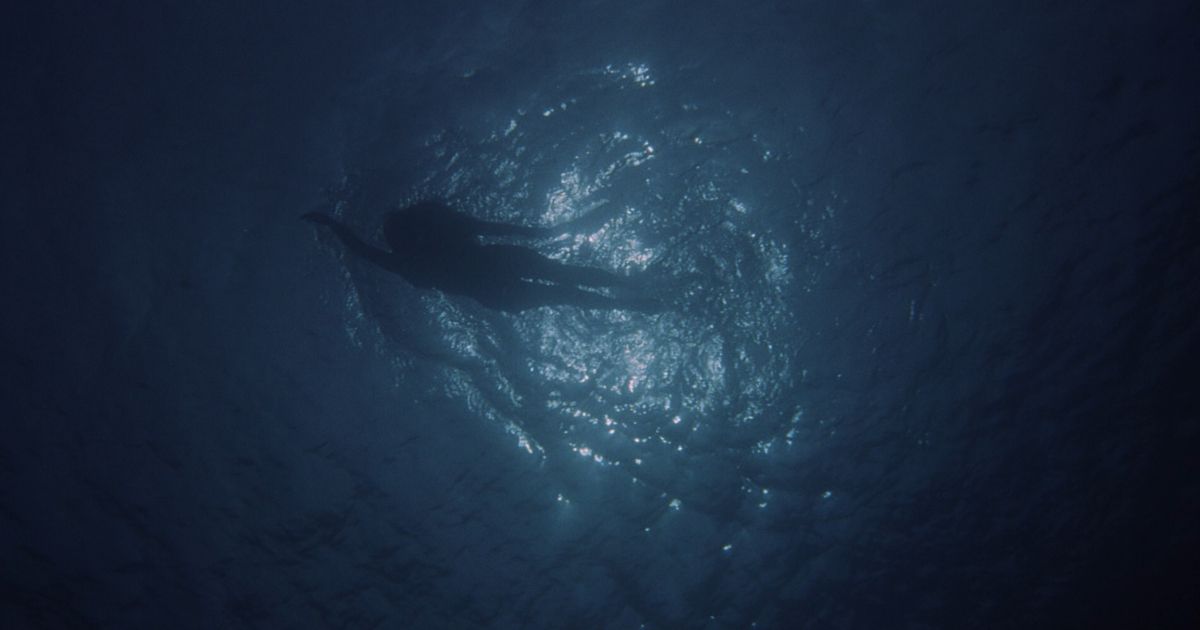
    The shots of the people on the beach use high key lighting, bright colors, and a cacophony of noise. In contrast, the POV shots of the shark moving underneath the water have a noticeable absence of sound, broken only by the “ba dum, ba dum, ba dum’ of John Williams’ score. The beach shots lull the viewer into a false sense of security. They let their guard down and relax. This established mood is what allows shark attack scenes to elicit a high level of fear. All of a sudden, the lighting is low key, the colors are dark blues, and the score grows ominous.

    jaws beach scene - Google Search | Cinematic photography, Beach scenes ...
    10 Thrillers with Incredible Openings Scenes

    This feeling grows stronger as the film goes on. The latter half of Jaws is filled with tension because the viewers can feel the absence of the Amity Island inhabitants. The characters are left alone with the shark out at sea. All sense of safety is gone and there is nowhere to run.

    Jaws (1975): The boat in which the main characters set out to hunt and ...

    Jaws was a hit summer blockbuster and won Oscars for Best Sound, Best Original Score, and Best Film Editing.

    What makes a movie like Jaws hold up so well in the modern day?

    Why do audiences like horror movies so much?

  • Cinematography, Sound, and Symbolism in Portrait of a Lady on Fire

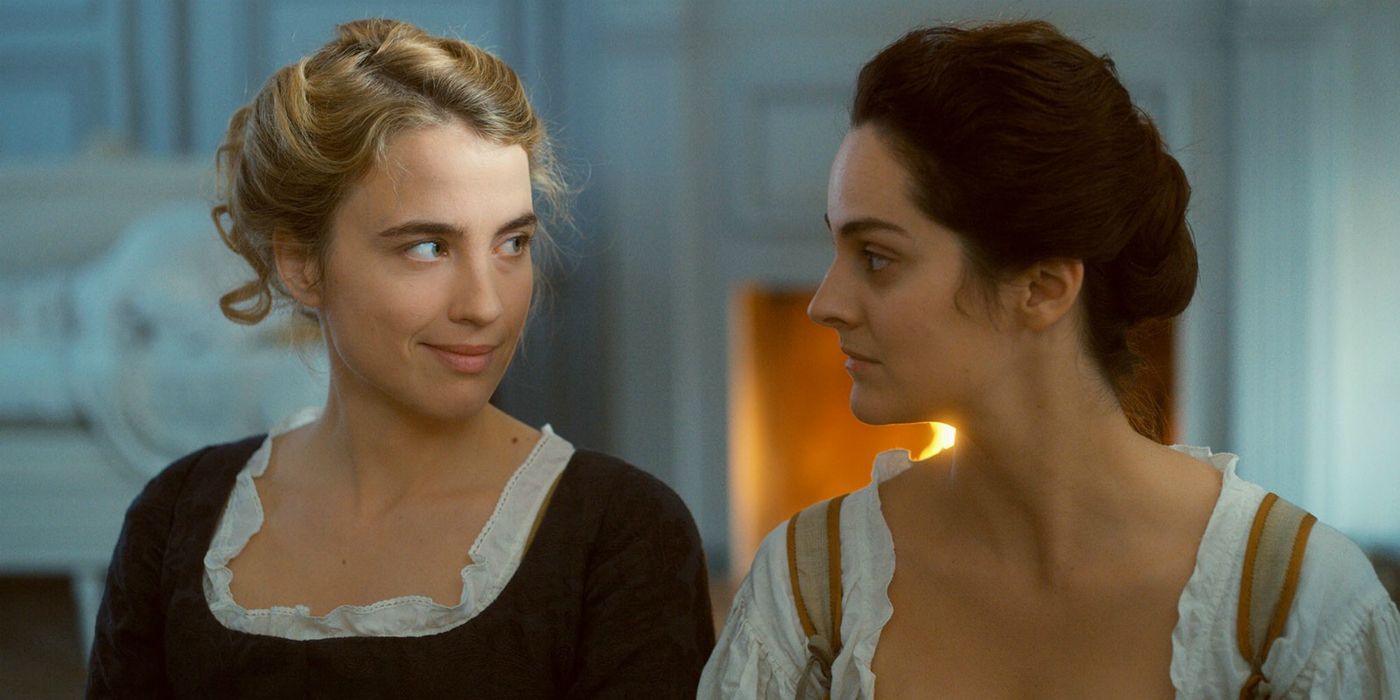
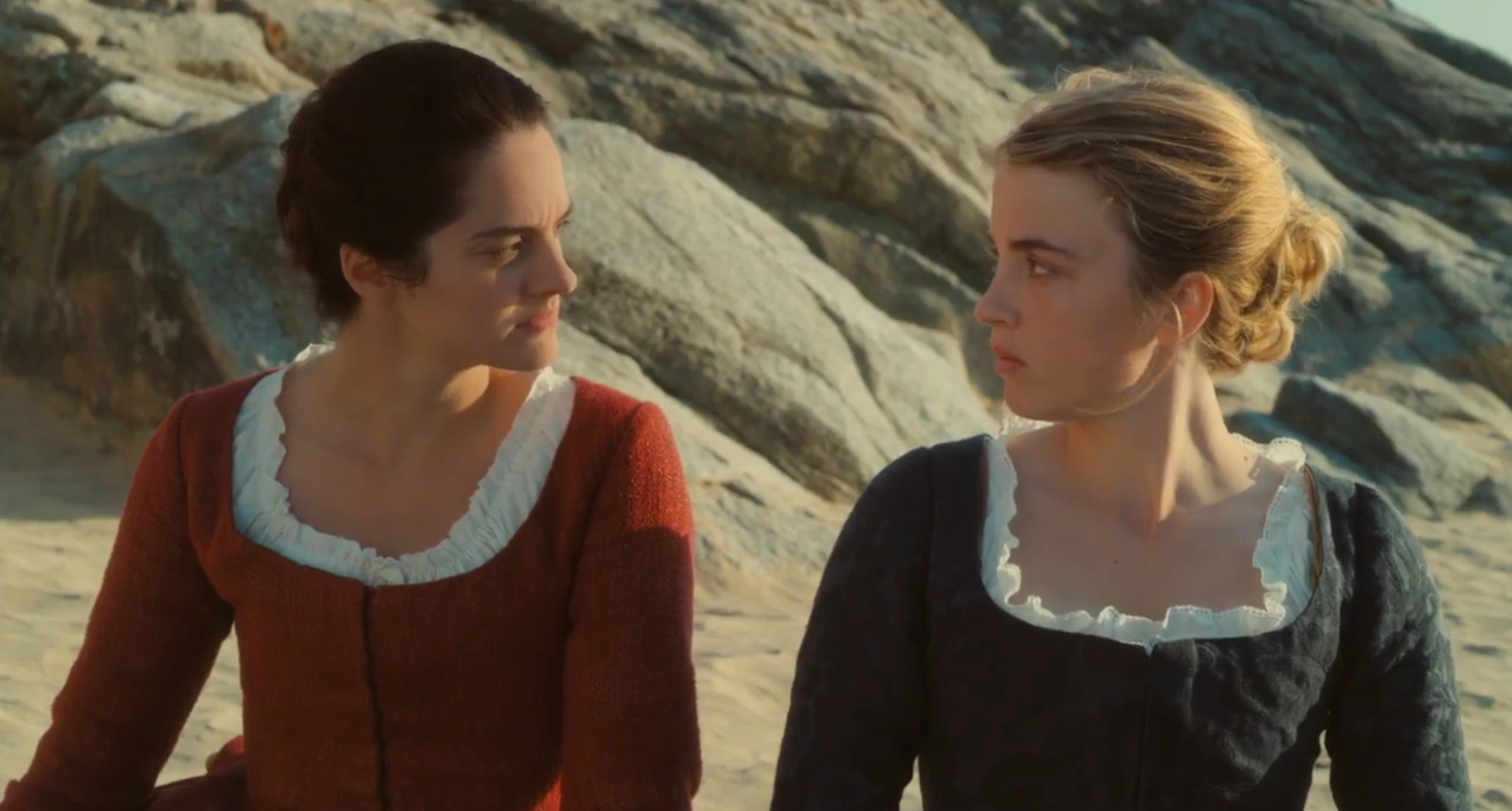
    Portrait of a Lady on Fire (2019), directed by Céline Sciamma, is a wonderfully beautiful film, capturing the longing and searching looks shared between the two main characters, Marianne and Héloïse. The film has long takes that give the story room to breathe and establish a quiet, poignant atmosphere. The framing of the shots is usually focused on the two women and their shifts in facial expression and emotion. In the scenes where Marianne and Héloïse are playing the harpsichord and playing a card game, the framing is deliberate, only showing their faces in medium close ups and close ups.

    Review portrait of a lady on fire is a sumptuous devastating film – Artofit
    Portrait Of A Lady On Fire Ending & Final Scene Meaning Explained

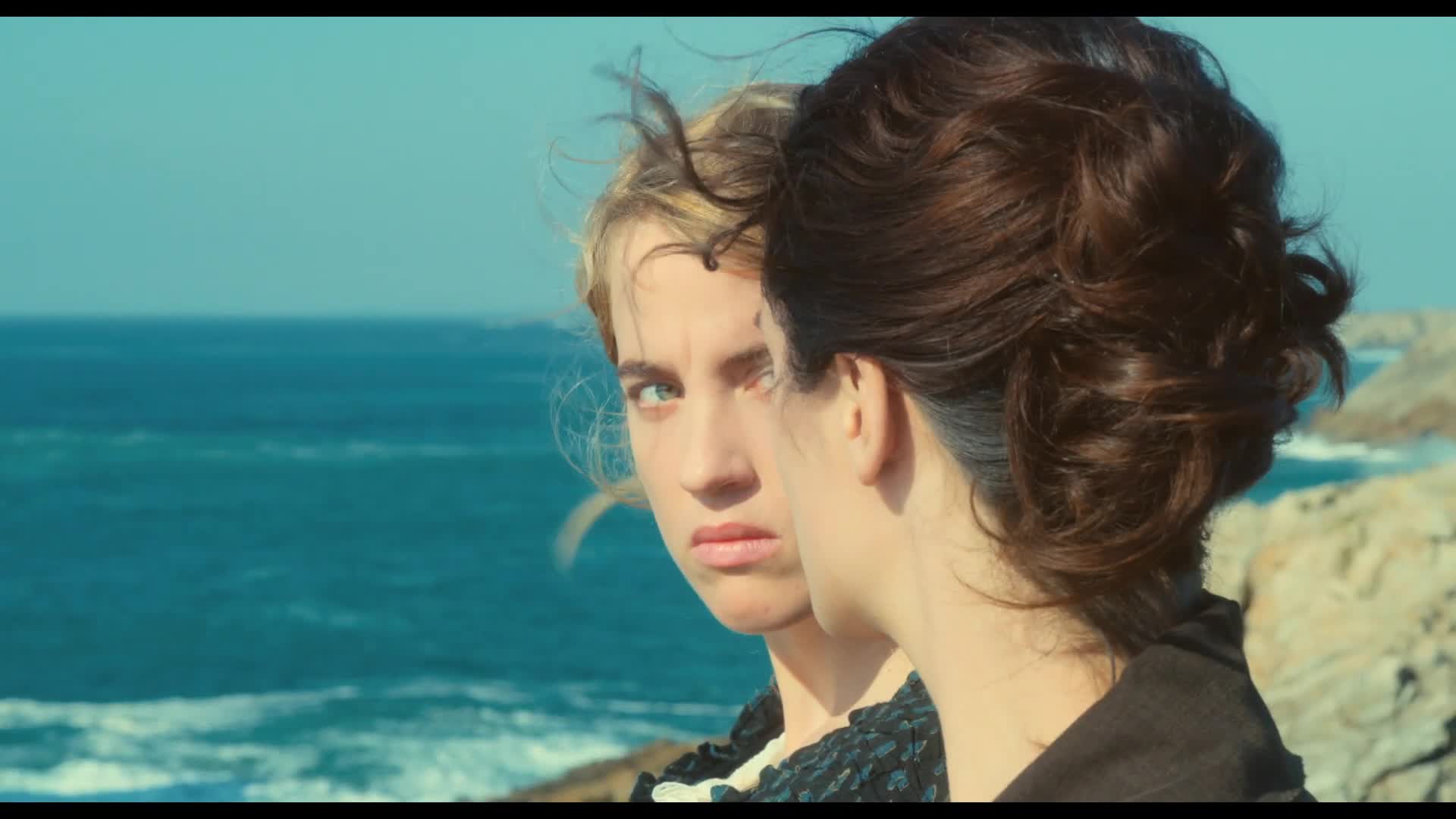
    The intentional framing drives the narrative by showing the viewers the emotional journey of the characters. In one scene by the coastline, Marianne and Héloïse are standing side by side. Marianne’s face is covering Héloïse’s face in the frame but reveals Héloïse’s face every time she turns her head to look at her. I thought this was a genius use of framing because it cues the audience in on Marianne’s inner thoughts and her curiosity about Héloïse. We glimpse Héloïse as Marianne does, quick and fleeting.

    Portrait Of A Lady On Fire Wallpapers - Top Free Portrait Of A Lady On ...

    The long shots throughout Portrait of a Lady on Fire are broken up by a generous helping of close ups, most notably used to emphasize important props. One example is the insert shot on the vase of flowers the maid is using as a subject for her needle work. An earlier shot shows the flowers blooming and flourishing with vibrant colors, but towards the end of the film, the flowers are shown in another shot as dead and withering.

    Portrait of a Lady on Fire (2019)

    We can take the flowers and extend their physical status to the relationship status of Marianne and Héloïse. Mise-en-scene and cinematography are working in tandem to enforce the mood and themes presented. It’s also worth noting that Marianne is in red throughout the duration of the film, indicating her as the object of desire for Héloïse.

    Portrait of a Lady on Fire: the act of looking - peachful - Medium

    The distinct lack of non-diegetic sound emphasizes the current action and brings the viewer into the fold of the setting. When there is music, however, the emotional effect is greatly increased and has a greater symbolic meaning when taken in the context of the relationship between the two women. The bonfire scene is an emotional moment for both women, and the fire acts as a metaphor for their attraction and desire.

    Portrait of a Lady on Fire Bonfire Song Explained: Best Musical Moment
    From Cannes: Céline Sciamma Paints a Captivating Romance in ‘Portrait ...

    The ending of the film was especially interesting because Marianne and Héloïse were both at the same orchestra concert listening to a piece that held emotional significance during their relationship. Héloïse was lost in the beauty of the orchestra, oblivious to Marianne sitting on the other side of the room. The camera moves in, and we see tears roll down Héloïse’s face.

    Portrait of a Lady on Fire – [FILMGRAB]

    While talking with several people about this scene, they mentioned being thinking Héloïse would look over and see Marianne or acknowledge the audience in some way. It was an interesting take, especially if you take the story of Orpheus and Eurydice, as told earlier in the film, as a metaphor for the affair.

    Was Héloïse truly ignorant to Marianne or was she instead choosing to keep the memory of Marianne that she created? How does the cinematography cater to the feminine gaze? What do you think of how the cinematography impacted the pacing of the film?