When I walked into Emory Cinematheque’s viewing of the 1975 blockbuster Jaws, I braced myself for two hours of bloody waters and jump scares. What I did not realize was that I was about to experience a tale of manhood, pride, and the deep effects that fear can have on not only an individual but a community as a whole. I would preface the rest of this blog post with a spoiler warning, but it seems as though I am one of the last people to have not seen Steven Spielberg’s groundbreaking summer blockbuster, which I learned was a pioneer for the film marketing industry. Even my seven-year-old camper, who spent an entire lunch block describing to me the genius of John Williams, was surprised at the news that I had yet to see Jaws.

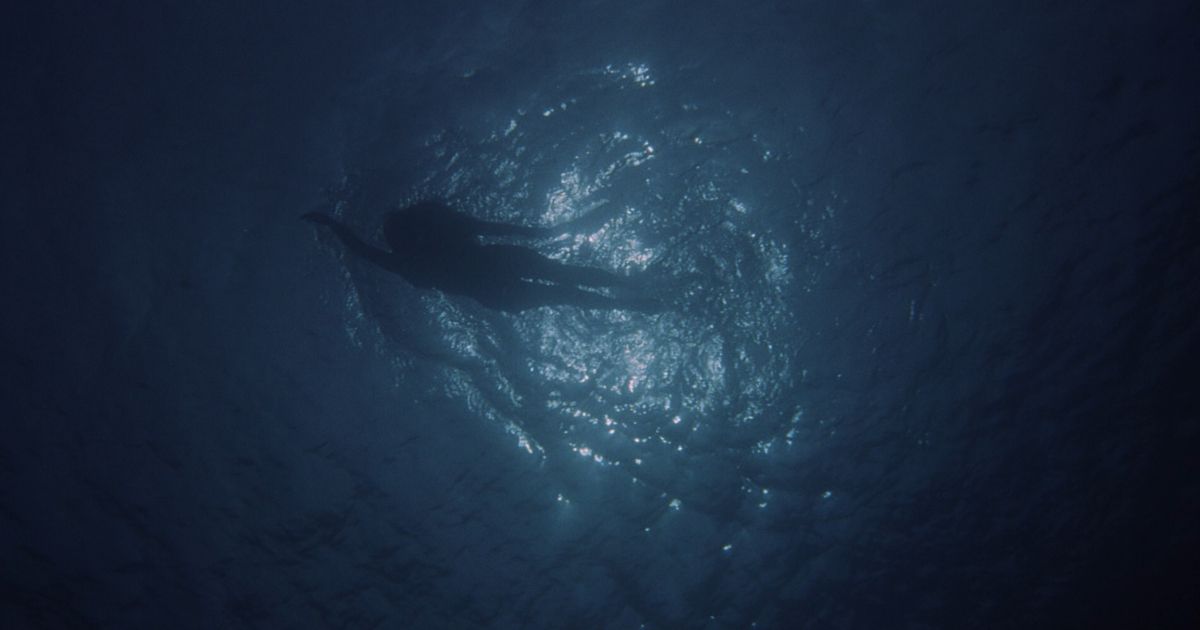
I must admit, however, my reasoning for not having seen this film in the first place is quite ironic now that I have seen it, as it contributes to the greater purpose of Jaws entirely. In its simplicity, the film concentrates on the fear of what is not seen. The most obvious fear is the shark attacking the community of Amity Island, which goes unseen for a large portion of the movie.

The strategic decision to make the audience see the early attacks from the shark’s point of view builds suspense and leaves the horror of the creature to the imagination of the viewer. The use of framing throughout the film to show the expansiveness of the ocean reminds characters in the film and viewers alike of the isolated nature of boat life, and instills a sense of fear when the shark attacks.

The fear in Jaws is not exclusive to the terror below the surface. The mayor fears the uncertainty of his town’s success without the summer crowd, leading him to continue allowing Fourth of July operations. Quint was afraid of displaying signs of weakness, destroying a radio that could have potentially given the men help. The confrontations of these men, learning when their pride is hiding their fear, there are moments of vulnerability and progress. Viewers may not be able to resonate with the experience of being attacked by sharks, but they can understand the effects that masculinity has on the confines of society.

When confronting my own fear, which admittedly is horror movies, I can see the reason movies like Jaws have resonated with millions for 50 years. I was surprised by not only the largely comedic tone of the film but also the depth of the character building. One audience member commented on how horror movies of the present day focus more on the scare factor and less on the world-building, making the deaths of their characters less impactful to the overall film. Quint’s monologue about his experience on the USS Indianapolis, crafted with a shallow depth of field focus, leaves viewers to mourn his death in a way that they may not have had Jaws been made in 2025.

I must be honest, I likely would have never gotten around to seeing Jaws if not for Emory Cinematheque’s feature. I was luckily reminded that the possibilities of fears, even small ones, can halt us from experiencing iconic pieces of cinematic history. This was an enjoyable night at the cinema, but also a reminder to confront what is under the surface in life, as even great whites can be fought.