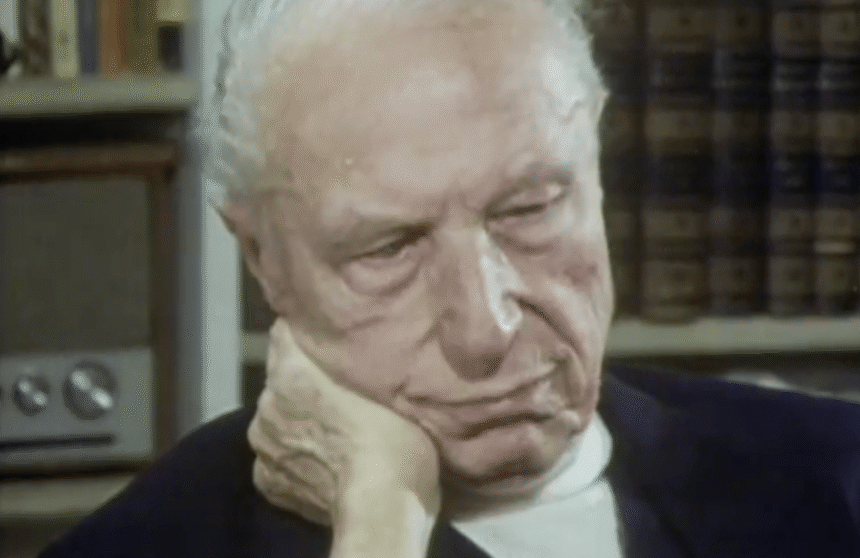
The moment the end credits rolled in, All That Heaven Allows, I was fixated on two aspects of the film. The first being the implementation of the deer, which seemed to keep reappearing when I least expected it, and the second being my amazement at how powerful this tale of female individualism told in the 1950s was. I was curious to learn of the creative who put this together, and decided to do so in a melodramatic fashion. In a 2015 article, film critic Richard Brody writes about Sirk’s work as a director Sirk’s work as a director in The New Yorker Magazine, highlighting his thematic contributions to history as “crackpot philosophers and identity-shifters” (Brody). Sirk built a world in his films in which his characters were outsiders to their societies, but made monumental changes that took a philosophical stance on society and all of its dysfunctions. Sirk was known for his melodramas, and his comedic ability. He creates movies about widows, career oriented women, children, and racial injustice, among others.

His stories are presented in this melodramatic fashion as a way to express complex and underrepresented realities, but with a genuine lesson attached to them. Take All That Heaven Allows for example, a film seemingly about a love affair between an older widow and her younger gardener. The scene where the film’s protagonist, Cary, finds a copy of Henry David Thoreau’s “Walden” and not only reads but discusses a portion of the book’s message to march at the beat of her own drum displays how “Sirk doubles Thoreau on himself, showing American philosophy not as an academic discipline but as the residue of a way of life, a trace of vital and ongoing experience” (Brody). Sirk is not only imparting life lessons on his characters, but he is doing so to his audience in a way that is tangible and relatable. American philosophy would be easier understood from a melodrama, rather than a textbook. Sirk is also giving Cary a permanent solution in this film, one where she and Ron choose to live away from both of their lifestyles in their new home, rather than a temporary rebellious moment for a happy movie ending that the audience knows would realistically never work.

As Brody describes the different films that Sirk has created, the consistent theme of self-determination is apparent. He focuses on an American dream tale that is not commonly told, but still possible. In Week-End with Father (1951) there is representation of a woman wanting to continue her career even after marriage and having children. In Imitation of Life (1959), Sirk addresses the racial inequities in Hollywood cinema and calls out codes of silence. Brody states that he does not simply contribute to cinematic history, but to the history of thought as a whole.

I wonder if the political climate of his time made a lot of the messaging in his films more subtle, or if you think that the use of melodrama helped Sirk to make his messages almost too glaringly obvious? Was the dramatic storytelling a way to share his philosophical ideas, or were they a deeper layer in his film?
Link to article:
https://www.newyorker.com/culture/richard-brody/douglas-sirks-glorious-cinema-of-outsiders