Tag: #animation

  • Reading the Metaphors in Zootopia 2

    My little cousins wanted to see Zootopia 2 over break, so I ended up in the theater. I went in expecting a simple sequel, but the film surprised me with how much it tried to update its ideas about prejudice and policing. The first movie created that whole “species equals race” metaphor, and the sequel pushes it into new territory by showing how public fear and political messaging shape the city’s identity.
    I kept noticing how the animation supports those ideas. When the city changes tone, the colors dim and the lighting gets sharper. The film uses that shift to show how tension spreads even when the characters do not talk about it. I paid a lot of attention to the crowd scenes because the animators fill them with tiny reactions that show anxiety moving through the population. Even kids around me gasped when everyone pulled away from each other.

    But I will say, the movie does still struggle with the limits of its metaphor. Disney is the studio after all. It wants to teach tolerance, but it also avoids talking about who holds power in a system like this. Still, the animation and pacing made the emotional beats clear and easy to follow. I walked out thinking that the film communicates its ideas most clearly when it stops explaining them and lets the world design express the pressure the characters feel.
  • Documentary, Experimental, and Animated Films

    This week, we read about three different types of films: documentaries, experimental films, and animated films. All of them differ from narrative film in some way.

    Documentary films claim to present factual information about the world. They have their own genres and often mix them to create a collage of records centered around a specific subject matter.

    Experimental films, on the other hand, are created to express a unique viewpoint or experience, convey a mood, show a physical quality, or explore possibilities of the medium. Narrative form tells a story with expressionistic features, but the two main forms of experimental films are abstract form and associational form. Abstract form emphasizes pictorial qualities such as shape, color, or texture. You can think of abstract form as art in the medium of film. Associational form suggests ideas and emotions to the viewer by assembling images and sounds that may not have any logical connection. You can think of associational form as poetry in the medium of film. The juxtaposition of images creates linkages that the viewer can interpret. One example of an experimental sequence in a film is from 28 Years Later, where war footage is intercut with the current scene.

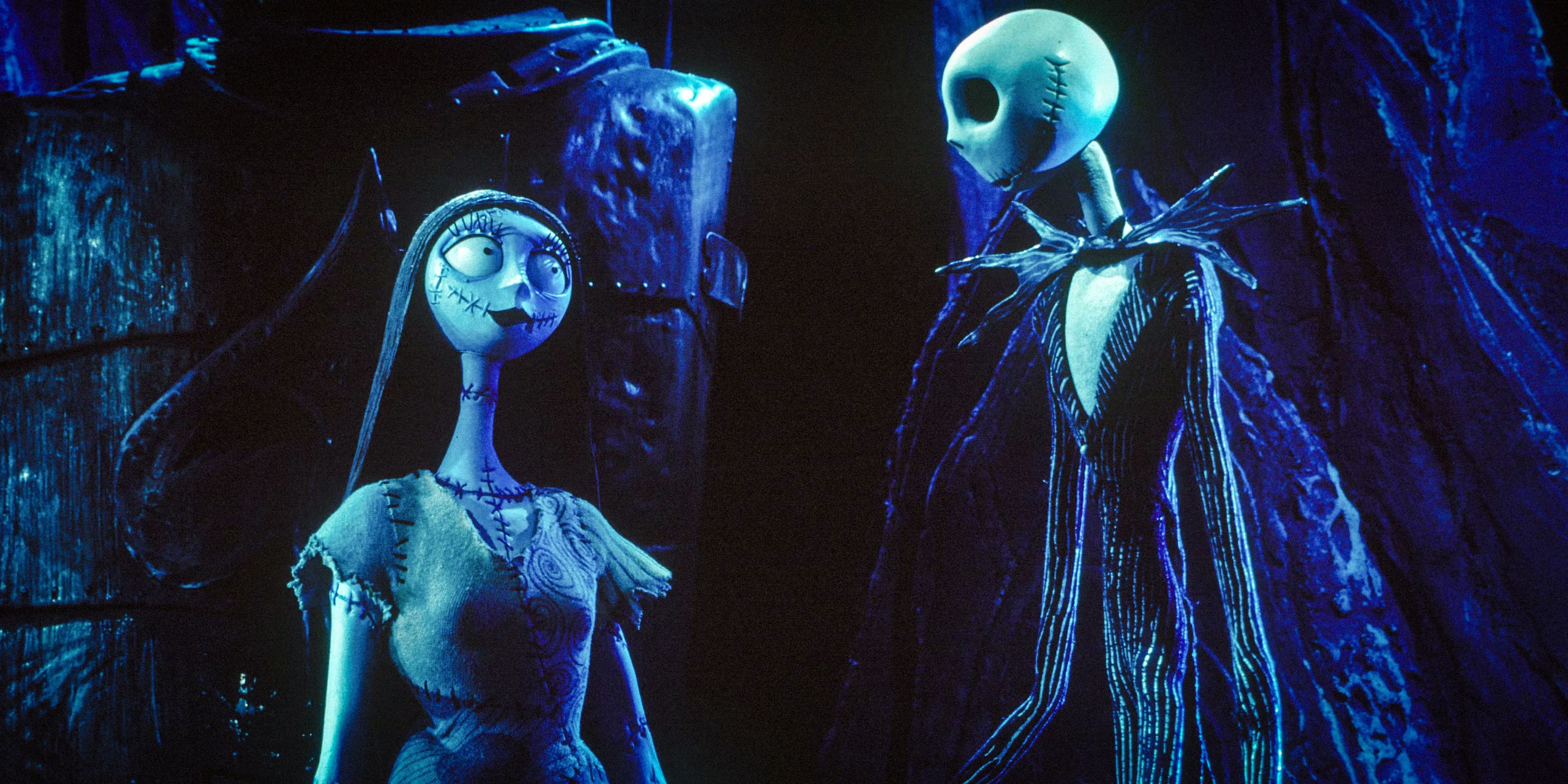
    Animated films are a series of images that are shot one frame at a time. They encompass a wide range of genres and types of films. You might see a narrative, documentary, or experimental animated film. Older animation techniques involved celluloid (or cels for short), layered animated drawings that created an illusion of movement. Other animation styles include cutouts, clay animation, or model/puppet animation. I recently watched A Nightmare Before Christmas (Henry Selick 1993), which was created in the puppet style of animation as a stop-motion musical.

    Tim Burton Crann

    In a lengthy process of two years, the animators had to pose the puppets for each frame of the movie. That added up to roughly 110,000 frames. In addition, the creative team built all of the sets and props from scratch, while Danny Elfman wrote all of the songs and was the singing voice for Jack Skellington. The result is a movie with a unique visual and musical identity that remains a beloved family film to this day.

    Another studio that is famous for puppet animation is Studio Laika. Coraline, Kubo and the Two Strings, and ParaNorman are some of the movies they have made. Their upcoming feature, Wildwood, released a first look documentary a few days ago.