From the moment the camera prowls through the slum and the underground fight arena in Monkey Man, Patel forces us to see India’s stacked system of power not as a distant cultural curiosity, but as a brutal architecture. The cinematography does heavy lifting: oppressive low-angles, jagged handheld shots, stark contrast between light and shadow. All of it works to embed the caste system, not just thematically but physically. As Patel himself explains: “I was like, ‘I can use a genre that I love so dearly … to talk about the caste system of India.’” When you see the hero fighting through kitchen floors, back rooms, then penthouses, it isn’t just spectacle. It’s a visual indictment, and not one that’s a subtle allegory; it is loud and unapologetic.

The editing amplifies that critique. Cut to raw bones, cut to ritual, cut to violence. Each transition hits like a message: the exploited become beasts, the gods become corrupt lords, and the viewer is forced to track this movement. The film doesn’t lull into comfort. Instead, it jumps—from clandestine matches to inflated political rallies, from masks to megaphones. Patel says he wanted “real violence … real trauma …” The timing of edits emphasises that the system’s brutality is cyclical. The oppressed fight, they ascend; the ascendants become oppressors. The cut-and-paste structure of action becomes the mirror of systemic churn.
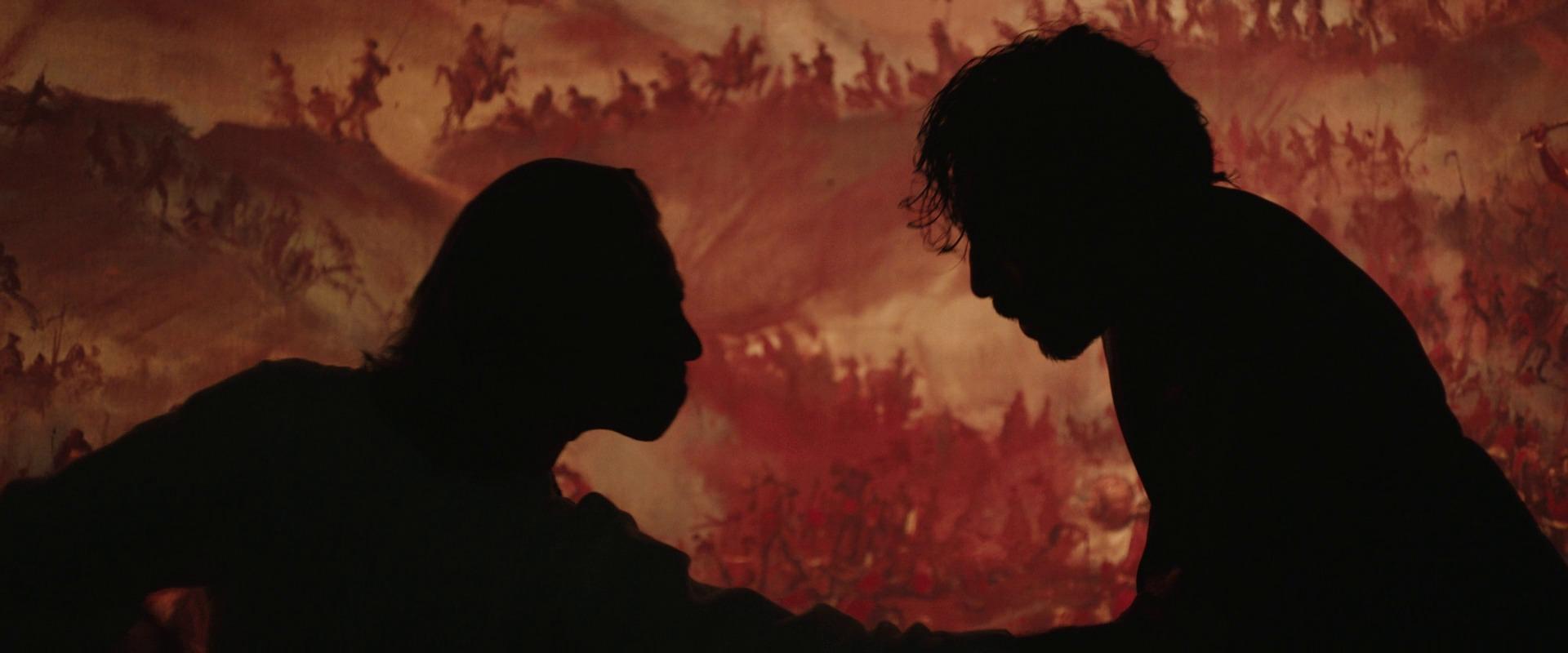
Genre is where Patel earns his argument. He takes the revenge-action template (think John Wick) and injects it with mythology (the monkey-god Hanuman) and with the very real politics of caste and corruption. He says the hero isn’t “the guy who you knew was going to take on a hundred men.” He’s the marginalised. The underdog. That choice says everything. Genre serves the critique: spectacle draws in the mainstream; the content punches back. It refuses to let violence be pure adrenaline—it makes it a statement. And by doing so, the film picks a side: the side of the oppressed against the entrenched elite.

Which brings us to the real-world stakes: Monkey Man is not just set in India; it is speaking to India—and the backlash proves the point. The film’s theatrical release in India remains stalled, amid reports that the Central Board of Film Certification has delayed or avoided screenings because the content is politically charged. Patel links this delay to real frustration: “We’re talking about religion and how religion can weaponise a large mass of people … it came from a place of rage too, against what was happening in India.” In other words, the system this film critiques is still fighting for control over the narrative. The censorship becomes part of the message. The elite refuse to let the message out—and that refusal confirms the film’s point.


