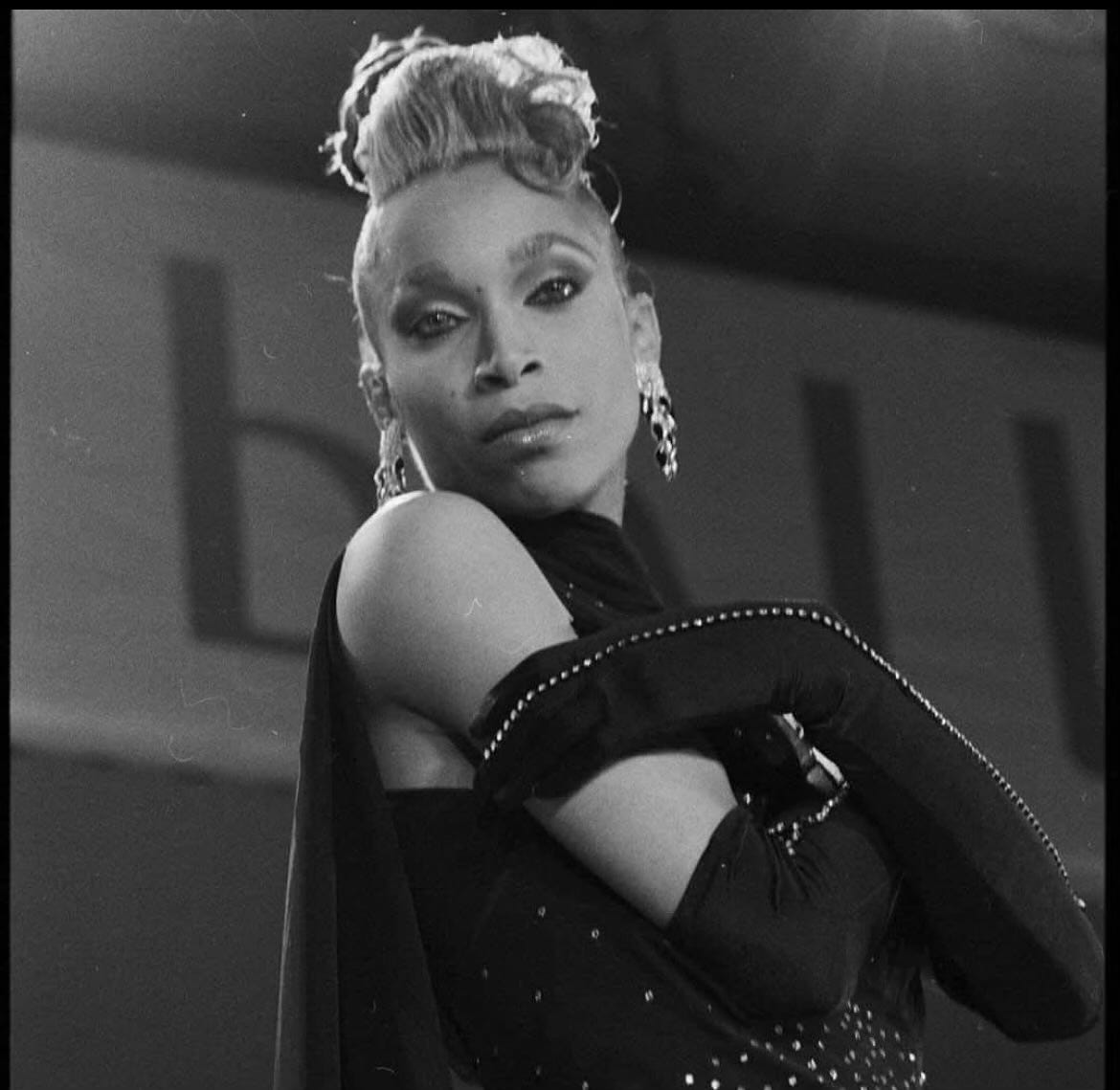
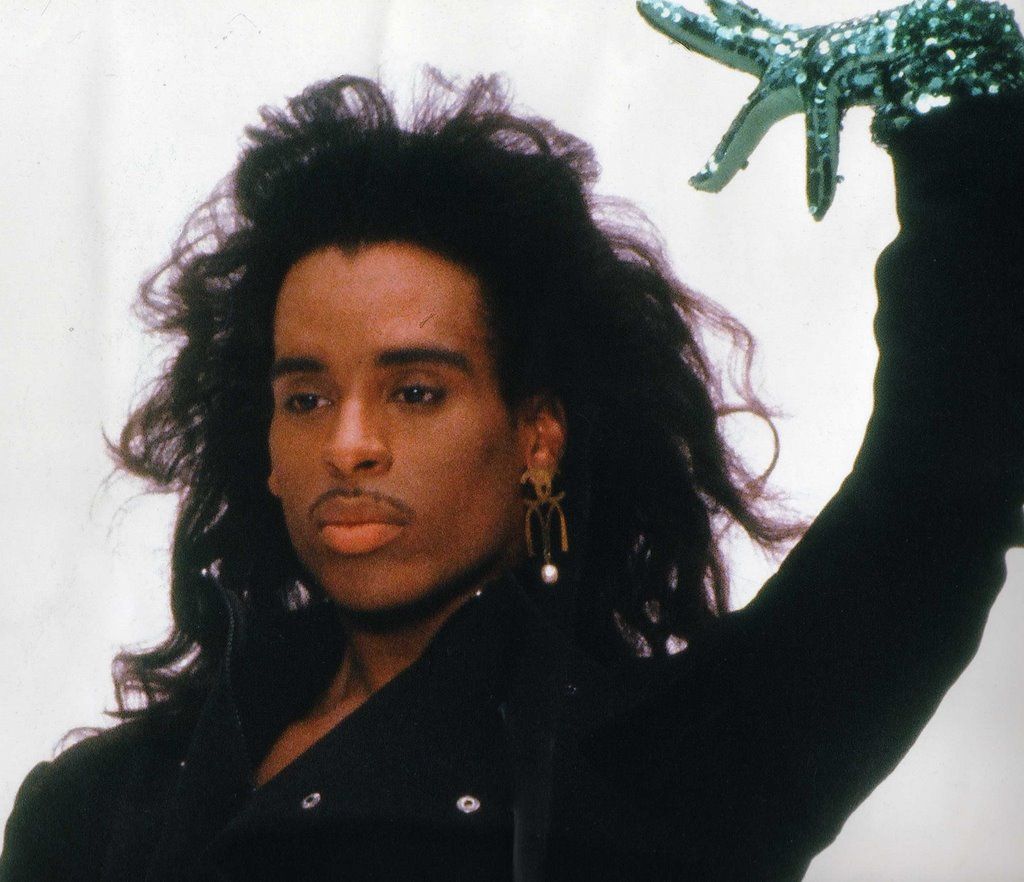
Paris Is Burning captures the vibrancy, competition, and chosen families of New York’s ballroom scene. Three decades later, RuPaul’s Drag Race has brought many of those aesthetics and attitudes into the global mainstream. Watching the show today, it’s easy to forget that terms like “shade,” “reading,” and “realness” weren’t born on a soundstage, but rather in Harlem’s ballrooms.
Jennie Livingston, the director of Paris Is Burning, reflected on this evolution in an interview with AnOther Magazine, noting that “if you’ve ever heard of “realness,” “reading,” or “throwing shade,” it’s probably because of RuPaul’s Drag Race. But the origin of this terminology far precedes the reality-TV show.” (Livingston, 2020) I picked up a degree of tension within this article, in that although Drag Race celebrates the artistry of drag, it also repackages it for mass consumption, sometimes distancing it from the political urgency of its roots. The ballroom scene was never just about winning but rather about being seen and loved by one’s house, since they oftentimes didn’t recieve much love from their biological families or society in general due to their identities. In contrast, on Drag Race, “family” becomes storyline rather than lifeline.
The show’s success has undeniably opened doors for queer performers worldwide, proving that what began in underground NYC clubs could reshape global pop culture. Regardless, RuPaul’s Drag Race should stand as a reminder that the culture it celebrates was built not just on glamor, but also on resilience, creativity, and chosen family.
Back in September, I attended the Emory Cinematheque’s screening of Grey Gardens (Maysles, 1975), and knew I wanted to wait until the week on documentary to fully unpack what I had witnessed. In only 95 minutes, viewers are taken into the home of Edith and Edie Beale, also known as Big and Little Edie, an eccentric mother and daughter duo who are relatives of Jackie Kennedy Onassis living in their run down Long Island estate. The pair argue, sing, perform, share stories from their past life, and seemingly ignore the garbage-filled mess that is surrounding them. Ralf Webb of the White Review discusses the use of direct cinema, the ethics of the film, its historical impact, and more in his 2018 review: https://www.thewhitereview.org/feature/film-direct-cinema-grey-gardens-summer/
Still of Little Edie from Grey Gardens, 1975
What is fascinating about this documentary, compared to any others that I have seen, is its commitment to direct cinema, in which they committed to be invisible to the object they were observing without narrative form or musical overlay. In the golden rule, direct cinema is where “interaction with the subjects should never evolve into direction” (Webb). This was exemplified through many shots of Little Edie being interrupted by the calls of Big Edie in the background, or through the subjects consistently talking to the film crews, presenting that they were not restating or asking questions until they got an acceptable answer. Watching this film reminded me of the ethics discussed in class during the first week on Rear Window, however, and how voyeuristic attitudes are only validated when what is being watched has a purpose. This mother and daughter were only relevant due to their cousin’s status, and throughout the cinematheque moviegoers laughed at their remarks, which admittedly were funny throughout the film. Still, there was a clear exposition of two women in crisis, living amongst rodents, and are now solidified in history as entertainers.
Big Edie sits amongst her run down estate
Their story is seen through the eyes of the documentarians, and what is told is manipulated by the production of those making the film, not themselves. The film raises ethical questions because “the Maysles, it seems, are acting in bad faith: they’ve gained the Beales’ trust, maneuvered into their private lives, and act innocently inquisitive, when, in actuality, they’re wise to the documentary gold in front of them. I could not help but think of this when watching Paris is Burning (Livingston, 1991) and wonder if my own entertainment and knowledge acquired throughout the film was ethical. Still, I believe that documentary holds a power in solidifying parts of history that may go underrepresented, and maintain the capacity to amplify voices in ways that would not be for forever. Big and Little Edie do get their stories told to the world, as do the subjects of Livignston’s Paris is Burning that would not be exposed to such a wide audience without the oppurtunity.
Albert and David Maysles pose with Big and Little Edie
Big and Little Edie have been remembered through movie adaptations, a Broadway show, and drag queen interpretations. After Grey Gardens‘ was released, Little Edie noted feeling accomplished in her portrayal of the film, “as though the power to partly construct a filmic version of her own reality gave her some freedom from it” (Webb). Theories like Webb’s remind us not to look too personally into the lives of the subjects we watch in these films. After spending an hour and a half with Big and Little Edie, it is easy to feel as though one can make generalizations about their lives as a whole. That is just an hour and a half of years of living in Grey Gardens, and the documentary could have been different if filmed at any other point in life.
After watching Paris is Burning, I became really curious about what happened to the lives of these dancers, house mothers, gays, transexuals after the film was released in 1990. Now that more than 30 years has passed, a lot must have happened to the clubs and the ballroom culture too.
Fortunately, I did find a relevant YouTube video that followed up most people in the film and described their lives after (although most of them passed away by now). The link to the video is here: Life After Paris is Burning | TRIBE TV NTWRK. I will summarize what is being said down below.
1. Pepper Labeija
From when he became the mother for the House of Labeija, Labeija remained to be the mother for the following 20 years. On May 14, 2003, Labeija died of a heart attack only at the age of 54. Recall how he said in the documentary that he felt smart not to do the sex reassignment surgery, such that in the following 40 years he would live well, hearing his death at just 54 makes me feel sorry and unexpected.
2. Venus Xtravaganza
Venus Xtravaganza is one of most memorable person to me from the film. She is just so pretty and talks so softly. I remember her talking repeatedly about her hopes of life and what she wants as an aspiring model. She also talked about how she escaped an attack from a man that tried to sleep with her. Another reason why her image sticks in my mind so much is probably because her death occurred during the filming of Paris is Burning. Her dead body was under the bed of a Duchess Hotel, perhaps due to a similar occasion of his attack.
As of 2019, the killer has not been found, but in 2013 a New York’s theatre group displayed a murder mystery play that referenced Venus’s death. In POSE, Venus was also paid homage through multiple hot lines.
3. Octavia Saint Laurent
Octavia was the girl who took modeling seriously and tried the best out of her self. I remember her because her dance is good, her makeup is done well, and her poses when she was being photographed as a model were all delicate. After Paris is Burning, in 1993, she played a role in the Saint of Fort Washington. In 2005 Octavia was a host of the TV award show, The PillAwards. The next year she starred in Wolfgang Bush’s How Do I Look. In this film, she commented Paris is Burning as “a terrible movie.” She also discussed her drug use, sex work, and fight with AIDS. In 2008, she was diagnosed with cancer, and on May 17 the following year, she passed away.
4. Willi Ninja
Willi Ninja is the mother of the House of Ninja. My impression of him is that his vogue dance was so good and delicate. If I remembered correctly, he became the godfather of Vogueing and even in the film, he described himself as the one who could dance the best out there. Paris is Burning greatly helped Willi’s career. He starred in the music video for Malcom McLaren’s song Deep in vogue. He also danced in two of Janet Jackson’s music videos from the album Rhythm Nation 1814. He also appeared in the 2006 follow-up How Do I Look documentary. Unfortunately, Ninja died of a AIDS-related heart failure the same year How Do I Look was released.
5. Angie Xtravaganza
The mother of her house, Angie’s nice and tender personality is probably what made me like her so much when watching the documentary. She took such great care of her house members, saying how whenever there’s a ball she would have to help her members prepare. During a short passage describing how she got paid to get her breast, her members cheered her up and said that Angie “nourished them,” showing their love for Angie. She also won the mother of the year, as shown in the documentary!
Unfortunately, she passed 3 years after the filming from an AIDS related liver disease, only 28 years old. 3 weeks after her death, the NYT published an article on the ball scene and gave her a large photo on the front of the Styles section, with the title, “Paris Has Burned”. A year later, Junior Vasquez released a house single titled “Eggs”, dedicated to Angie.