
Definition
Passing, a multifaceted concept, has evolved over time, taking on diverse meanings across different social, cultural, and literary contexts. One of the first instances in which ‘passing’ was used in wide-spread media was in Nella Larsen’s book Passing, published in 1929. The book follows two women, Irene and Clare, who reconnect after years. Clare, ‘passing’ as white, is married to a racist businessman, while Irene, using her light complexion to ‘pass’ for the day, embraces her Black identity.
Rooted in the Black-White narrative, passing originally referred to individuals of African descent attempting to assimilate into the dominant white society, both socially and in literature. However, people involved in its literature, like Steven J. Belluscio, have expanded the definition. In his work, To Be Suddenly White, he asserts that passing is not confined to racial boundaries but extends to crossing any racial, cultural, social, or sexual boundary for personal benefit.
Many have cited emancipation, education, and employment as key historical motivators for ‘passing’ (Gregorchik). In contemporary times, ‘passing’ has transformed into a label imposed on individuals who may look white but identify differently. This challenges the traditional binary understanding of ‘passing’ as an autonomous action for personal gain.
However, other research that explores beyond the Black-White binary, examining biracial individuals from various ethnic backgrounds, shows that some people still use a modern form of ‘passing’ as an autonomous action to benefit from privilege associated with whiteness (Harris).
Rebecca Hall’s film adaptation of Nella Larsen’s Passing provides a visual exploration of ‘passing’, emphasizing its psychological toll and the blurred racial binaries through black and white cinematography. The movie demonstrates the challenges of living a dual life and the tragic consequences that may arise. Clare’s drinking problems and her willingness to give up everything, as if she has nothing to lose, demonstrate her battle with depression. Her fervor to be included in Irene’s social circle and to reconnect with Irene capture her longing for acceptance and her loneliness in social circles where she does not fit. Clare’s character effectively conveys the physical effects that ‘passing’ can have on an individual and their community.
Beyond academic use, colloquial and contemporary definitions emphasize that other’s perceptions overpower and influence self-identification (librakkk).
Passing has evolved from a Black-White narrative to a broader, nuanced concept encompassing various racial, cultural, and social boundaries. It involves not only a change in appearance but also an action taken for survival, often entailing psychological and social consequences.
History/Background
As mentioned previously, “passing” is historically a Black-White narrative. It refers to people of African descent living in the United States attempting to assimilate into White society. Many factors forced people into this position, although most did it for survival and access to opportunities denied to them due to racial discrimination.
One of the first instances of ‘passing’ by a large group began with the Chinese Exclusion Act of 1882. The act suspended Chinese immigrants from entering the US. It became law in 1902 and was not removed until 1943, when the US became allies with China. Records show that Chinese immigration never fully stopped. Instead, immigrants disguised themselves as Mexican immigrants to enter through the southern border (PBS Digital Studios).
In the late 19th to early 20th century, several white ethnic and African-American authors published realism literature. Realism, a form of literature portraying events accurately through fictitious stories, highlighted the struggles that minority groups faced, pushing them to a ‘passing’ life. Examples include, most famously, Nella Larsen’s Passing and Mary Antin’s less well-known The Promised Land. Although Nella Larsen was not the first instance in which ‘passing’ was used, she was responsible for creating the main-stream definition of ‘passing’ that exists now. Furthermore, the literature reveals that even in the past, the media portrayed ‘passing’ as a Black-White narrative but on a day-to-day basis many minority groups used ‘passing’ to navigate societal challenges and assimilation (Belluscio).
Although it is not clear, the term ‘passing’ may be connected to the historical and modern dictionary meaning of ‘passing’ as a noun and as an adjective. As a noun, it refers tp “act of one that passes,” as in the death of someone or something. When used as an adjective, ‘passing’ means that something is brief, or not permanent. If ‘passing’ refers to someone’s death, it may be related to the ‘death’ of someone’s minority identity, which is required for someone who is ‘passing’ as white (Merriam-Webster).
Examples
- Anita Hemmings
In the year 1897, Anita Hemmings became the first Black graduate of Vassar College, ‘passing’ because of her “olive complexion”. ‘Passing’ opened economic and professional opportunities for her, allowing her access to socioeconomic circles otherwise closed to her. Hemmings returned home after college and married a ‘passing’ doctor in Boston college, raising her kids as white. As shown by Hemmings, ‘passing’ is a generational commitment that causes people to leave their family and community behind. While some see it as a privilege, it takes a toll on individuals living dual lives. The linear, binary American concept of race led to Anita being able to ‘pass’. People were not able to see past her skin color to understand her race and ethnicity.

- Harry S. Murphy
Harry S. Murphy graduated as a white man from the University of Mississippi in 1949. His ability to ‘pass’ was an accident. His Navy College Training Program officer marked him as white because of his appearance. When Murphy applied University of Mississippi application in 1945, he just made no corrections. Again, his story highlights the American understanding of race synonymous with skin color and physical features. When the white media finds out about stories such as Murphy’s, they are enraged, yet fail to acknowledge it is the white-only narrative that pushes it to happen in the first place
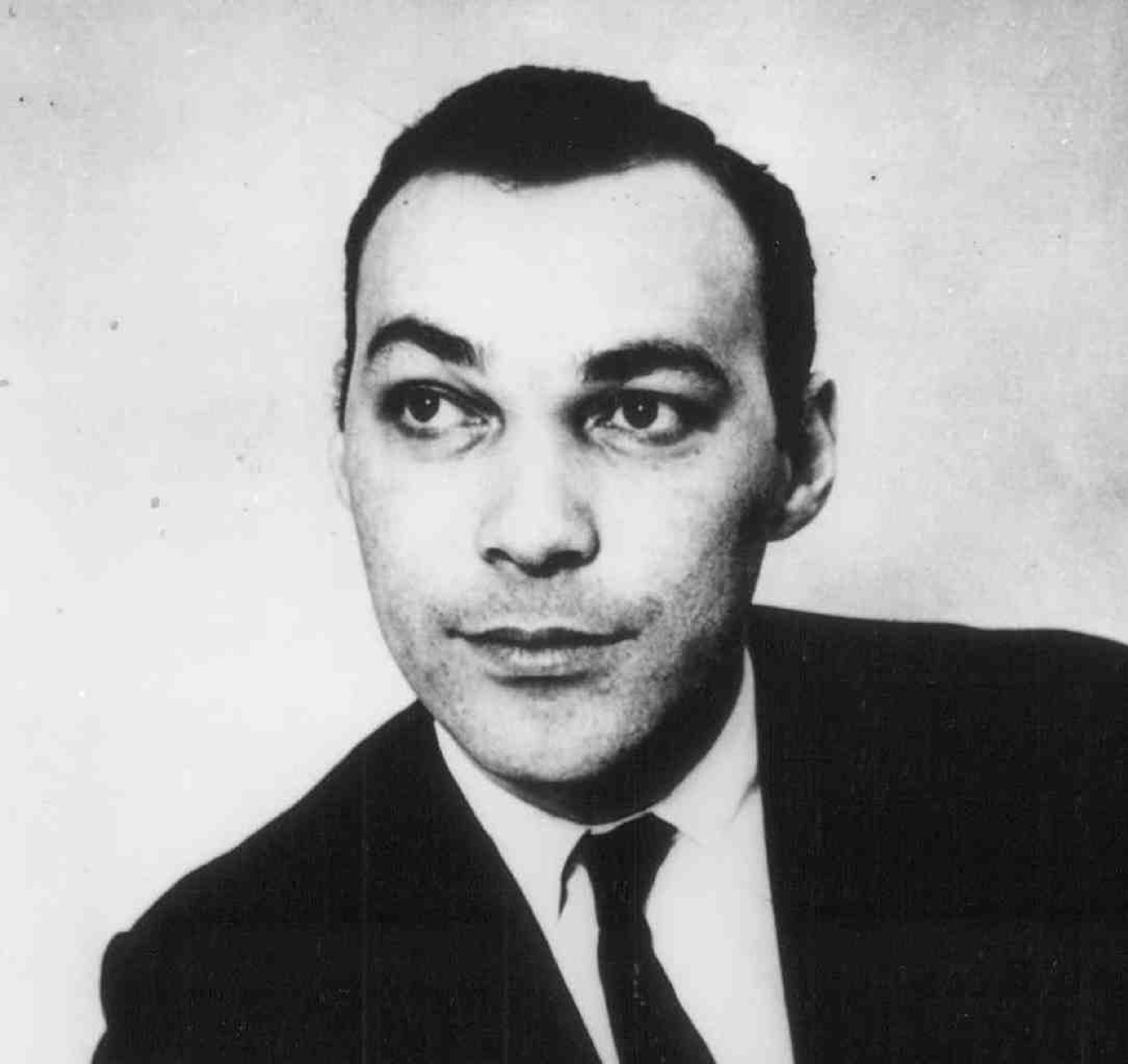
3. Linda Taylor
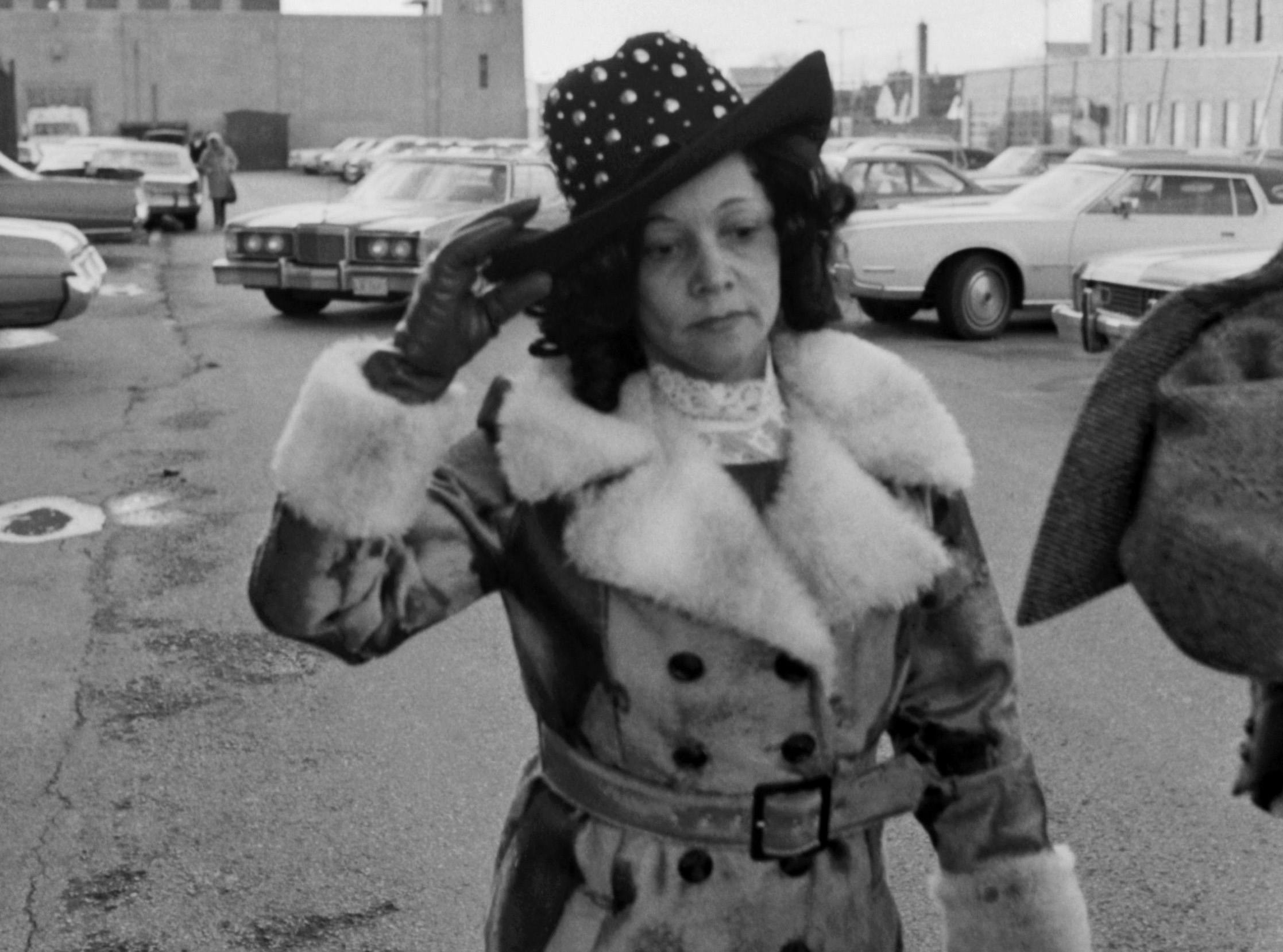
An anomaly compared to the previous examples, Linda Taylor was a white woman ‘passing’ as a variety of races to engage in illegal schemes like changing wills, cashing fake checks, theft, and welfare fraud. Her act of ‘passing’ as a Black woman came to the media’s attention in 1976 when Reagan used her welfare fraud case as a reason to restructure American welfare programs. Taylor exemplifies that ‘passing’ is a means of capital, financial, legal, and social survival, not necessarily the desire to be of a different race.
The Psychology Implications of ‘Passing’ and Racial Bias
The enduring psychological repercussions of racial bias stemming from legal segregation were starkly revealed in the Clark Doll Experiment conducted by psychologists Mamie and Kenneth Clark. The study, instrumental in Brown v. Board of Education, presented sets of dolls (one white, one brown) to children, prompting them to associate features with notions of good or bad, and identify those resembling themselves. The children identified the white dolls with the ideas of “goodness” and “purity”. Some of the children of color were so impacted by the realization that they had features similar to the brown doll that they teared up, often fleeing the room. The experiment highlights the lasting psychological effects of racial bias which might lead people to want to identify to the public as white (PBS Digital Studios).
Furthermore, in her exploration of racial identity themes in The Vanishing Half, psychologist Olivia Mohtady delves into the historic survival strategy of “white ‘passing’. This concept, rooted in societal acceptance and benefits, poses a complex and painful dilemma, necessitating the severing of ties to core experiences. Mohtady scrutinizes the problematic nature of labeling “white ‘passing’ in psychotherapy, highlighting the privileged identity of whiteness and the agency involved in such choices. Her article emphasizes the intersectional nature of ‘passing’ and the lack of autonomy individuals face in identifying with a specific racial or cultural group.
Rebecca Hall’s film adaptation of Nella Larsen’s ‘passing’ delves into the intricacies of racial ‘passing’ through the lives of Irene and Clare. The movie skillfully employs black and white cinematography to blur racial binaries, portraying Clare’s tragic fate as she navigates the challenges of ‘passing’. Hall’s portrayal sheds light on the effects of ‘passing’ on an individual and their community, touching on beauty standards, social belonging, and the emotional toll of living a dual life.
One study showed the impact of ‘passing’ on families is evident in historical data, revealing that black men who passed often left their black wives or married white women, leading to significant shifts in family structures. The census data reflects the costly emotional toll, as families either collectively embraced ‘passing’ or faced separation. Most importantly, nearly 88% of ‘passing’ men relocated to different states or countries, showing the geographical and emotional toil associated with ‘passing’. The isolation men felt from ‘passing’ for a different racial identity is highlighted by the surprising number of individuals who eventually chose to return to their communities or marry non-‘passing’ individuals, nearly ⅓ of the ‘passing’ population (To Escape Jim-Crow Era Discrimination).
Works Cited
Belluscio, Steven J. “Introduction.” To Be Suddenly White: Literary Realism and Racial Passing, University of Missouri Press, Columbia, Missouri, 2006, pp. 1–27.
Gregorchik, Vanessa. “Shades of Complexity: A History of Racial Passing.” Literature and Digital Diversity, Northeastern University, 2017, litdigitaldiversity.northeastern.edu/shades-of-complexity-a-history-of-racial-passing/.
Hall, Rebecca, director. Passing. Netflix, 2021, https://www.netflix.com/title/81424320. Accessed 6 Dec. 2023.
Harris, Keshia L. “Biracial American colorism: Passing for white.” American Behavioral Scientist, vol. 62, no. 14, 2018, pp. 2072–2086, https://doi.org/10.1177/0002764218810747.
librakkk. “Passing.” Urban Dictionary, 12 Apr. 2009, www.urbandictionary.com/define.php?term=Passing.
Mohtady, Olivia. “Exploring themes of racialization in ‘The vanishing half’: Is the term ‘white passing’ a useful way for psychotherapists, counsellors and psychological therapists to conceptualise racial identity?” European Journal of Psychotherapy & Counselling, vol. 25, no. 3, 31 July 2023, pp. 232–246, https://doi.org/10.1080/13642537.2023.2239261.
Mancini, Olivia. “Passing as White: Anita Hemmings 1897.” The Alumnae/i Quarterly, 2001, https://www.vassar.edu/vq/issues/2002/01/features/passing-as-white.html. Accessed 6 Dec. 2023.
PBS Digital Studios. “What Is Racial Passing?” Origin of Everything, season 2, episode 13, PBS, 27 Feb. 2019, https://www.pbs.org/video/what-is-racial-passing-ijx09h/. Accessed 7 Dec. 2023.
“‘Passing.’” Merriam-Webster, Merriam-Webster, www.merriam-webster.com/dictionary/passing#:~:text=%3A%20going%20by%20or%20past. Accessed 8 Dec. 2023.
Qian, Nancy and James J. O’Connor Professor of Managerial Economics & Decision Sciences. “To Escape Jim Crow–Era Discrimination and Violence, Some Black Men Passed as White. but How Many?” Kellogg Insight, Kellogg School of Management, Northwestern University, 1 Apr. 2021,