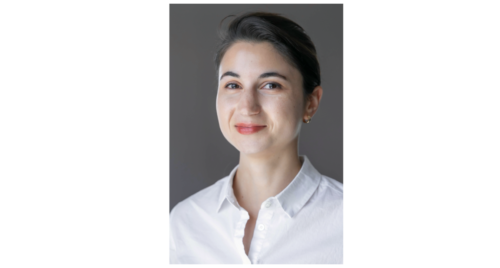
Simone Wien is a rising second-year Epidemiology MPH candidate who is spending her summer studying how gentrification in New York City has impacted children’s nutrition. She found her project through the city’s Department of Mental Health and Hygiene’s Epidemiology Scholar program. Read on to learn more!
Tell us about your APE project
I’m currently working on a data analysis project as an Epi Scholar with the New York City Department of Mental Health and Hygiene (NYC DOHMH) in the Division of Epidemiology, Bureau of Epidemiology Services. The goal of the analysis is to assess the relationship between gentrification in New York City and malnutrition in children under 5 years of age.
How did you find your APE?
A friend had participated in another NYC DOHMH program (HRTP) and loved it, and both programs were easily found on Handshake and The Confounder. I decided to apply to the Epi Scholars program because of its data analysis and methods focus. Both programs are offered every year!
How has your experience been so far? Has it been impacted by the COVID-19 pandemic, and if so, how are you adapting to those changes?
I’m currently in the third week of the program, and it has been phenomenal. My goal was to hone methods that we learned this past year, and that I get to learn from staff at NYC DOHMH has been a dream, even remotely. The program is typically in New York, so program staff and mentors communicate openly to facilitate as much online face-to-face time and training as possible, even as many of them are deployed for COVID-19 related duties. As participants, we keep in touch with each other via GroupMe and Zoom hangouts.
How did you survive lockdown and what’s the first thing you can’t wait to do once it’s safe again?
Emotionally, making the shift from anticipating an “end” date to focusing on what I need to do now to ensure the well-being of myself and those around me keeps me grounded in the present. Once it’s safe to do, I would love to cook for friends and see my family.
Thanks to Simone for taking the time to talk to us, and check back for more about our students’ APE experiences!
As usual, Emory EPI students have been hard at work this summer applying many of the lessons learned from their epidemiology methods courses and honing their analytical skill sets in action. However, with the ongoing COVID-19 pandemic and the precipitous rise in cases throughout the United States, many students have seized the opportunity to immerse themselves in frontline public health work. Our students are leveraging their knowledge and experience, and utilizing them to contribute to real-time COVID response and monitoring, in many different capacities and with numerous organizations.
The Department of Epidemiology and the Confounder team are excited to showcase the exceptional work students are doing locally to respond to COVID and support communities during this time in a new #WeAreEmoryEPI series. Throughout this series we will be highlighting groups of students contributing to these efforts in unique ways, including: students working with the Fulton County Board of Health’s COVID pandemic response on teams led by Emory faculty, Drs. Neel Gandhi, Sarita Shah, and Allison Chamberlain; the outbreak response team conducting COVID testing and education activities in Hall County led by Dr. Jodie Guest; a student group that has organized personal protective equipment distribution at Black Lives Matter rallies and protests in Atlanta; a student led COVID journal club; and more to come.
For our first feature in this series, we spoke with three of the Emory EPI students working with the Fulton County Board of Health (FCBOH) COVID response efforts. These students are directly engaged in front line epidemiology work, employing analytic and communication strategies to understand COVID’s impact on the local community and put together reports for the public. The students’ work has been greatly appreciated by faculty and the FCBOH team, and their work has received some much deserved recognition from Mayor Keisha Lance Bottoms, who recently tweeted several graphs produced by current EPI students and Emory EPI alumni in a recent Fulton Epi report.
— Keisha Lance Bottoms (@KeishaBottoms) July 12, 2020
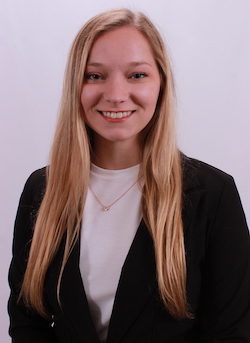
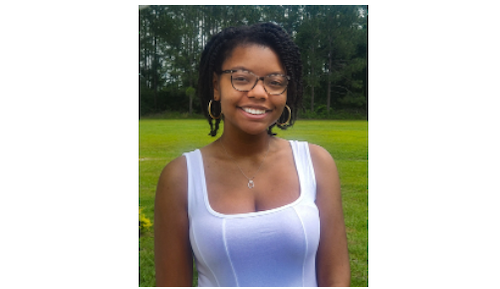
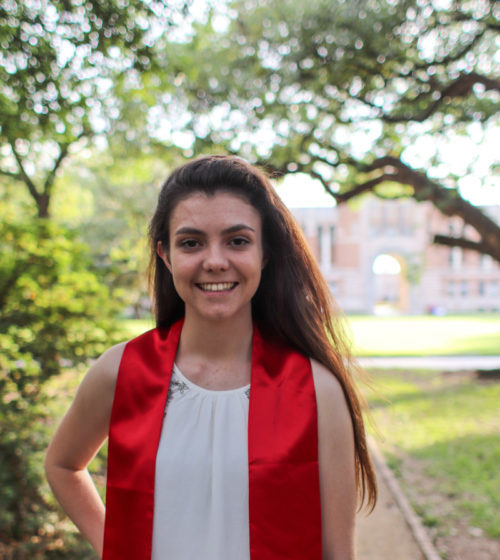
This week we spoke with Carol Liu, Maret Maliniak and Dallas Rohraff about their experiences working with FCBOH.
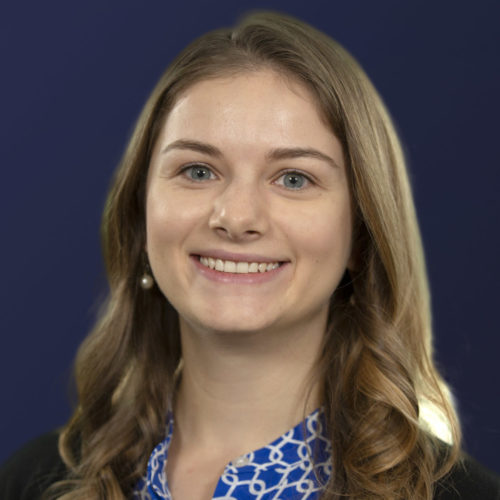
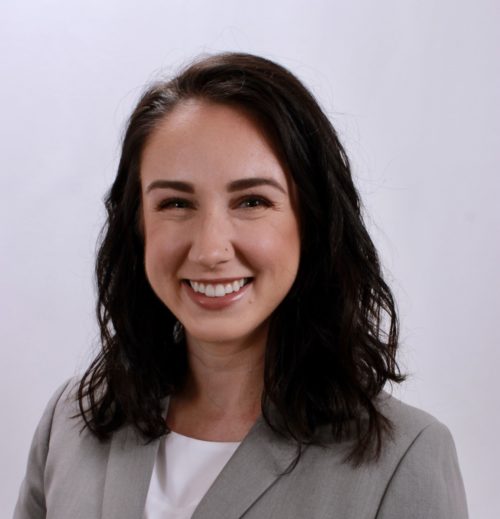
Carol Liu
Maret Maliniak
Dallas Rohraff
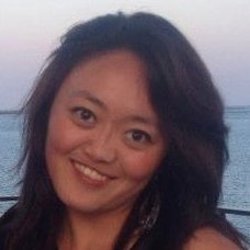
Left: Carol is a rising second year PhD student who earned degrees in Biology and Epidemiology from MIT and the London School of Hygiene and Tropical Medicine, and worked in a range of field-based global health roles before coming to Rollins.
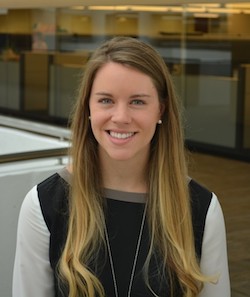
Middle: Maret is a rising third year PhD student, she received her MPH from Rollins in 2014, served as a clinical research coordinator at Emory’s adult cystic fibrosis clinic, and worked at the American Cancer Society then returned to Rollins to start her doctorate.
Right: Dallas is a second year of Global Epidemiology student, she studied Cellular and Molecular Biology at Grand Valley State University then worked in a medical research lab focused on autoimmune diseases at the University of Michigan before starting her MPH.
This summer Carol, Maret, and Dallas have played impactful roles supporting response teams of diverse public health actors, FCBOH epidemiologists, research staff, and Emory faculty and students. This has given them the opportunity to work in a fast paced environment, applying epidemiological methods in real-time analyses to respond to the ever-changing needs and challenges that arise in pandemic response. While many of their efforts have revolved around data collection, analytics, and surveillance activities, their work with FCBOH has underscored the importance of community engagement and the need for public health professionals to ground their work in the perspectives and experiences of the communities they seek to serve.
Q: Tell us about the team you have been working with this summer and what your role has been in the Fulton County’s response efforts.
Carol: About half of my work is dedicated to conducting case investigations. The other half is dedicated to producing analytics for Fulton County that describes trends in epidemiology of COVID-19 and key data-generating processes within the surveillance system. Recently, key information we’ve presented to the county is the changing age, race and geographical distributions among positive cases, somewhat parallel to national shifts. While information on the epidemiology of COVID-19 has received widespread scientific and media attention, information on the data-generating process itself can answer questions such as “what is the time delay between symptom-onset and the state receiving a case notification”, and is often important and valuable for the public health response.
Maret: I have had the pleasure of working with a group of highly motivated and driven students and staff from Emory and the Fulton County Board of Health led by Drs. Neel Gandhi, Sarita Shah, and Allison Chamberlain. I have had a small but important role conducting case investigations for those who have tested positive for SARS-CoV-2 in Fulton County.
Dallas: I have been fortunate to be able to work remotely on a revised version of my APE, which originally included traveling to South Africa to conduct monitoring and evaluation of a TB transmission research study. I now split my time between this project and working with the FCBOH on their COVID-19 response. I conduct case investigations for the county and have recently joined the Emory and Fulton County Board of Health Data Analysis and Visualization Team. Both of these projects are comprised of many individuals from different areas in public health. Working on this diverse team has allowed me to strengthen my skills and explore many facets of epidemiological work in a professional setting.
Q: What do you enjoy most about the work you’re doing?
Carol: One of my favorite parts of the work is calling potential case contact, or persons under investigation (PUIs). It’s rare that I get to interact directly with the individuals served by our public health systems. Calling PUIs and speaking to individuals who have been personally affected by the epidemic has placed a face and humanity to the numbers I’m often tasked to crunch.
Maret: While COVID-19 has been devastating for so many and the case interviews can be difficult at times, I really enjoy doing them and being part of this process. They give you an insight into people’s experiences that you just can’t get from looking at data alone.
Dallas: Calling patients has been very grounding for me and provided me with the unique chance to better understand the public’s perspective on COVID-19. I am grateful for the opportunity to work with the FCBOH this summer. It not only has allowed me to build upon my skills in a professional setting, but also provided me with an opportunity to directly contribute to the public health efforts related to the pandemic.
Q: What have been some of the most interesting or challenging moments that you’ve experienced working on the response efforts?
Carol:Having worked extensively in global health, it’s certainly a change to be involved in a frontline so close to home. The opportunity to learn first-hand about the pieces that form the local-level response to a pandemic in the US has been invaluable for me. At the beginning, one of the challenges was understanding the needs of FCBOH to ensure our work would be synergistic with existing work and capacity at FCBOH.
Maret: I learn something interesting and have challenges every day I do calls, so it is hard to narrow it down. I have heard heartbreaking stories of how this disease can spread among multiple family members with some recovering quickly and others being hospitalized and fighting for their lives on a ventilator. I have also had people express their frustration at the response and demand that more be done. And then of course there are many who do not answer the phone or hang up when they hear why I’m calling, so we’re always facing challenges of incomplete data and how we can better reach people to get these important data.
Dallas: Working on the local response with FCBOH has taught me that one of the biggest challenges we face is the rapidity at which the response efforts must adapt. As the pandemic progresses and we learn more, we need to ask new research questions, adjust to different policies and procedures, maintain thorough data collection in light of new information, and more. We are constantly faced with new challenges that cause us to adjust our work to provide help where FCBOH needs it the most. I have learned the significance of being flexible, adaptable, and inquisitive as a public health student and future professional.
Stay tuned for our next feature in this series as we continue to showcase the exceptional work our students are doing putting their skills to use on the frontlines of today’s public health challenges.
When the Confounder began almost 2 years ago, the editorial team decided from the beginning that we wanted to create a space to showcase what our amazing students, faculty, and staff were accomplishing both in their careers and in their lives outside of EPI. It is no wonder, then, that #IamEmoryEPI quickly became our most-read section of the Confounder – our community is an inspiring, innovative, and hard-working bunch, which makes for some exceptionally engaging reading.
Fast forward 2 years, and we have an update that, though mostly symbolic, is meant to place a special emphasis on our greatest quality: our community.
This week, our editorial team unanimously voted to re-brand #IamEmoryEPI as #WeAreEmoryEPI. This segment will continue to highlight students, faculty, and staff in the same way as it has in the past, but from now on will represent our shared journey and accomplishments in EPI as opposed to the individuals themselves whose stories we share. This also exemplifies our dedication at the Confounder to inclusion and diversity – our community includes epidemiologists and investigators of every color, nationality, and background. That diversity is our greatest strength and we look forward to sharing more stories that represent the true diversity of our community.
Thanks to our readers!
Editorial Team, The Confounder
If you are interested in being featured on #WeAreEmoryEPI, please complete the form below to be added to our highlight list!
For this week’s #InsideAPE feature, we are talking to Ajilé Owens about her project this summer!
Tell us about your APE project
I am currently working with Dr. Clasen’s research group on their child feces management (CFM) study in Odisha, India. The overall goal of the project is to design and implement a behavior change randomized controlled trial to encourage safe CFM. My role on the project is primarily data analysis.
How did you find your APE?
One afternoon, I sat and made a list of all the professors that I might be interested in working with. I reached out to all of them, met with most of them, and decided to follow up with Dr. Clasen. He was super helpful in pointing me in the direction of the different project leads who then gave me so much information about the team’s available projects!
How has the pandemic changed the scope of your project?
The pandemic has completely shifted the focus of the project but in the best way! I was originally planning to travel to India to conduct a process evaluation. While I’m sad I didn’t get to go to India, I now get to work on a COVID-19 sub-study, researching how a pandemic might impact sanitation behaviors. This work is so important right now and my team is so supportive and collaborative that I could not be happier.
How did you survive lockdown and what’s the first thing you can’t wait to do once it’s safe again?
During this lockdown, I’ve really prioritized taking care of myself, unlike during this semester. I started taking running more seriously and I now spend more time focusing on my health and nutrition. I also get so much more sleep! But, once it’s safe again, I would seriously love to make a whole evening of going to the movies. My living room is pretty much a dine-in theater, but it’s definitely not the same!
Thanks to Ajilé for her time, and stay tuned to next week’s Confounder for our next #InsideAPE feature!
Today I caught up with Epi Master’s student Teresa Smith regarding her APE project this summer!
Tell us about your APE project
I am working with Dr. Spaulding and the Center for Health of Incarcerated Persons to surveil the status of COVID-19 in jails across the state of Georgia. We are working with stakeholders at the jails and the Department of Health to ensure that cases are getting properly reported. We are also providing support to jails on best practices for infection control. Incarcerated people make up a vulnerable population in this epidemic both because they are more likely to have co-morbidities that could lead to more severe manifestations of COVID-19 and because it is difficult to practice effective social distancing measures while living in the jails.
How did you find your APE?
I initially signed up to be a volunteer caller for the project but when I found out there may be APE opportunities I reached out to Dr. Spaulding and she took me on!
How has your experience been so far?
It has been great! Most of what I do is coordinate the volunteer caller efforts to the jails. It has been incredible to see the passion that all of the Rollins students as well as nursing and medical students that care deeply about the cause and volunteer an hour or two every week to help us collect good data. One of the many reasons to love the Emory community!
How did you survive lockdown and what’s the first thing you can’t wait to do once it’s safe again?
Thus far, my roommate and I keep our sanity with daily neighborhood walks, weekly banana bread baking, and lots of zoom calls/happy hours with friends! We also bought some porch furniture which was a game-changer. The first thing I’ll do once it’s safe again is probably have a reunion with my undergraduate friends (we had one scheduled in early April).
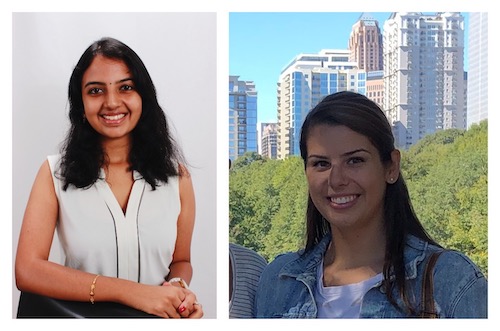
Today we’re talking to Manasvi Sundar and Allie Tuttle, rising-second year EPI MPH students who won the COVID19 Hackathon!
What were you doing before attending Rollins?
Manasvi: I completed my undergraduate degree in Biomedical Engineering in India before joining Rollins.
Allie: I was working as a data analyst at a biotech startup called Tempus before coming to Rollins.
Can you tell us more about your past and current research and academic interests?
M: My research interest involves improving diagnostic and testing practices, and their availability for infectious and non-communicable diseases.
A: I’m interested in genetic and molecular epidemiology, specifically in the context of cancer and other chronic diseases. I’m also interested in issues surrounding vaccine hesitancy, and am especially intrigued about how vaccine uptake will be affected by this pandemic. On a broader scale, I’m interested in leveraging big data to inform treatment decisions and guidelines across multiple diseases.
For those who missed it, can you explain the details of the hackathon and what your project entailed?
M + A: The hackathon provided an opportunity to come up with any solution that will prove to be useful during the COVID-19 pandemic. Our project idea was a method for businesses to track their building occupancy and communicate it along with wait-time (if applicable) real-time with their customers via an app. This will help customers make informed and health conscious decisions and promote social distancing in public places.
When did you hear of the hackathon and how long were you working on CAPACIT leading up to the competition?
M: I heard of the hackathon through the email from EGHI (Emory Global Health Institute) and found my team through Allie. We had a week to work on the project idea for round 1 and another week to fine-tune our pitch for the finals.
A: I first heard about the hackathon in an email from the Emory Global Health Institute (EGHI) and happened to be sitting with my sister, who’s an undergrad at Georgia Tech, when I read it. She had a team from GT that was interested in participating and they needed team members from Emory. Manasvi and I had just worked together on our final project for Epi 535, so I was thrilled when she joined the team. We had a week to come up with the initial problem solution, and once we were chosen as finalists we spent another week fine-tuning our idea and pitch.
What is the plan for the app’s development moving forward, and what is your vision for its implementation?
M: We are now a part of the CreateX start up launch program and we hope to tackle the technological hurdles and come up with a business plan during this summer so that we can launch the app as soon as possible.
A: We hope to make CAPACIT available sooner rather than later as parts of the country begin to reopen. We believe people want to be socially responsible in the midst of this pandemic, but may not always have the means to do so. Our vision for CAPACIT is as a tool that can be used by both businesses and consumers to make informed decisions that protect the public health.
How did your experiences during your first year at Rollins help you with the CAPACIT project?
M: My experience at Rollins and participating in the case competition organized by EGHI helped me in shaping the idea and thinking critically to identify weak points in our proposal.
A: My experiences at Rollins have taught me how to examine an issue through multiple lenses and to be aware of perspectives that are missing in a working group. This was helpful in developing our project idea as it allowed us to identify areas we didn’t understand fully and needed to seek out additional information for.
How are you passing spare time while social distancing this summer? Are there any tips you can share?
M: I have 2 jobs during this summer and I’m also actively working to implement the CAPACIT app – so my time is pretty much divided among these. Other than that, I sing, read, cook and workout. These activities have been great stress busters! My tip is to attempt to mimic the structure someone else might have. Find out what works for you! And also, don’t succumb to the pressure to “be productive during the lockdown.”
A: For better or worse, I actually haven’t had much spare time this summer- in addition to the work we’ll continue doing on CAPACIT, I’m finishing up one of my APE deliverables, just started working part-time as a contact tracer, and will be starting another job soon. Keeping busy has been really helpful for me mentally during this lockdown, but I’d echo Manasvi’s sentiments that you shouldn’t feel pressured to be productive 24/7. Working from home can be difficult because it feels like there’s always more to be done, so I’ve found that setting an end time for your work each day is extremely beneficial to maintaining a semblance of work/life balance.
Now that the semester has officially ended and students look excitedly toward applying the skills and knowledge they have honed over their first year of epidemiology training, the Confounder Team is excited to reintroduce a familiar #IamEmoryEPI segment: #InsideAPE. We will be profiling students on a biweekly basis throughout the summer to share the important work they are doing, as well as their creativity and resiliency in adapting their APE project plans during the current pandemic.
While we look forward to reading about all of the exciting, new projects our students will be working on in the coming months, let’s look back at some of the great projects our Class of 2020 students worked on last summer:
“My project is called “Assessing Barriers and Facilitators to Integrating Mental Health Services and Related Guidelines into HIV Clinical Care among HIV Providers in Bangkok, Thailand” and… As the principal investigator, I am responsible for everything from study design, IRB compliance, data collection, and data analysis.”
“My role has primarily been researching and updating the state’s 12 Vital Signs and the associated intervention strategies and policy recommendations that local health councils can pursue. Tennessee’s Vital Signs are a set of 12 metrics selected to measure the pulse of health in Tennessee (examples include preventable hospitalizations, infant mortality, youth obesity, and access to parks and greenways). “
Cassie Kersten(GLEPI ’20) & CDC Division of Global Migration and Quarantine
“For my project, I am collaborating with the Division of Adolescent and School Health to examine the presence of policies and procedures in public school districts that would facilitate the implementation of non-pharmaceutical interventions (NPIs) in the case of a pandemic. By examining these factors in relation with geographic region, urbanicity, district enrollment size, and socioeconomic status indicators, we hope to identify opportunities for improving pandemic preparedness and response plans in school districts.”
“This summer, I am splitting time between two organizations, CSIS and the World Bank Group, where I research topics related to global health security. I contribute to the writing of new publications and multimedia through drafting and editing of products including topical analysis, reports, discussion papers, commentaries, and website content.”
“The main goal of my APE is to implement a WASH themed summer camp for the youth in San Rafael. I am in charge of making lesson plans which include the activities and discussion questions that will engage the youth in WASH topics that directly affect them. … My other responsibility for the summer is to look through the logs and see how WASH behaviors and attitudes, such as how often school children wash their hands and whether or not a school bathroom has soap, changes throughout the school year.”
Be sure to tune in every other week for stories about how our students are addressing pressing public health challenges through their APEs!
Featured image from: https://webstockreview.net/explore/office-clipart-intern/
For this week’s #IamEmoryEpi spotlight, we met up with Brad Frueh!
Tell us a little bit about your academic history:
I was born and raised in Ohio, where I attended THE Ohio State University. I studied Health and Wellness in my undergraduate degree and became more interested in public health after doing research with an pharmacoepidemiologist.
What are your primary research interests?
I am mainly interested in Cancer Epidemiology, specifically investigating risk factors for colorectal cancer. I am interested in using novel research methods like metabolomics and genome sequencing to answer relevant and interesting questions in cancer epidemiology.
How have you been navigating the work from home experience during the COVID-19 outbreak?
I was a little nervous about online classes when they first announced the transition to remote learning. As an introvert, I can personally say that classes have been more enjoyable so far. I will say I do miss seeing all of my friends in person!
Are there any exciting projects that you are currently working on?
I recently was offered an NCI Fellowship to work at MD Anderson for 10 weeks this summer in the MD Anderson Cancer Prevention Research Training Program. I will be working on a project with Dr. Carrie Daniel- a Nutritional Epidemiologist at MD Anderson- working on several of her studies. I’ll be working on a variety of projects on nutrition, metabolomics, and the microbiome. It’s a great opportunity to learn from an experienced researcher!
What is your favorite part about earning your MPH at Rollins?
My favorite part about studying at Emory is the high quality of our education and the instant brand recognition that Emory provides. I’ve spoken to mentors that have had Rollins students. and they are always excited to take on more because of the great track record Rollins students have had!
What advice do you have for people who may be interested in getting their MPH?
I would say that an MPH is a multidisciplinary field that can be applied to a broad range of problems. No matter what you studied in undergrad, if you want to make an impact in people’s lives, an MPH is a great way to do that.
What books are you currently reading, or what podcasts are you currently listening to?
I’m currently reading Applied Regression Analysis 5th edition, Modern Epi, and Advanced Cancer Epidemiology 3rd edition. But seriously I don’t usually find the time to read for fun during the semester. I am currently listening to Joe Rogan, The Adam & Dr. Drew Show, and NPR’s Up First on the regular.
What are three fun facts that you want people to know about you?
I have a twin brother. Yes I am older. No we do not look identical.
I am a big Guinness Beer enthusiast, and spent 2 weeks in Ireland last summer drinking it from the source
I come from a musical family. All of my family members play instruments. I play guitar, cello, trumpet, and bass guitar, all proficiently, though I am out of practice!
For this week’s #IamEmoryEpi spotlight, we met up with Nellie Garlow!
Tell us a little bit about your academic history:
I was the second class to graduate with a public health degree from Franklin & Marshall College, which meant I got to help shape the major and take a lot of experimental public health classes. In one of my favorite courses, I learned the ins and outs of the local Drug Courts program by sitting in on hearings, talking with graduates, and attending lectures taught by the judge.
What are your primary research interests?
I am primarily interested in applied epidemiology and the intersection of epidemiology and activism. Topically, I have focused a lot on maternal/child health and substance use disorder, and am hoping to expand my portfolio to include STIs and reproductive health.
How have you been navigating the work from home experience during the COVID-19 outbreak?
I consider myself a very social person, so when we changed to an all-remote environment, I knew it’d be important for me to join virtual communities. I have felt very energized being part of the Epi COVID Journal Club that I help run as well as a student group that advocates for local politicians to follow the evidence when making decisions about reopening businesses. Staying at home all day is challenging, but feeling like I can make a difference in my community is why I get out of bed in the morning.
Are there any exciting projects that you are currently working on?
I just started working with Dr. Allison Chamberlain and the Fulton County Board of Health to analyze survey data from the 2019 Atlanta Pride Festival. I believe it is critical to understand how local public health departments operate and am excited to pitch in with their surveillance efforts.
What is your favorite part about earning your MPH at Rollins?
The diversity of learning opportunities available both inside and outside of the classroom. For instance, I am learning core programming skills through my classes and am going to apply them when I intern this summer with the Georgia Department of Public Health’s MCH Epi team.
What advice do you have for people who may be interested in getting their MPH?
Don’t be afraid to take your time when deciding which master’s degree to pursue! I took off 5 years after undergrad because I wanted to be sure the degree I picked was going to help me build a strong future and new skills.
What books are you currently reading, or what podcasts are you currently listening to?
I am currently reading “Where Peachtree Meets Sweet Auburn: A Saga of Race and Family” by Gary M. Pomerantz. Before moving here, I asked a colleague who was from Atlanta what books I should read to help me understand the history of the city. She said that this book was a must read.
What are three fun facts that you want people to know about you?
I used to host concerts in my living room when I lived in Washington, DC
I have lost my car so many times in the Michael Street lot that I now only park on the roof
I have listened to every episode of the “Modern Love” podcast by the New York Times
For this week’s #IamEmoryEpi spotlight, we met up with Sydney Brady!
Tell us a little bit about your academic history:
I completed my Bachelor of Science in Microbiology at Clemson University in 2017 (go tigers!)
What are your primary research interests?
My primary research interests are in infectious disease epidemiology, as well as methodology studies within epidemiology.
What are you looking forward to as we approach the end of Spring Semester?
Graduation!!
Are there any exciting projects or experiences you are involved in right now?
I currently serve as an intern for the Georgia Department of Public Health on their foodborne disease surveillance team. I help to collect data on reports of common foodborne diseases in the state of Georgia, such as Salmonella, E. coli and Campylobacter. Working at the state level has been an amazing opportunity to combine classroom knowledge with real-life epidemiology experience..
What is your favorite part about earning your MPH at Rollins?
I enjoy learning from my peers who come from different backgrounds and cultures all over the world. With Atlanta being a major public health hub, it has been a really awesome experience being able to work with people who bring different points of view to the table in order to address current public health topics and issues.
What advice do you have for 1st year MPH students?
My advice would be to take a class outside of your comfort zone or interests. Although two years in the MPH program seems like a long time, it goes by quick! It’s a rewarding experience to learn and develop new skillsets in a topic that you were previously unfamiliar with.
My other piece of advice would be to not forget to spend time on self-care! Find something you enjoy doing outside of the classroom that can help you to refocus and recharge.
What books are you currently reading, or what podcasts are you currently listening to?
My favorite author is Stephen King, and I am currently reading Salem’s Lot. I also enjoy listening to the Sword and Scale podcast (I am a true crime junkie).
What are three fun facts that you want people to know about you?
My favorite place to vacation to is the beach.
I’m a self proclaimed crazy cat lady.
I have attended over 10 Kenny Chesney concerts (and counting).
Warning: Attempt to read property "comment_ID" on null in /wp-ebs-storage/webroot/wordpress/wp-content/plugins/subscribe-to-comments/subscribe-to-comments.php on line 72
Warning: Attempt to read property "comment_author_email" on null in /wp-ebs-storage/webroot/wordpress/wp-content/plugins/subscribe-to-comments/subscribe-to-comments.php on line 592
Warning: Attempt to read property "comment_post_ID" on null in /wp-ebs-storage/webroot/wordpress/wp-content/plugins/subscribe-to-comments/subscribe-to-comments.php on line 593
Warning: Attempt to read property "comment_ID" on null in /wp-ebs-storage/webroot/wordpress/wp-content/plugins/subscribe-to-comments/subscribe-to-comments.php on line 72
Warning: Attempt to read property "comment_author_email" on null in /wp-ebs-storage/webroot/wordpress/wp-content/plugins/subscribe-to-comments/subscribe-to-comments.php on line 592
Warning: Attempt to read property "comment_post_ID" on null in /wp-ebs-storage/webroot/wordpress/wp-content/plugins/subscribe-to-comments/subscribe-to-comments.php on line 593
Warning: Attempt to read property "comment_ID" on null in /wp-ebs-storage/webroot/wordpress/wp-content/plugins/subscribe-to-comments/subscribe-to-comments.php on line 72
Warning: Attempt to read property "comment_author_email" on null in /wp-ebs-storage/webroot/wordpress/wp-content/plugins/subscribe-to-comments/subscribe-to-comments.php on line 592
Warning: Attempt to read property "comment_post_ID" on null in /wp-ebs-storage/webroot/wordpress/wp-content/plugins/subscribe-to-comments/subscribe-to-comments.php on line 593
Warning: Attempt to read property "comment_ID" on null in /wp-ebs-storage/webroot/wordpress/wp-content/plugins/subscribe-to-comments/subscribe-to-comments.php on line 72
Warning: Attempt to read property "comment_author_email" on null in /wp-ebs-storage/webroot/wordpress/wp-content/plugins/subscribe-to-comments/subscribe-to-comments.php on line 592
Warning: Attempt to read property "comment_post_ID" on null in /wp-ebs-storage/webroot/wordpress/wp-content/plugins/subscribe-to-comments/subscribe-to-comments.php on line 593
Warning: Attempt to read property "comment_ID" on null in /wp-ebs-storage/webroot/wordpress/wp-content/plugins/subscribe-to-comments/subscribe-to-comments.php on line 72
Warning: Attempt to read property "comment_author_email" on null in /wp-ebs-storage/webroot/wordpress/wp-content/plugins/subscribe-to-comments/subscribe-to-comments.php on line 592
Warning: Attempt to read property "comment_post_ID" on null in /wp-ebs-storage/webroot/wordpress/wp-content/plugins/subscribe-to-comments/subscribe-to-comments.php on line 593









Recent Comments