

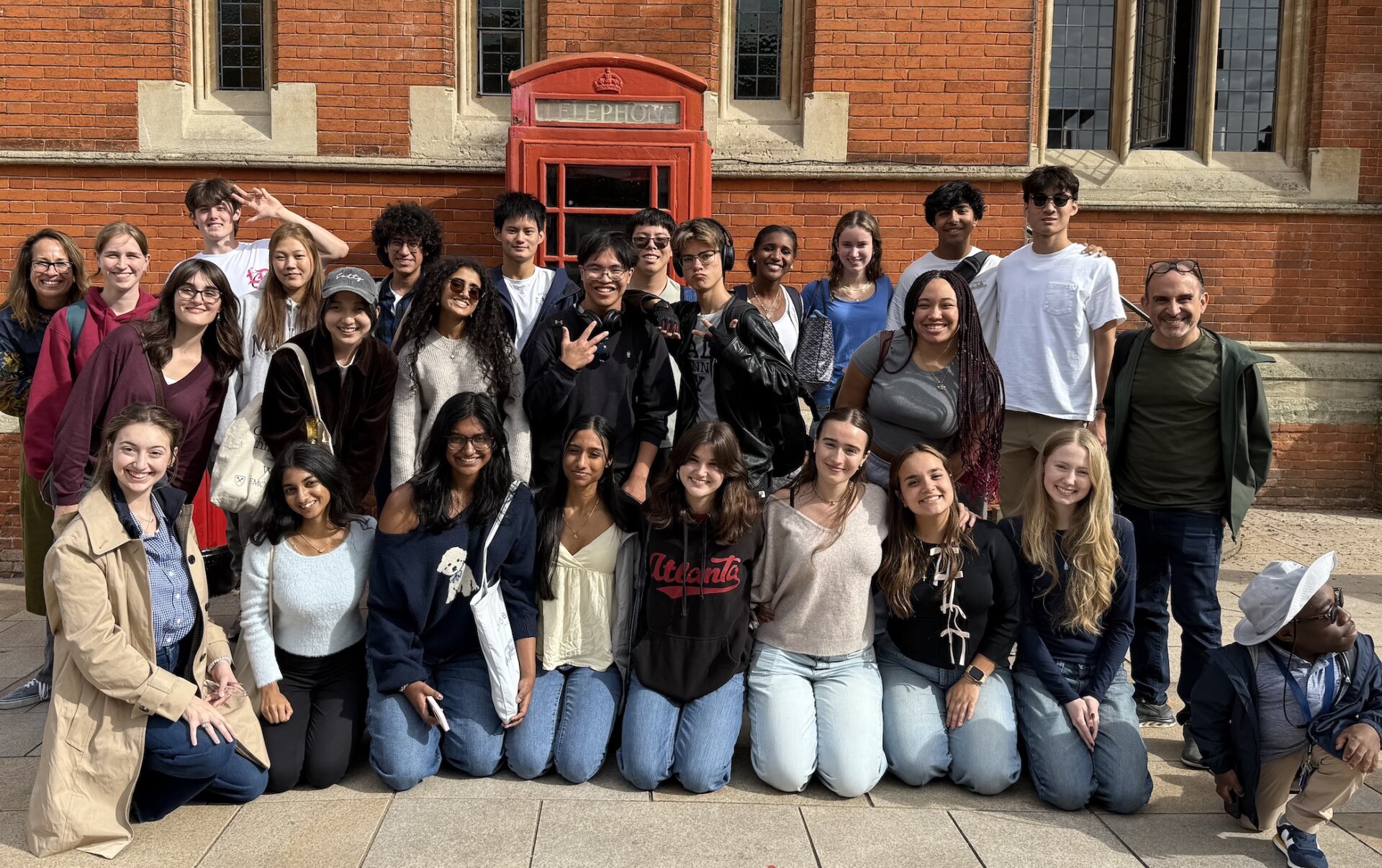

Shakespeare Road Trip to Stratford upon Avon, 6 September 2025
Thanks for sharing your pictures!








Dear London Shakespeare Scholars,
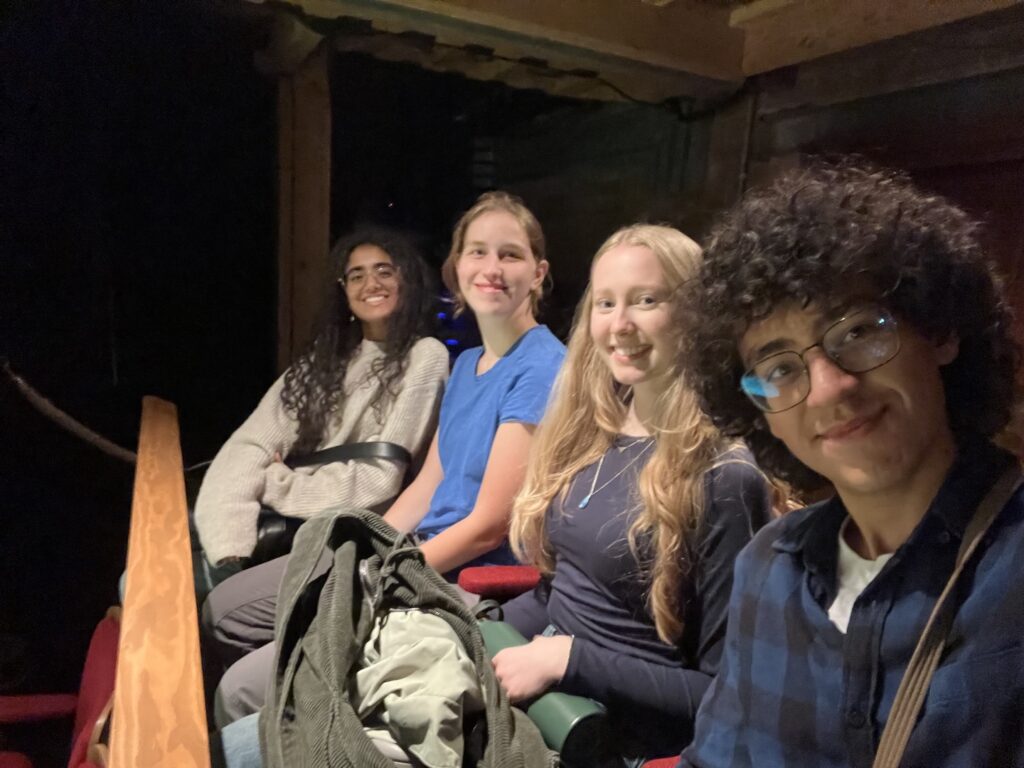
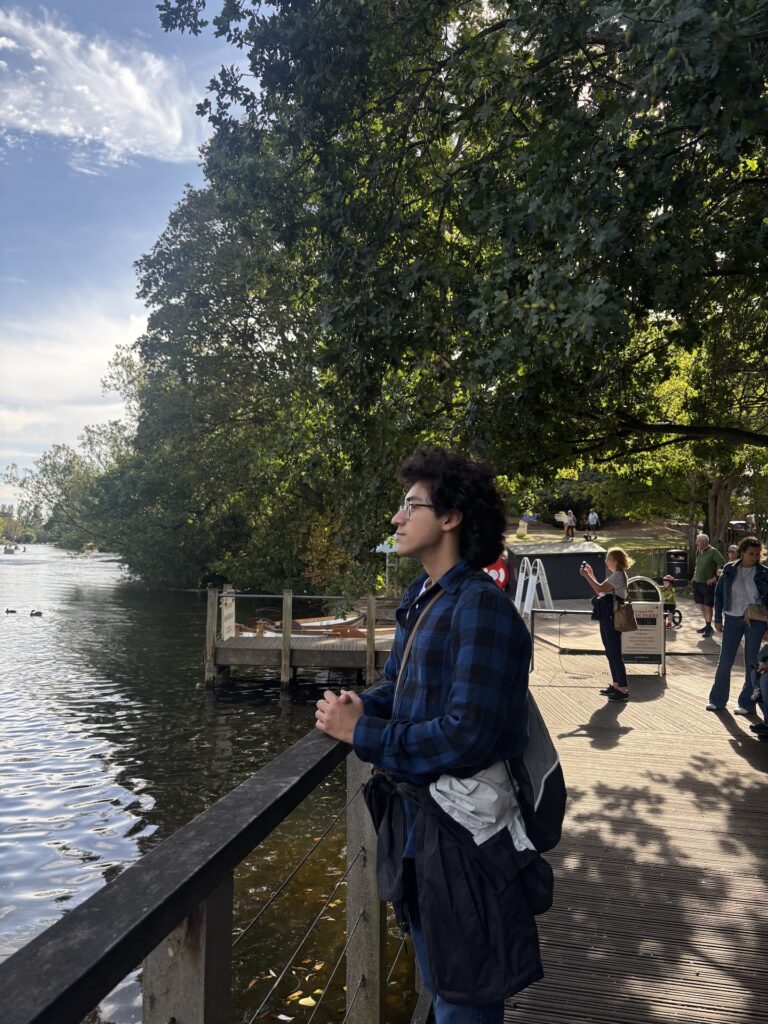
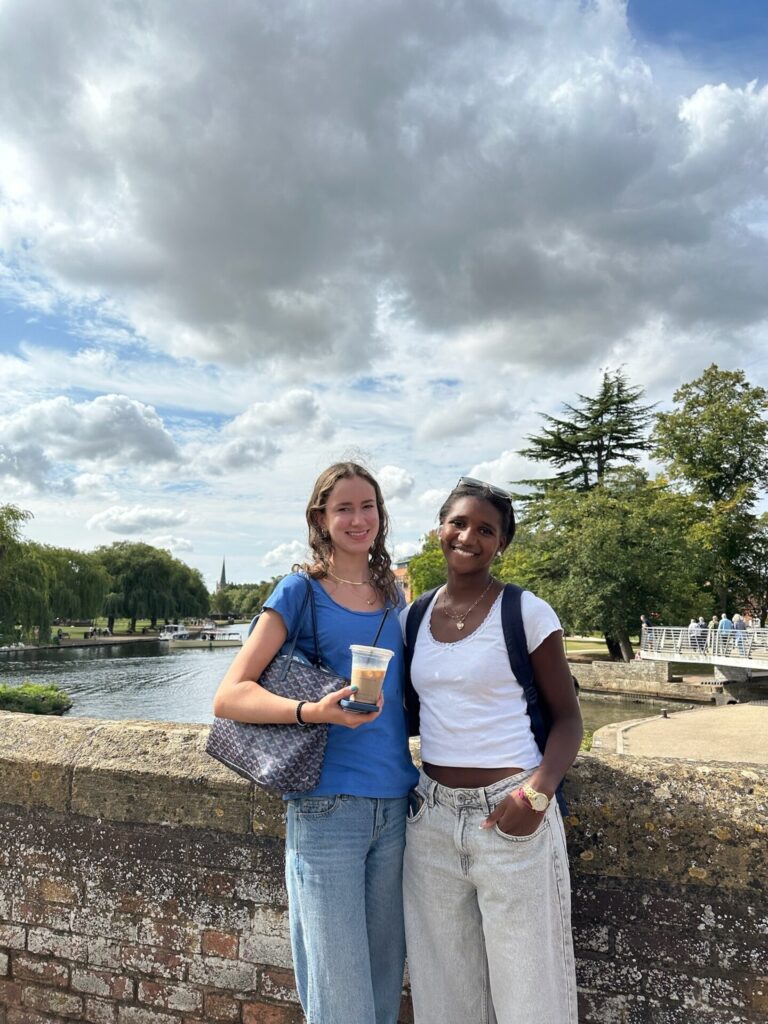
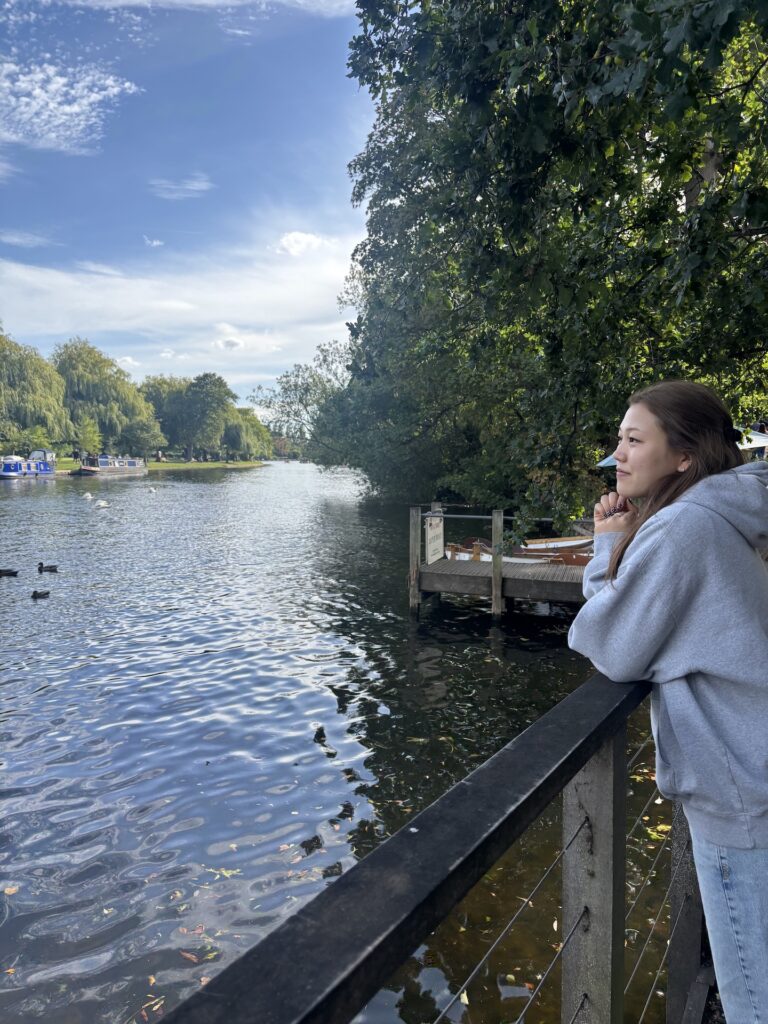
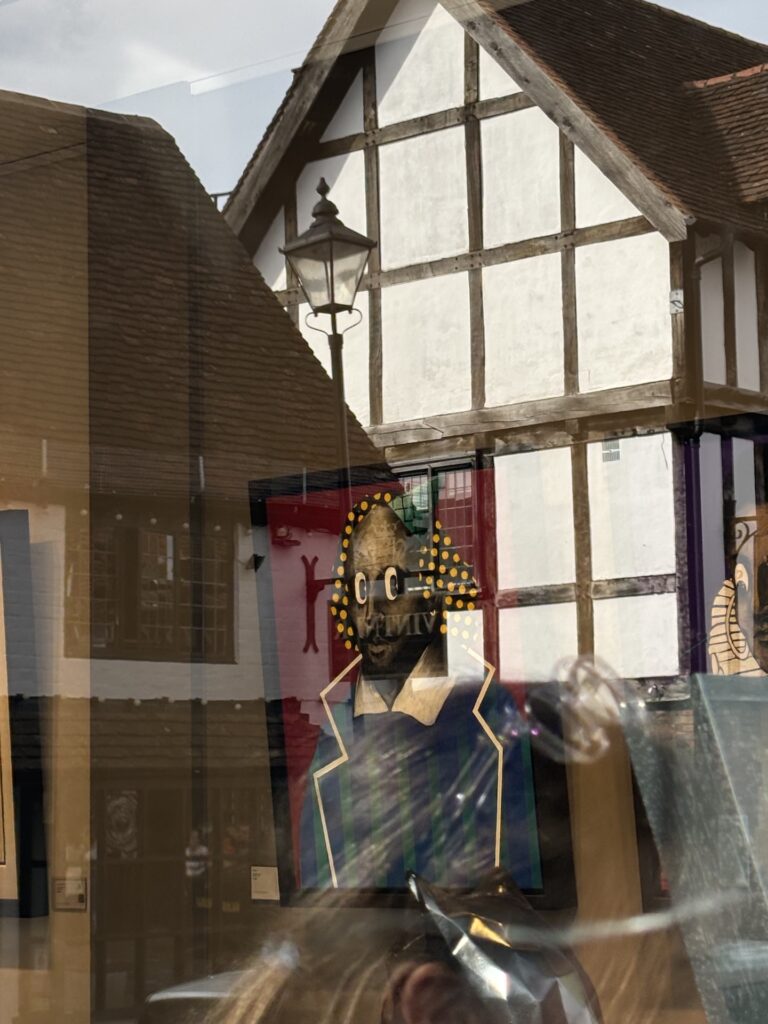
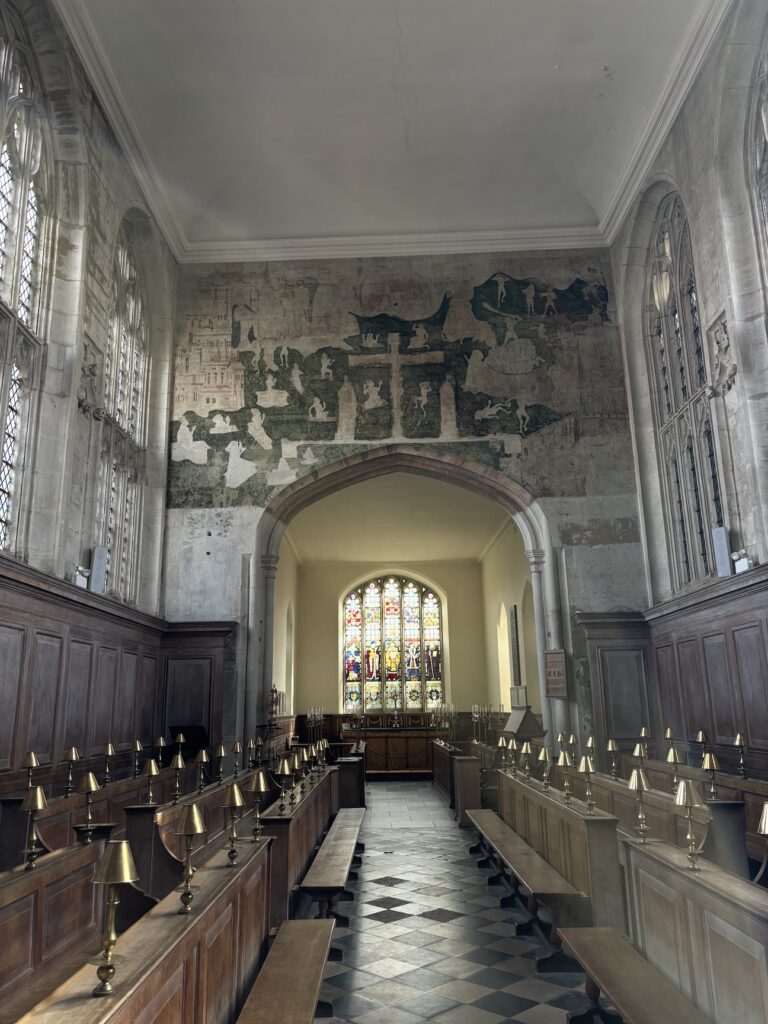
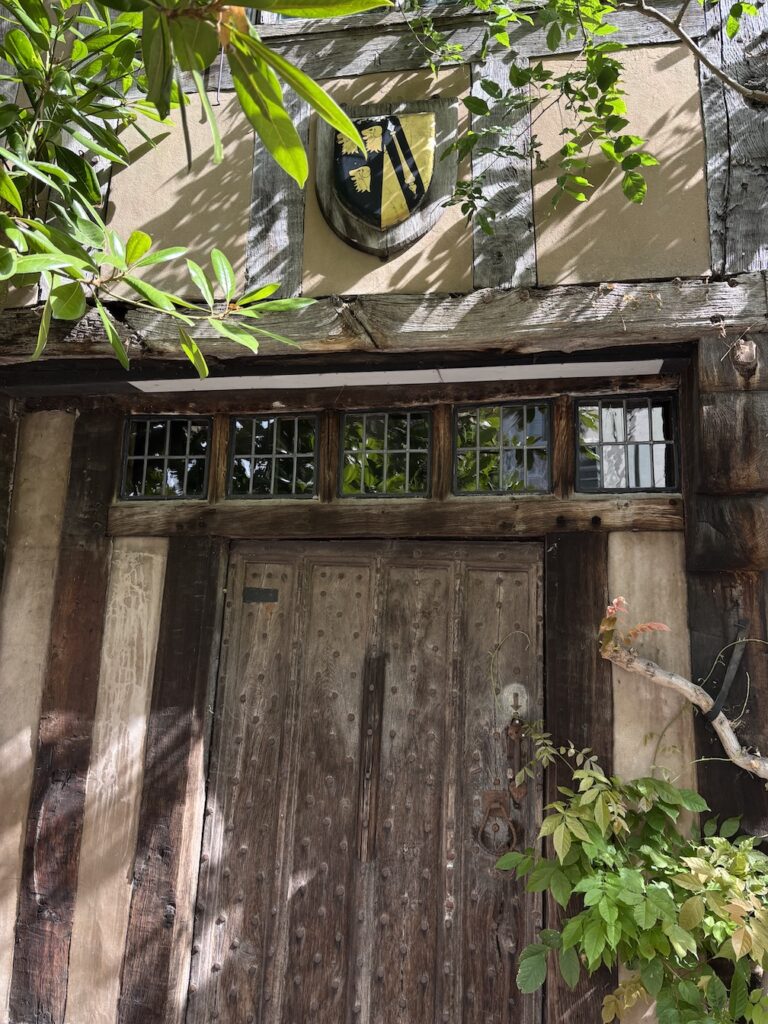
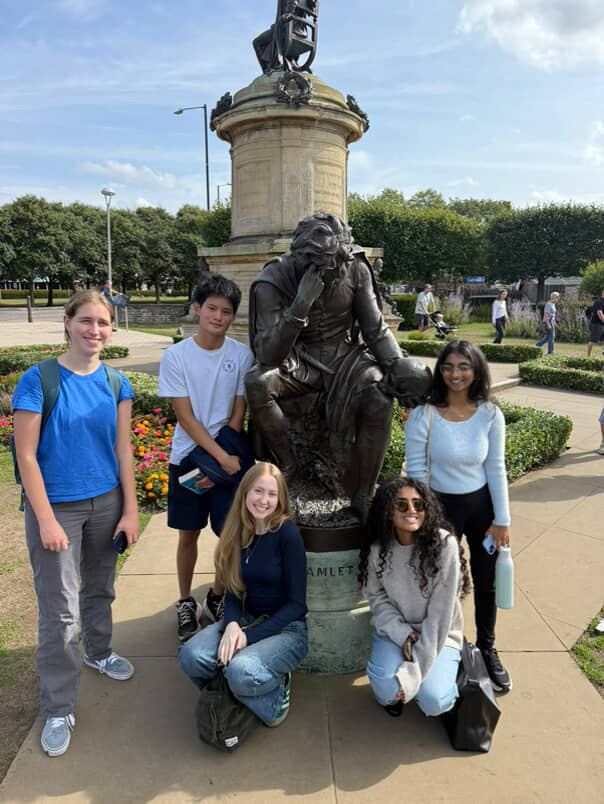
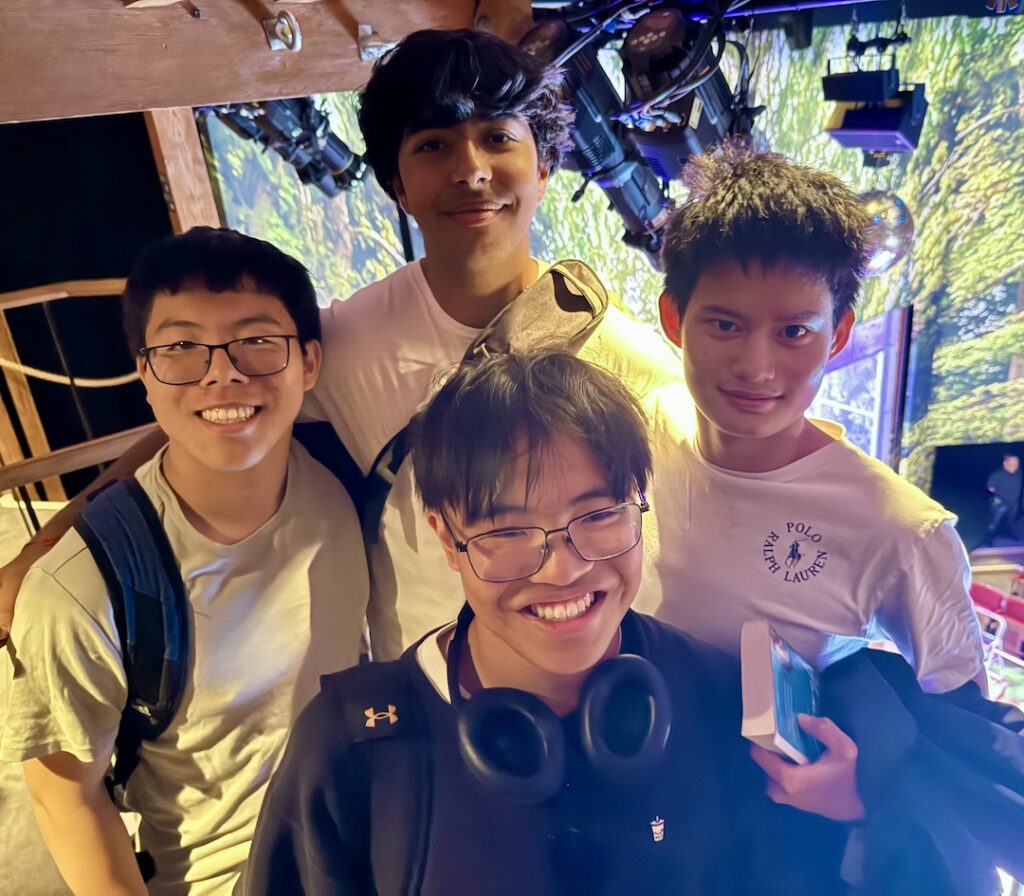
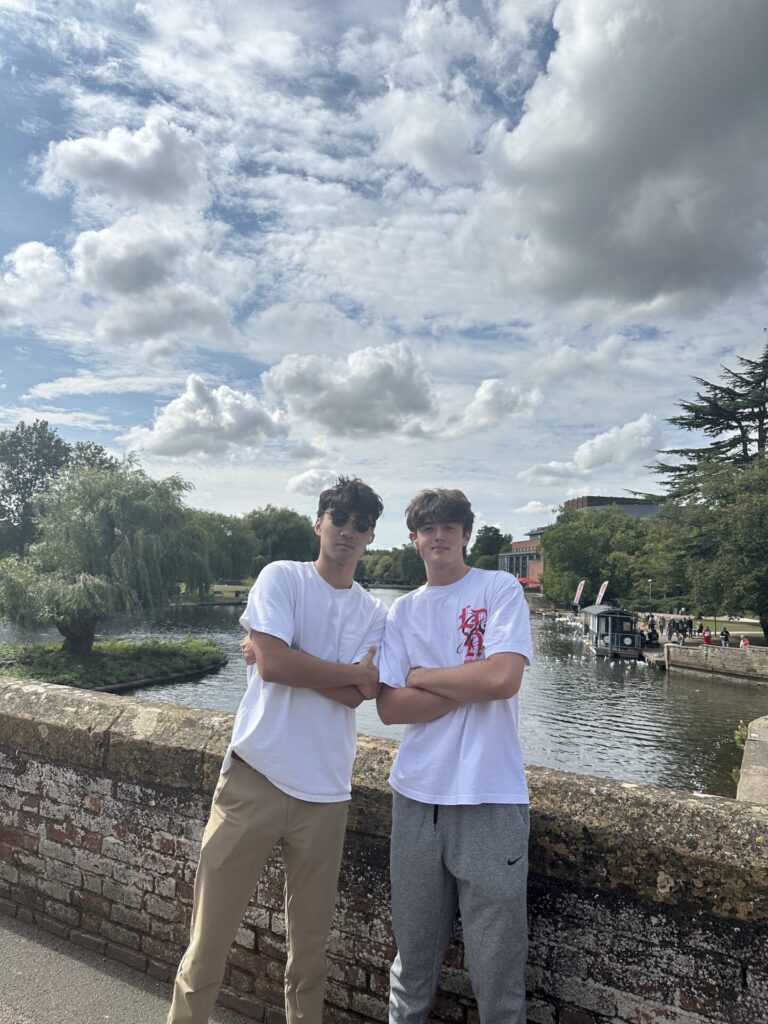
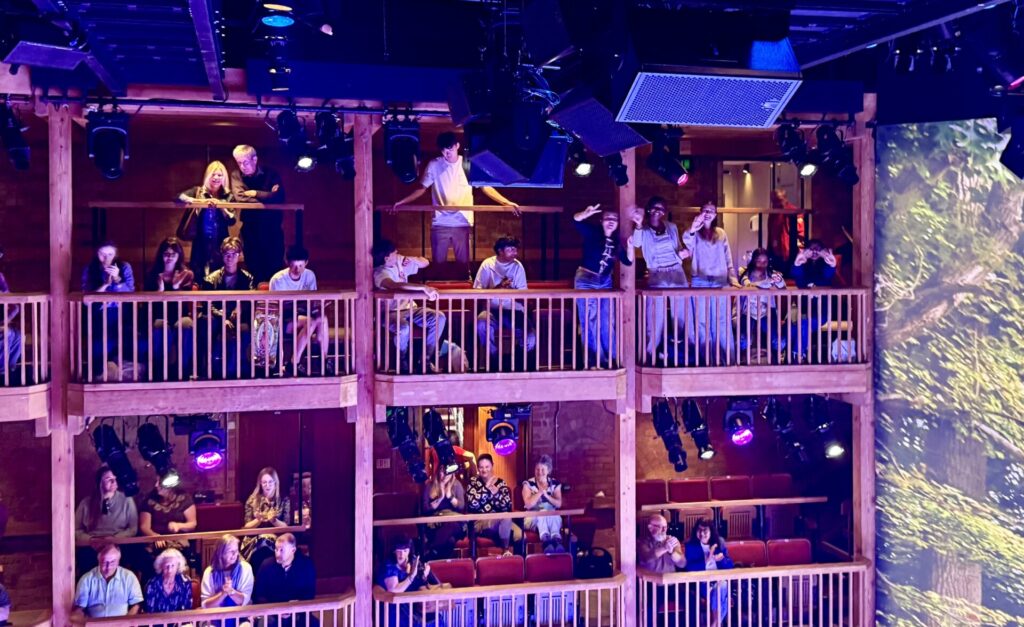
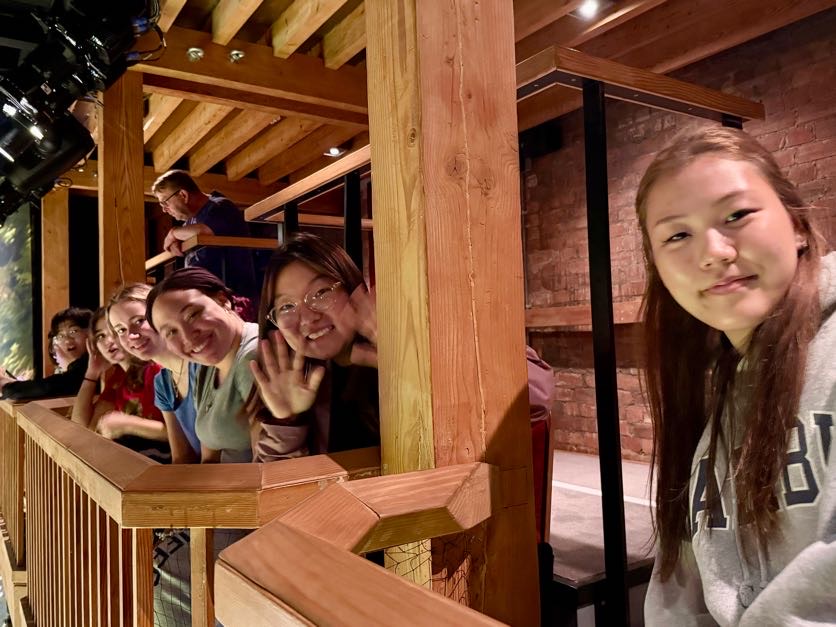
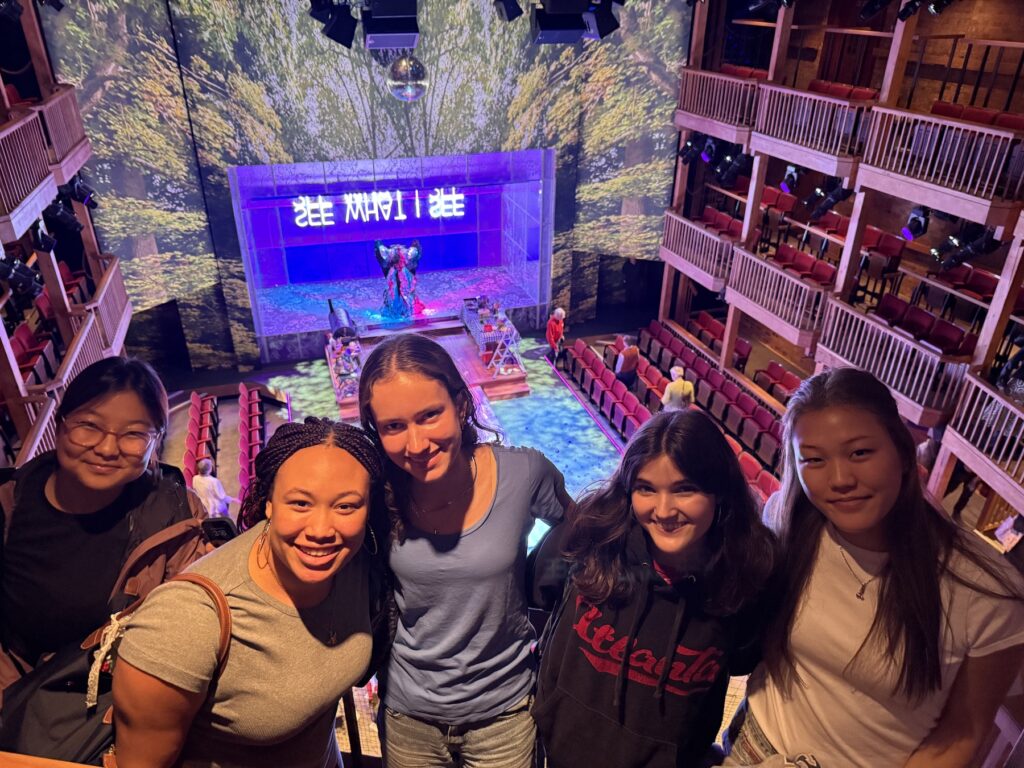
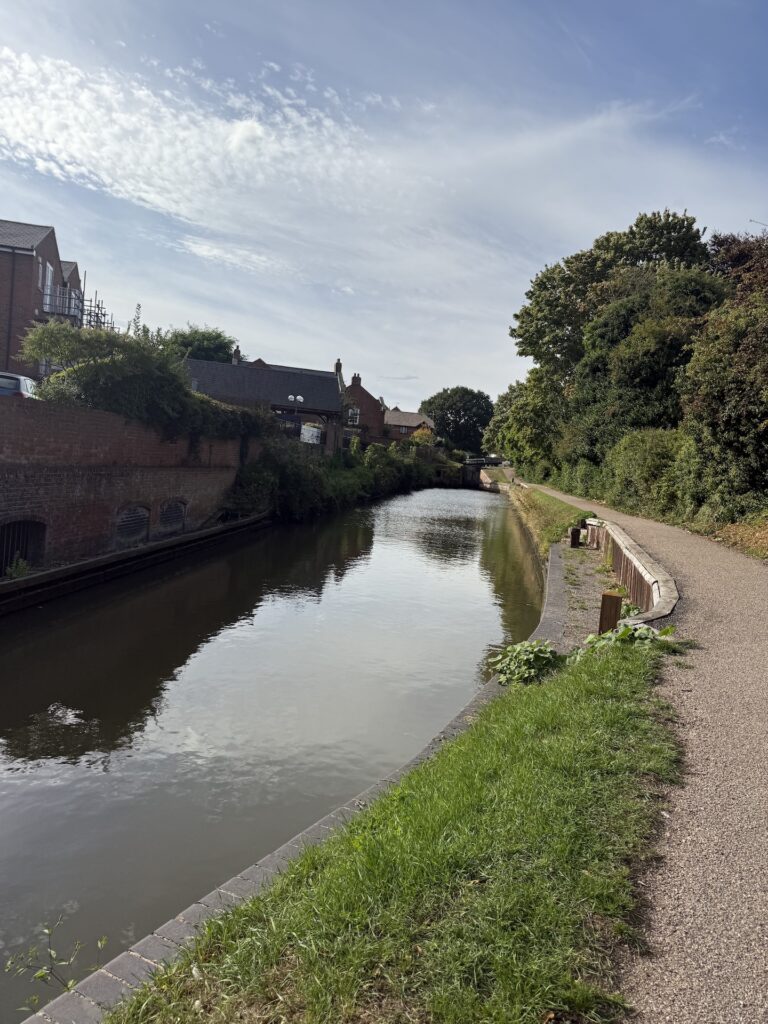
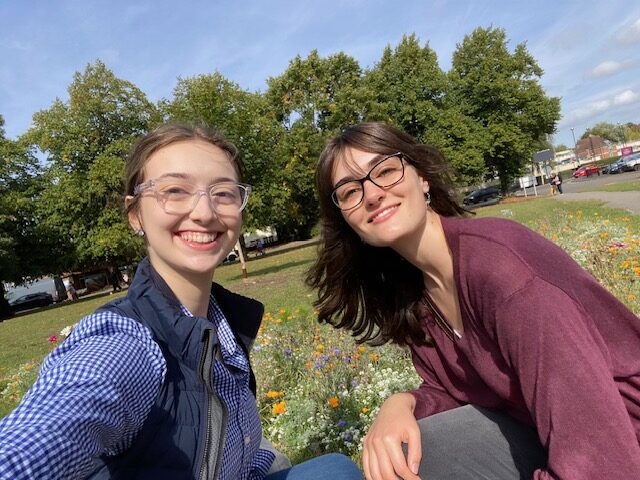
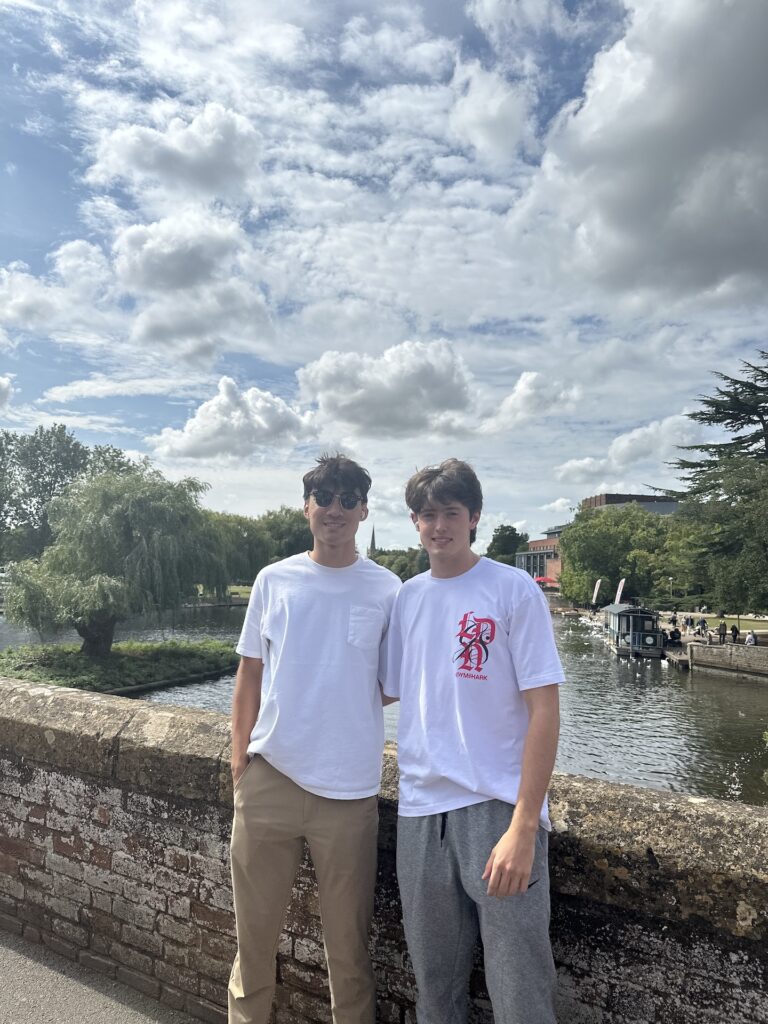
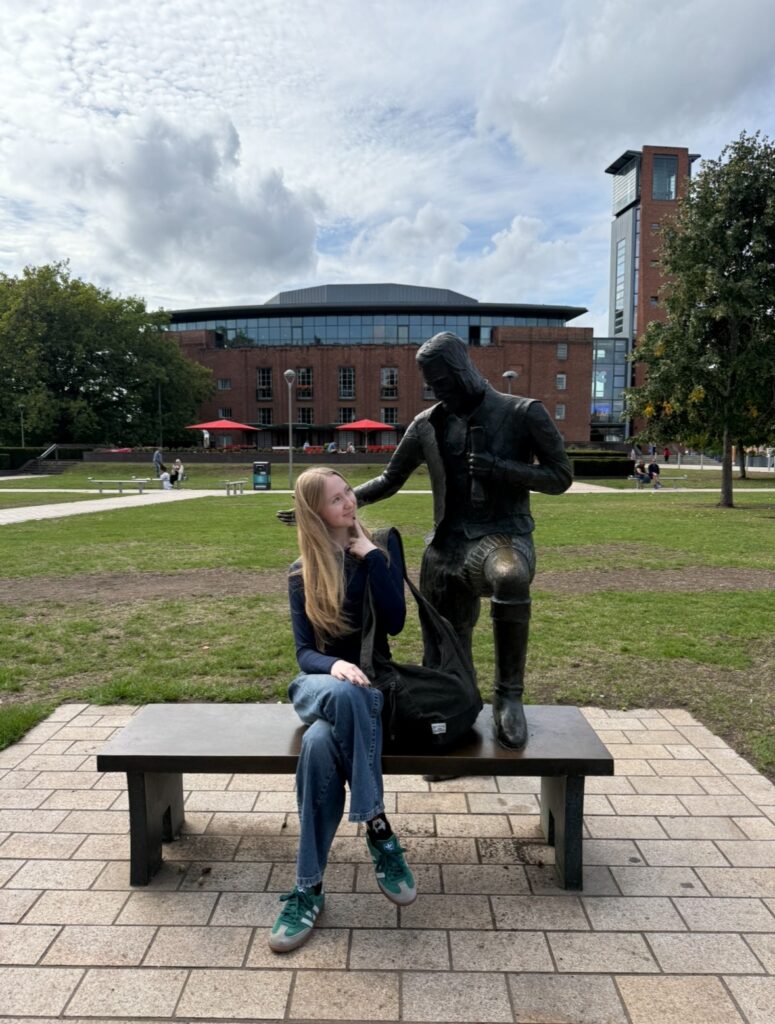
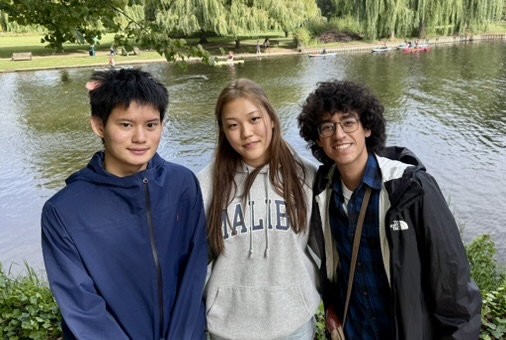
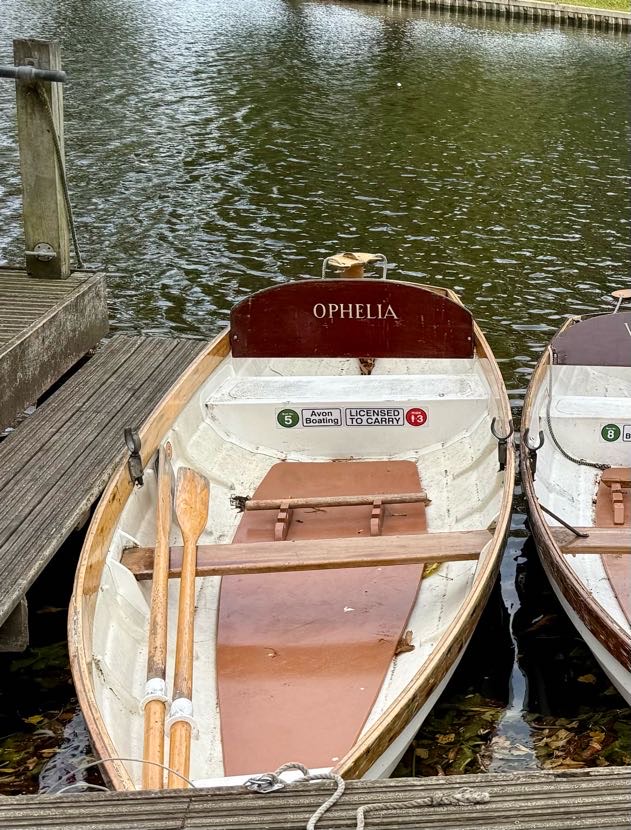
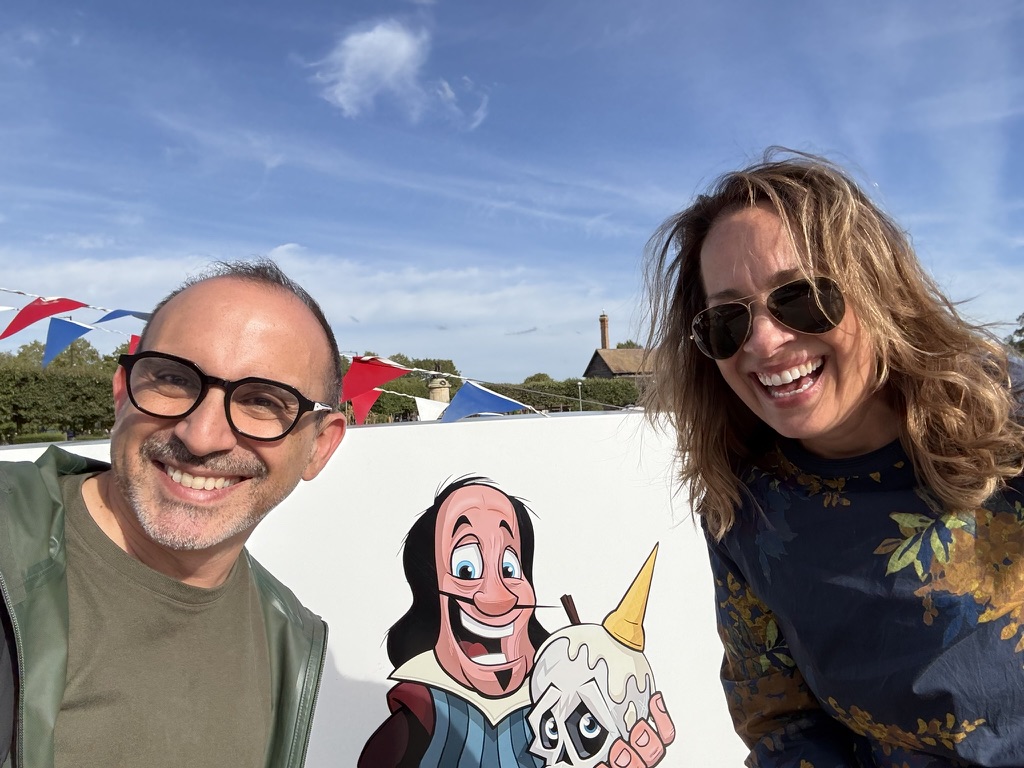
How wonderful to experience a lovely fall Saturday in Stratford upon Avon with you—twenty-six brilliant and alive minds moving through Shakespeare’s hometown, each seeing with eyes trained by different curiosities, stories, and inheritances. Together on our Shakespeare Road Trip, we traveled the same 104 miles that helped transform Will Shakespeare from a provincial boy into one of the world’s most famous authors. We saw James Ijames’ Fat Ham at the Royal Shakespeare Company, explored the medieval village, walked along the River Avon, enjoyed ice cream, and had a day of perfect sunshine.
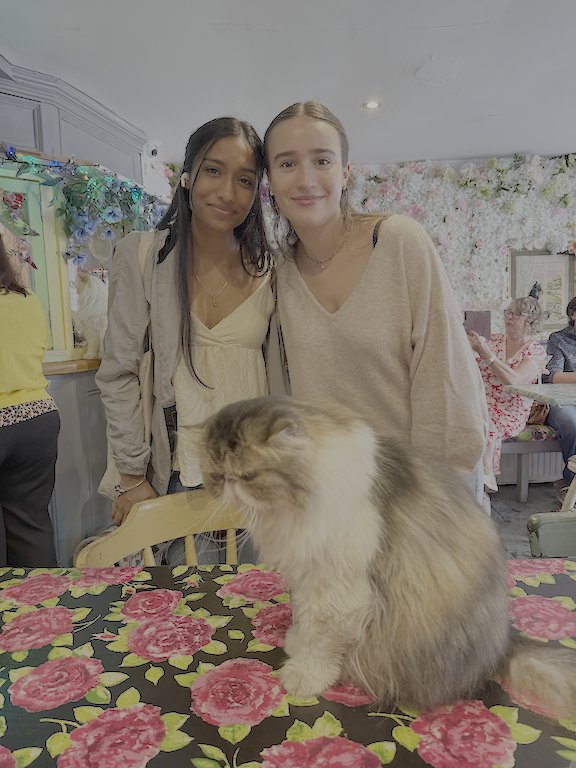
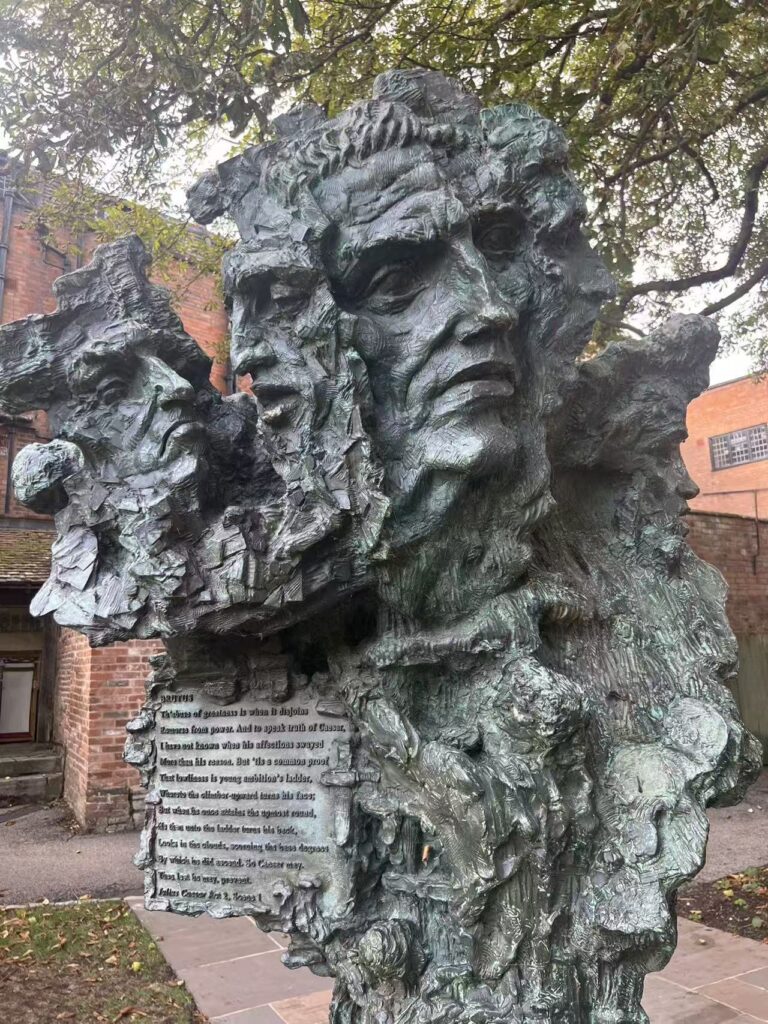
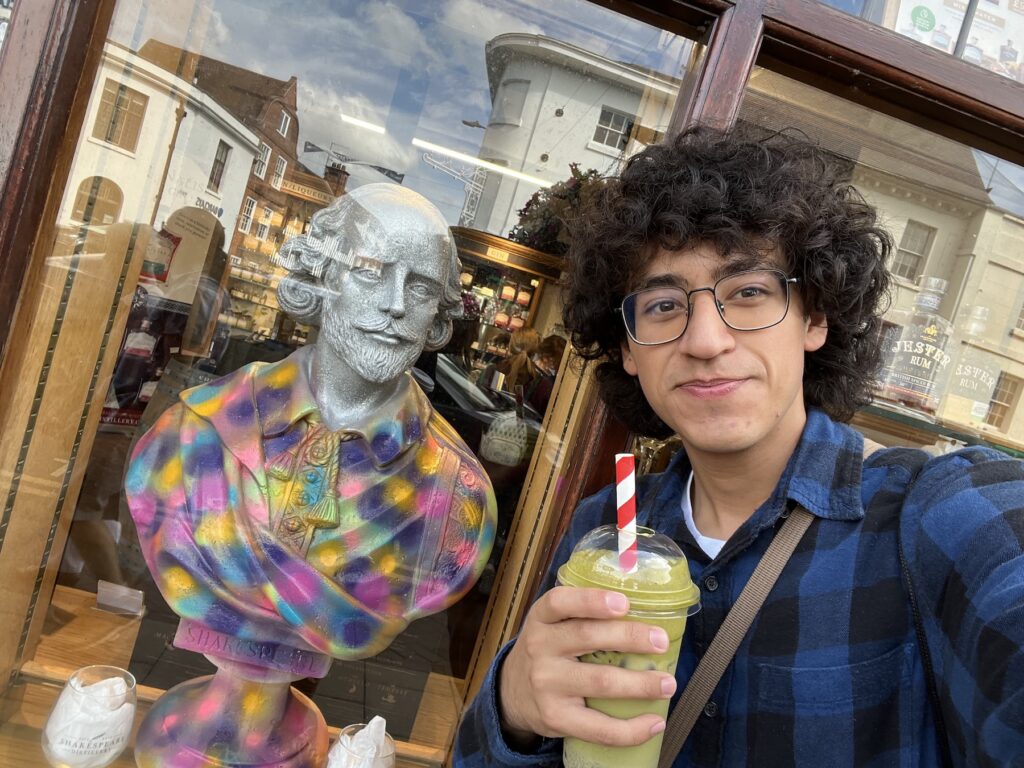
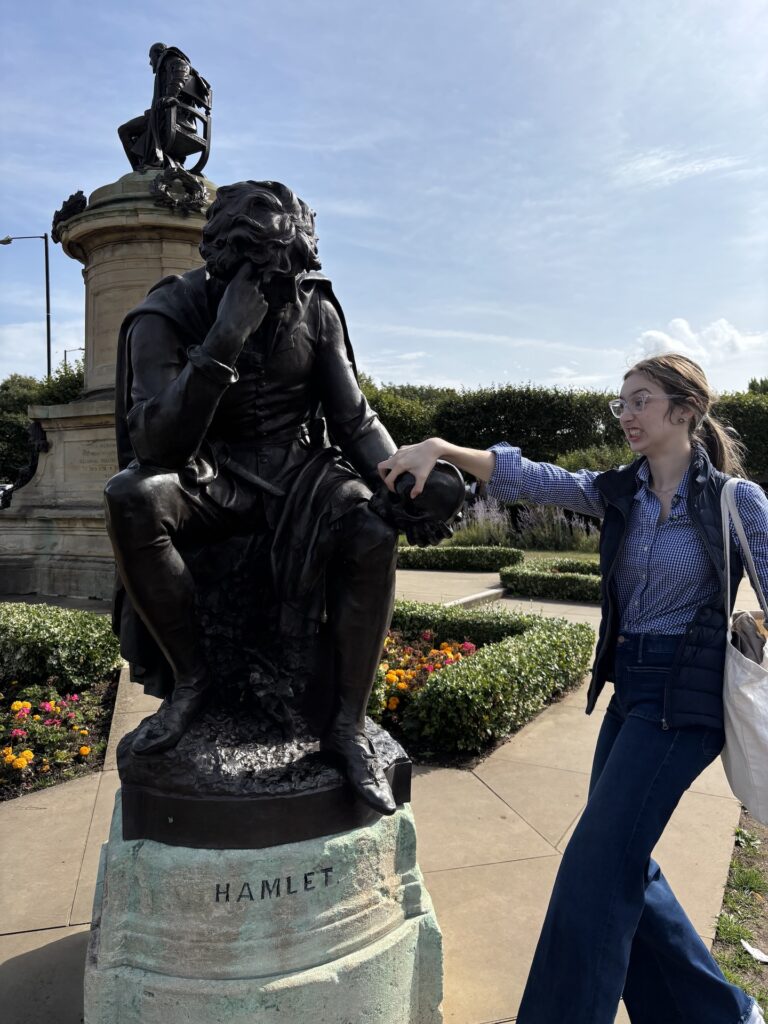
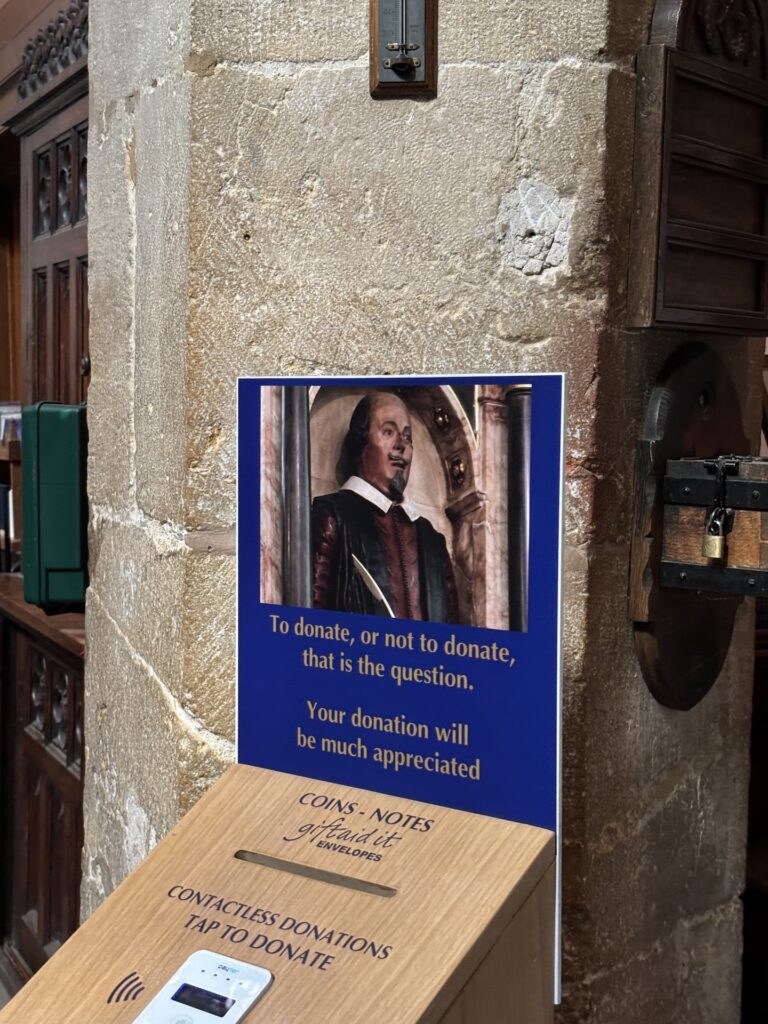
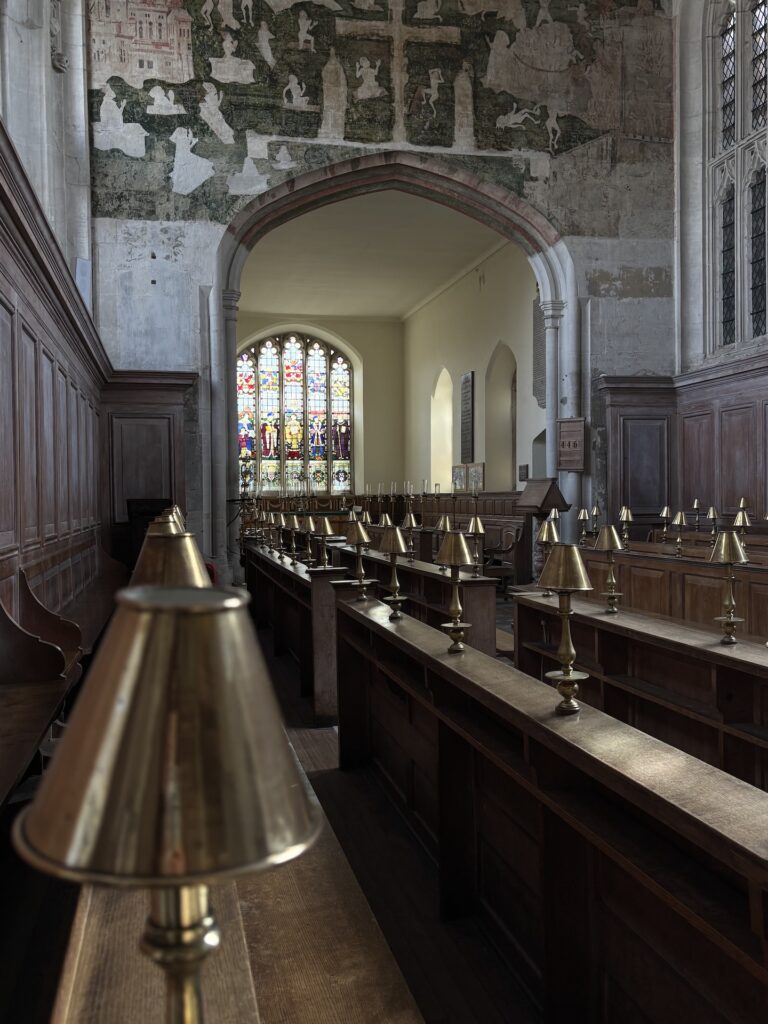
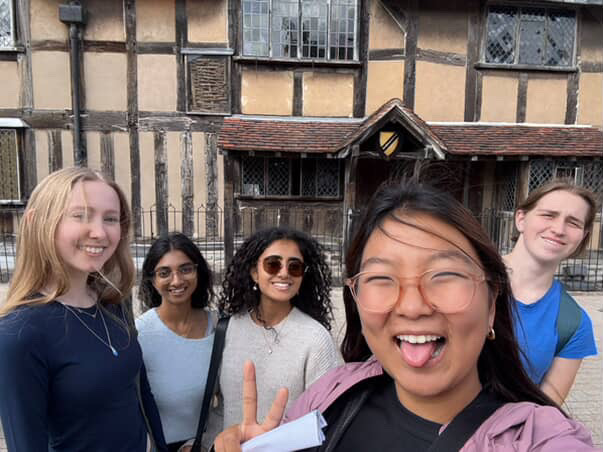
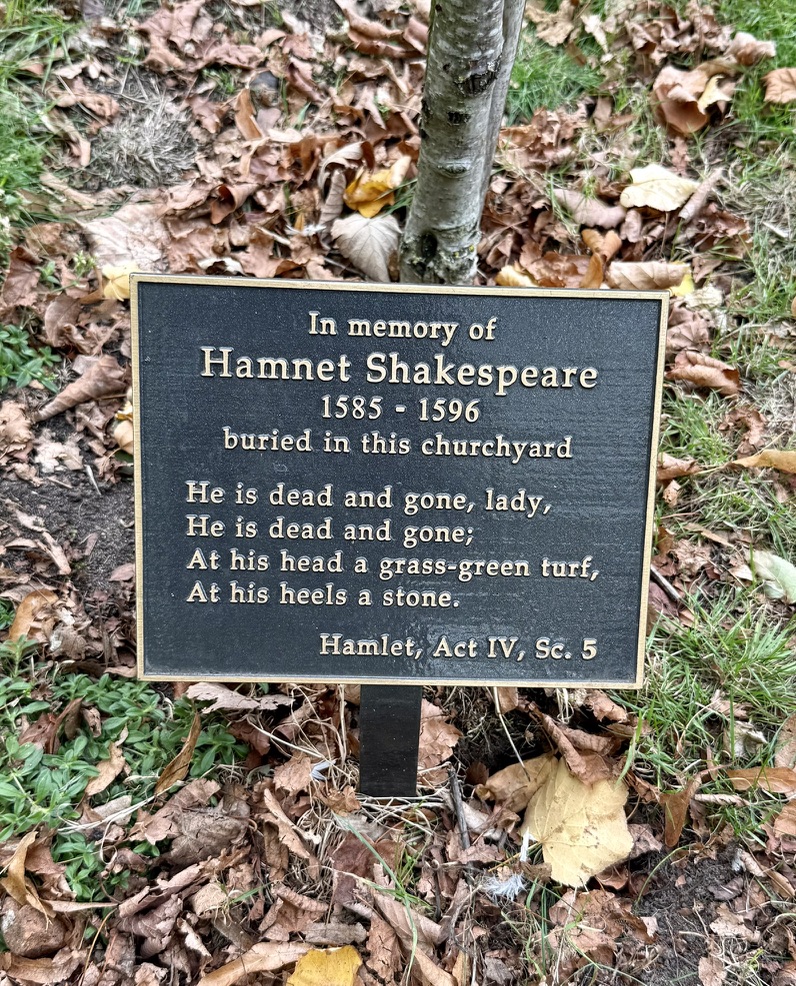
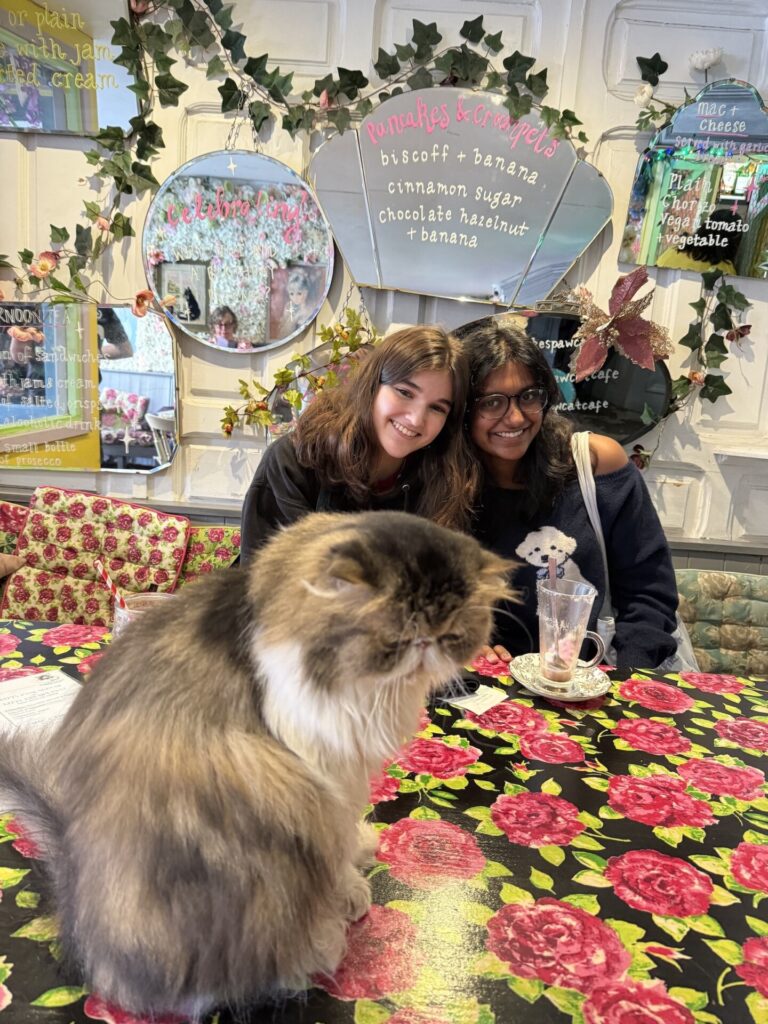
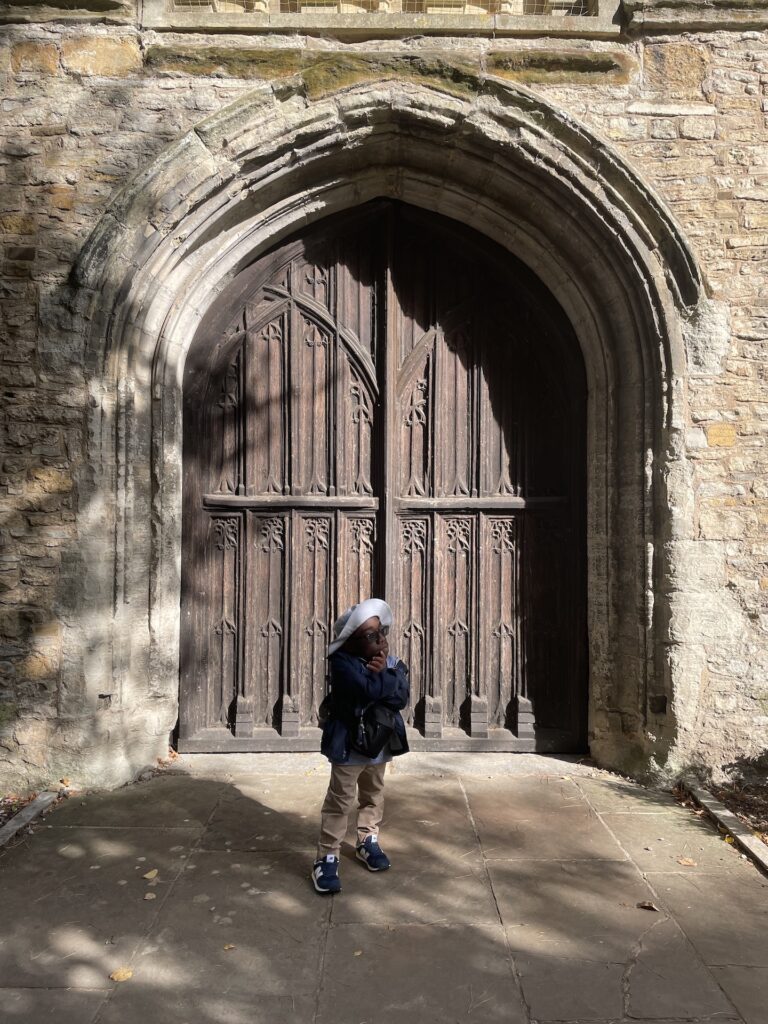
You wandered Stratford’s streets like literary archaeologists, each discovery sharpening your understanding of how the past lives alongside the present. Victoria noticed light filtering through the town’s trees while talking with locals about their daily lives. Lizzy found, yes, 154 references to Shakespeare and won the free laundry contest! You all discovered gardens and statues and visited Shakespeare’s first home, his school, and the church where he was christened and buried. Claire loved “the ‘to share or not to share’ neon sign” and expected “Stratford to be a kind of Shakespeare theme park” but instead discovered that “the town has also clearly not stayed in Shakespeare’s time” with its “own identity outside of being the place Shakespeare lived, with a busy town square and park, many restaurants and businesses, and people playing live music on street corners.” Erin found tenderness even in “the cat cafe where cats have Shakespeare’s names.” Rohan found himself fascinated by “the mix between the historic and the new Stratford,” noting how he’d “never seen another town embrace a famous resident’s legacy quite the way Stratford did for Shakespeare.” You learned to read the town itself as text—not a museum frozen in amber, but a living community that honors its literary inheritance while continuing to write its own story.
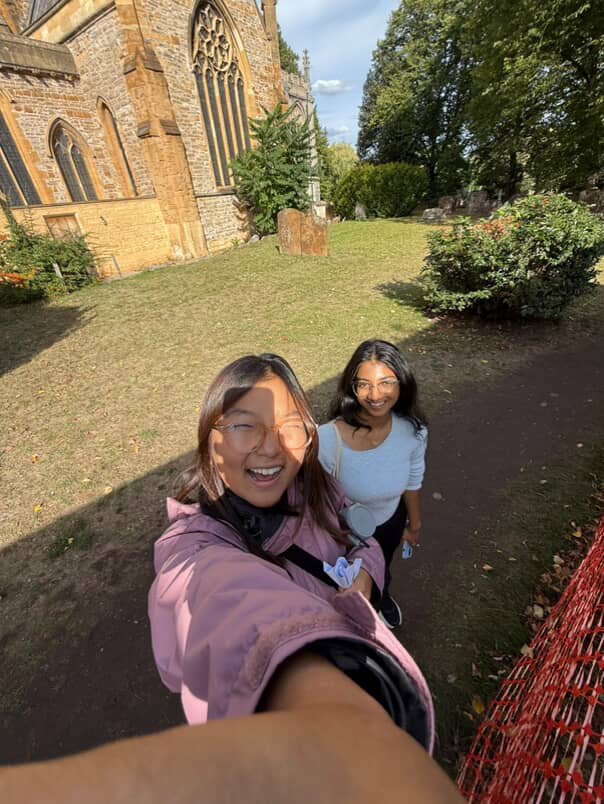
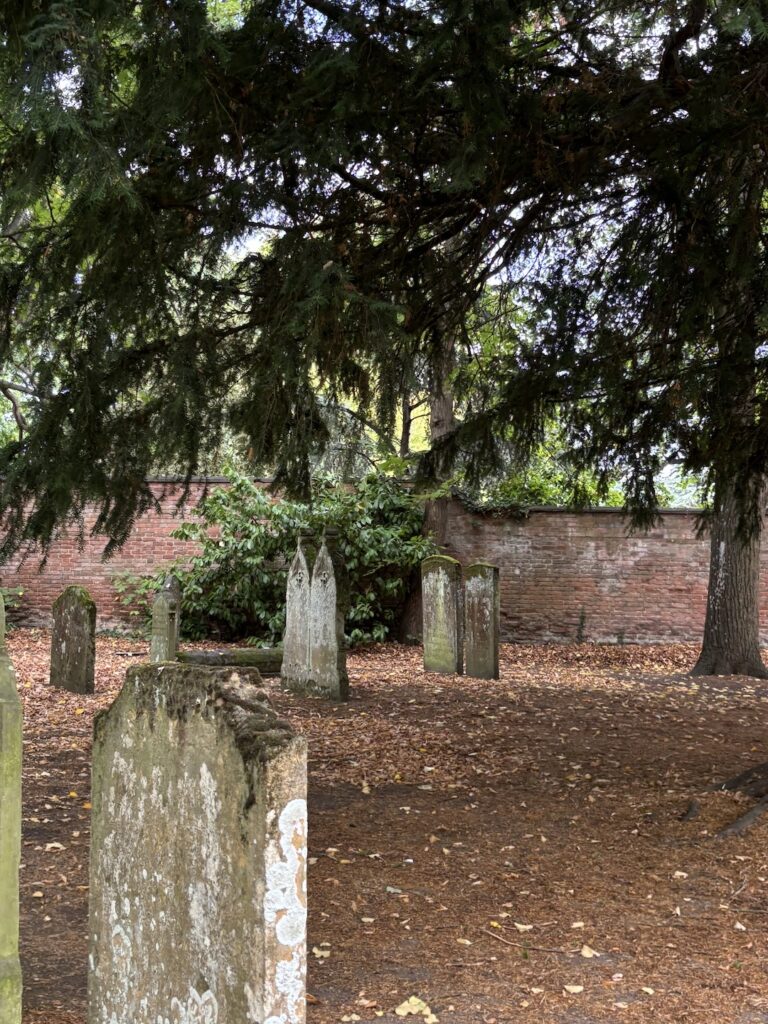
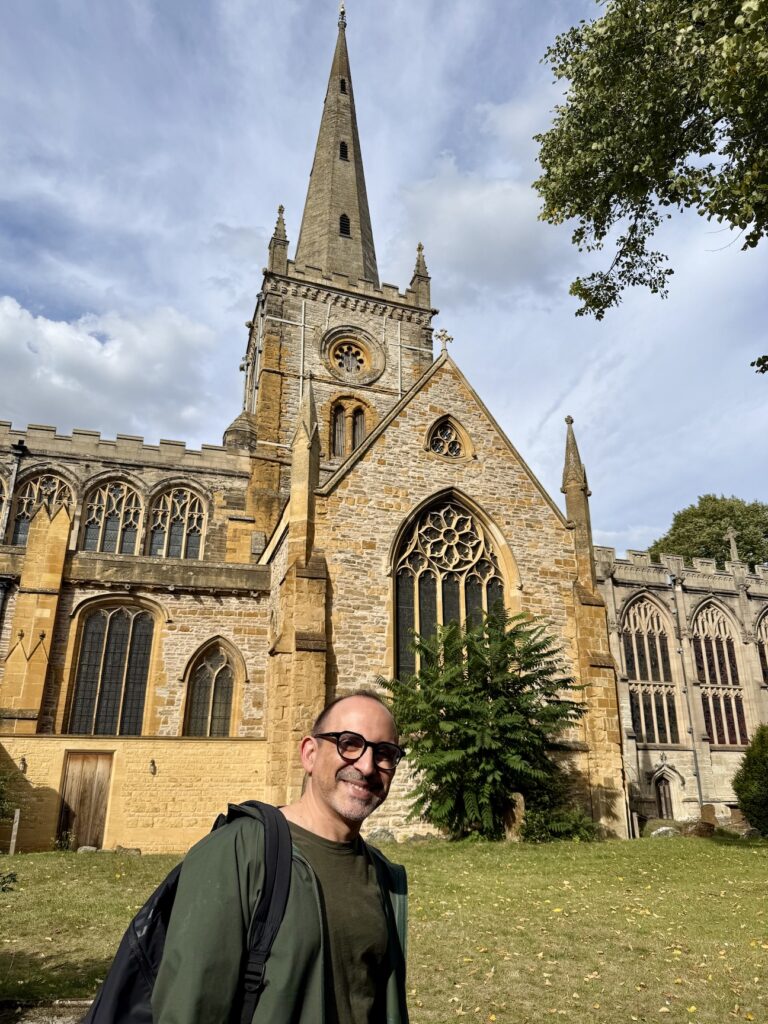
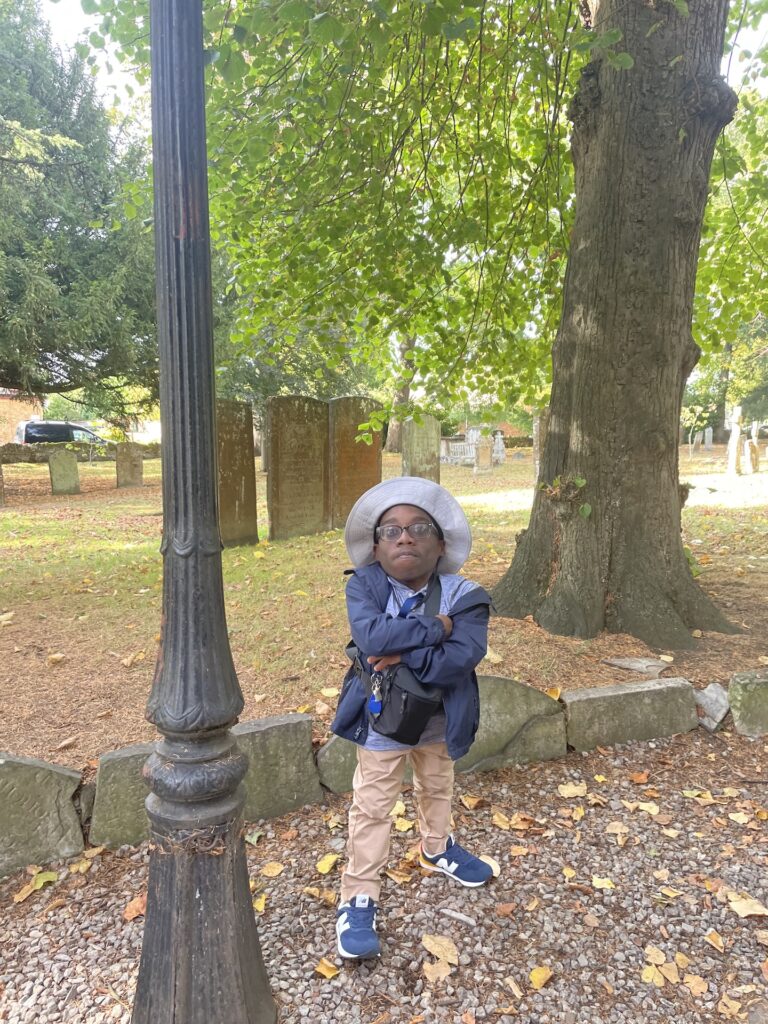
Nic, at one point I was scanning the town for students, and suddenly you sailed past on your skateboard, wheels spinning against ancient stones, and I saw how you’d grasped from Fat Ham that “the key to breaking a tragic cycle is to talk things through.” Your freedom on those streets mirrored exactly what you witnessed on stage—someone choosing movement over stasis, conversation over violence. Andres, you understood how “the ghost haunts Juicy rather than inspires him,” recognizing this creates “a healthier approach” where families work through their issues rather than repeating cycles of violence. I felt that same inspiration when you, Alicia, Casey, Dr. Palomino and I peered into the ancient tombstones as we approached Trinity Church in awe.

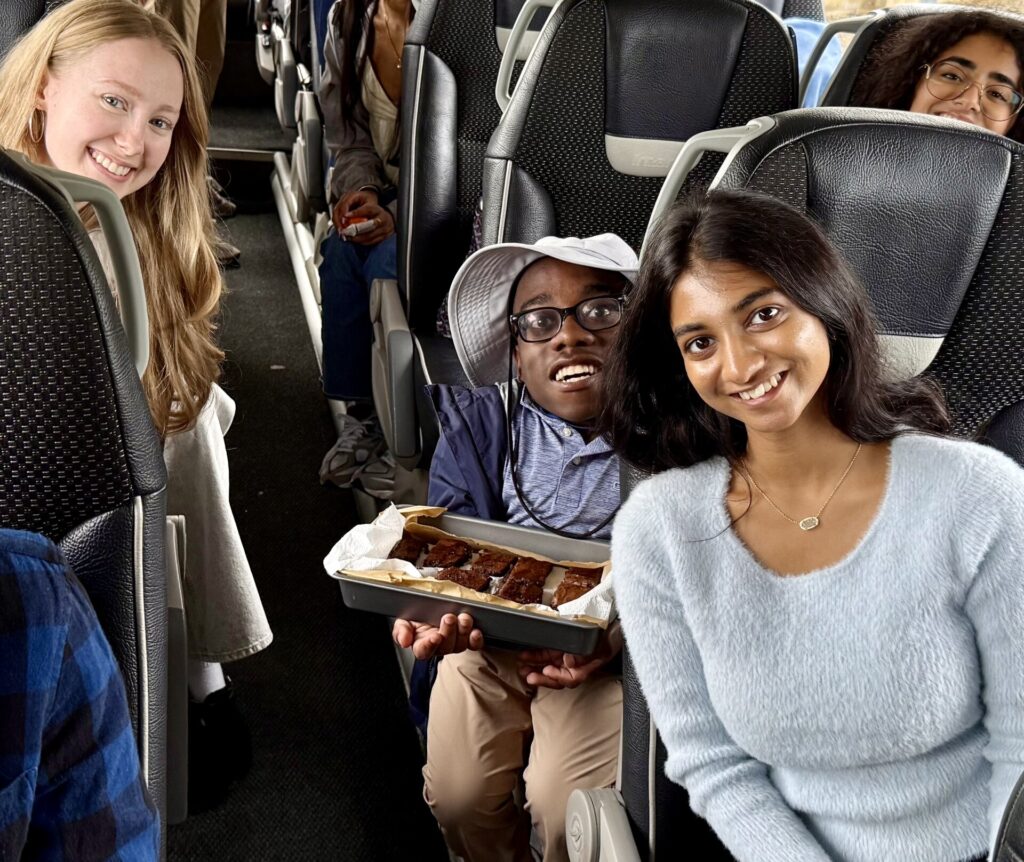
The play became a place for redefining strength itself. Ben saw how Juicy’s “definition of being a man was being willing to deal with his emotions, rather than suppress them.” The brownies Ben baked for our coach journey embodied exactly this redefinition—strength as the impulse to nourish others, to think of what others need, to offer what sustains rather than what dominates.
Tommy understood that Juicy “avoids becoming the weapon that he is prescribed to be” and “ultimately breaks the cycle of his ancestors” Neha recognized that “Juicy chooses to live unashamedly as someone who might be more soft.” Noelle saw how Juicy demonstrates “that his ‘softness’ isn’t a weakness but a source of strength.” Erin traced how “men have been told to ‘man up'” across centuries while finding tenderness everywhere.
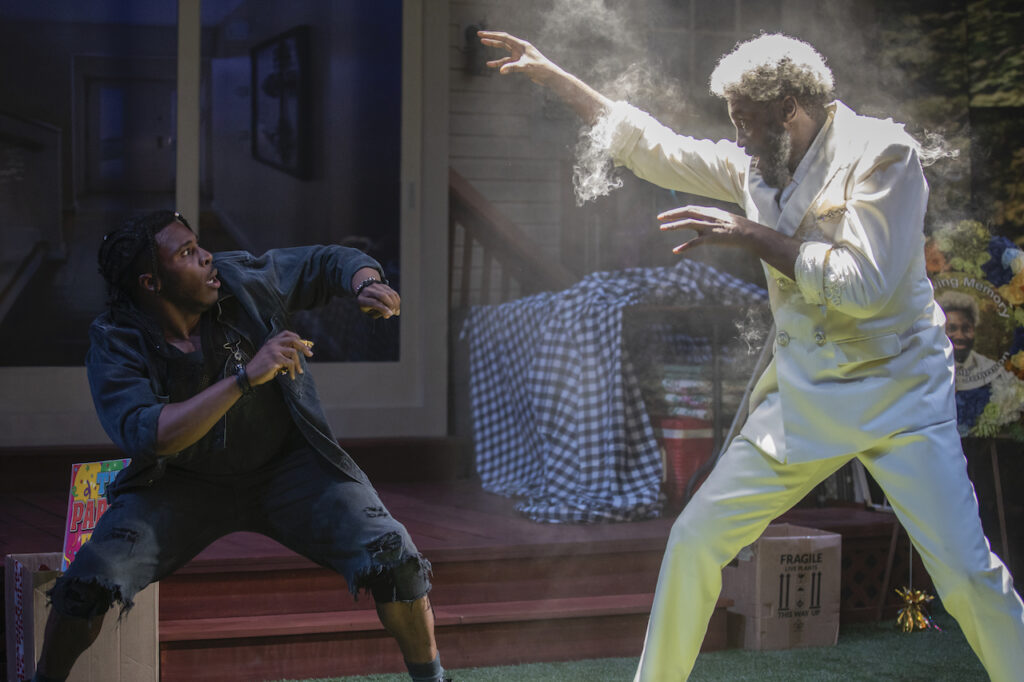
Your insights revealed how trauma moves through generations like inherited eye color. Sophia identified how each generation works to “acknowledge and correct the mistakes of the past generations.” Louis understood how being “emotionally intelligent, always aware of everyone’s thoughts and actions” becomes protection against inherited pain. Saanvi recognized that “breaking cycles of trauma within families and communities is a tedious process” yet found hope in restorative approaches. Andrew traced how Juicy’s refusal to follow his father’s footsteps becomes a quiet revolution—seeing in that choice the rare ability to turn one’s gaze forward rather than backward, understanding that beneath the play’s surface lies a gentle insistence that we always have more than one path, that even the most entrenched expectations can crack open to reveal new possibilities.
The transformation of Shakespeare’s iconic tragedy Hamlet itself became your text. Caitlin grasped how the play challenges expectations that “classical literature is meant to be kept the same.” Violet connected this to Shakespeare in the Park, recognizing democratic approaches to canonical works. Lizzie distinguished between celebration and demanding remembrance.
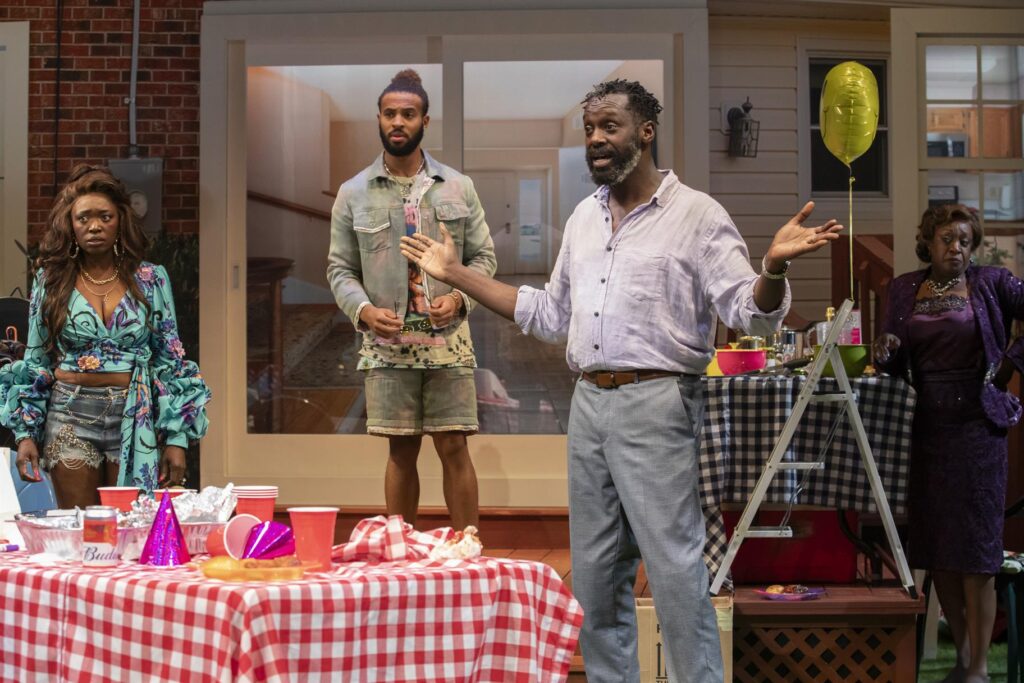
The dinner table emerged as your universal stage. Jessie discovered through your blood sausage revelation how family drama becomes universal, with similar essences expressed through different cultural ingredients. Shreya recognized that “to eat with others is to be vulnerable,” seeing how “food speaks in different dialects.” Violet brought lived experience from Romanian family gatherings. Serena understood that “parents and children will always have issues with power and control based on the hierarchical nature of the family,” recognizing how families create their own theatrical dynamics. Alicia traced how family drama persists “because people evolve while structures resist.” Serena, Dr. Palomino, Ben, and I shared lunch at a café, laughing and talking, and ok, we may have stolen some of the students’ french fries.
You discovered revolution in quiet moments. Hilary caught Tio’s casual mentions of therapy, understanding how emotional transparency gets normalized. Victoria saw how the play presents masculinity as “a concept that isn’t limited to only one standard.” Jonathan understood that “showing vulnerability takes tremendous courage.” Casey observed strength through restraint, though we might examine what healthy boundaries look like versus accepting harm.
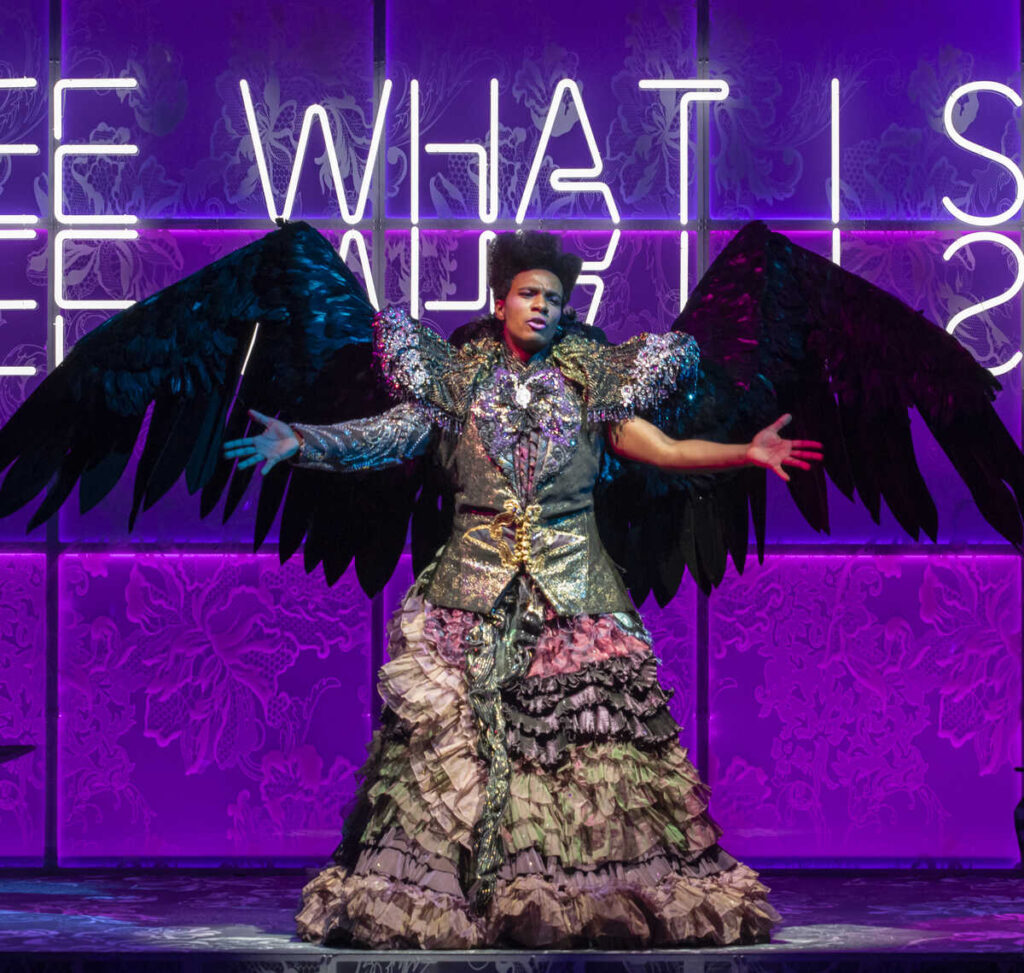
Your eyes found healing everywhere. Claire recognized how Stratford demonstrates healthy inheritance versus haunting demands. Aanya saw how the play “contradicts the image of literature involving a eurocentric lens.” Shreya understood revenge as “feedback loop” and envisioned taking “a knife through that loop.” Chloe spotted Ijames’s remarkable freedom in adaptation. Tommy and Jonathan, nearly baking in the back of the coach, demonstrated exactly what the play teaches when they spoke up not just for their own comfort but for everyone’s—showing how using your voice becomes an act of care for the whole community.
You learned to read both towns and theaters as places where ghosts can finally rest, where conversation and community become the tools that disarm rather than destroy.
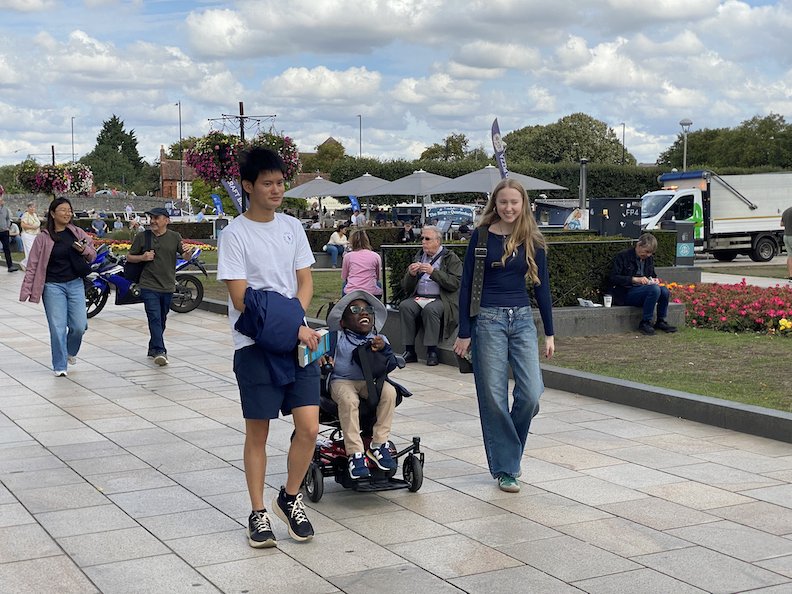
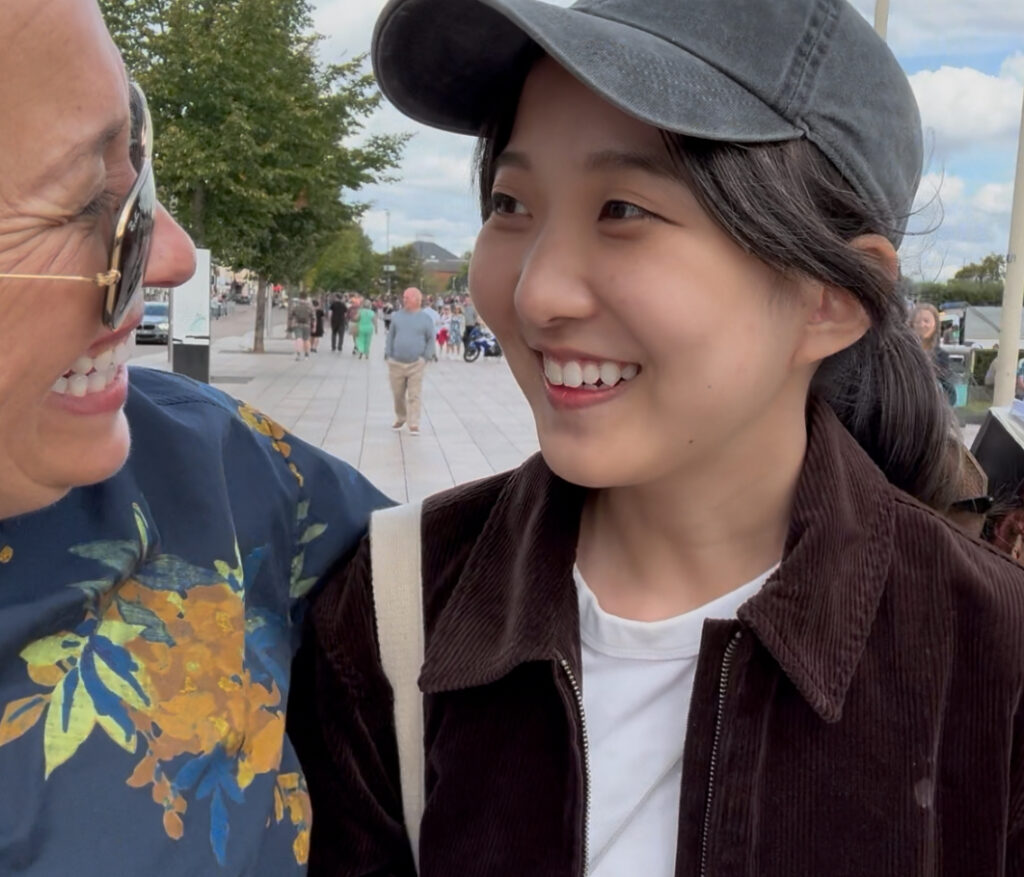
What struck me most deeply, though, was watching you take care of each other throughout the journey—sharing food and small gifts, moving through Stratford in protective clusters, arms linked and laughing, helping those who needed help (like me, Serena!), sometimes exploring on your own. As your professor, you make teaching its own reward: seeing minds that are not only brilliant and alive but genuinely caring toward one another. You’ve learned the lesson Fat Ham teaches best—that tenderness isn’t weakness but the foundation of all real strength.
Here’s to keeping Shakespeare’s greatest discovery alive in London together this fall—that love and conversation can disarm what violence never could!
—Dr. H