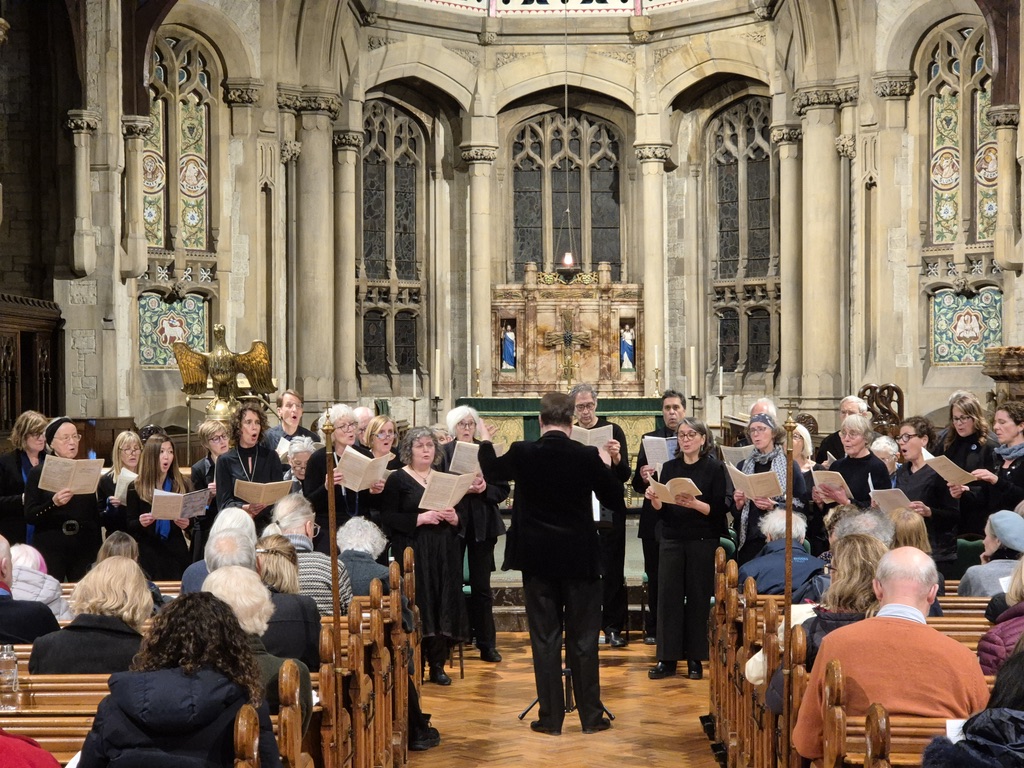
For four months I have been learning to listen.
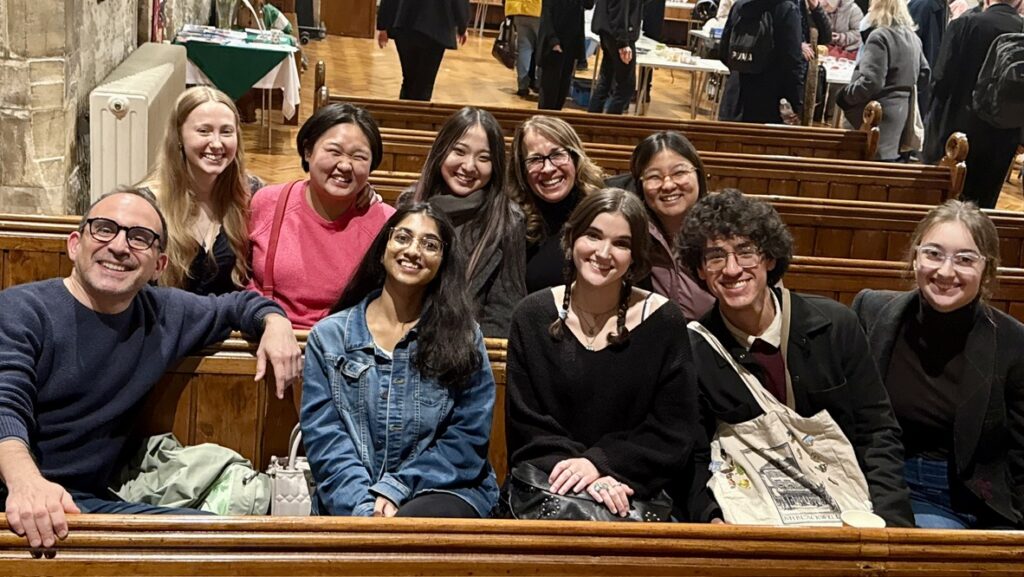
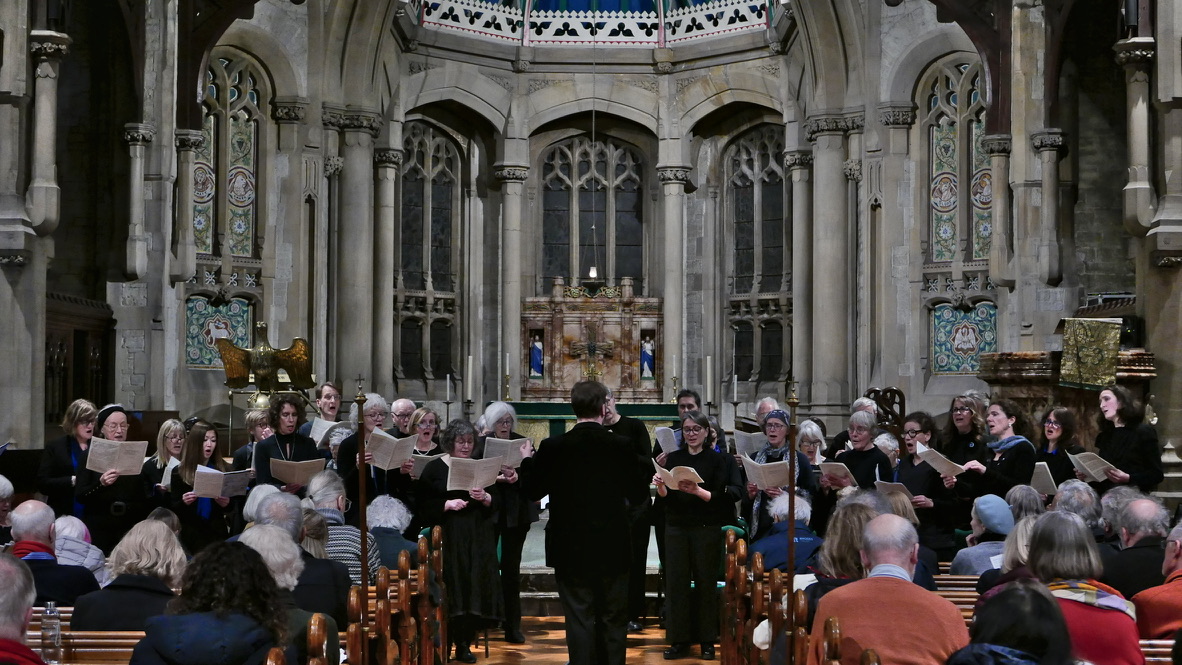
Every Monday evening in Hampstead, I walk into a room with thirty other voices and we attempt to become a single breathing thing. I am an American, a Shakespeare professor, someone who has spent her life with words on a page—silent, fixed, the often solitary province of research and writing. But here, sitting with the altos and the tenors, with Hester, Pamela, Edie, and Andrew, I am learning a different kind of reading, one that requires me to reach beyond myself.
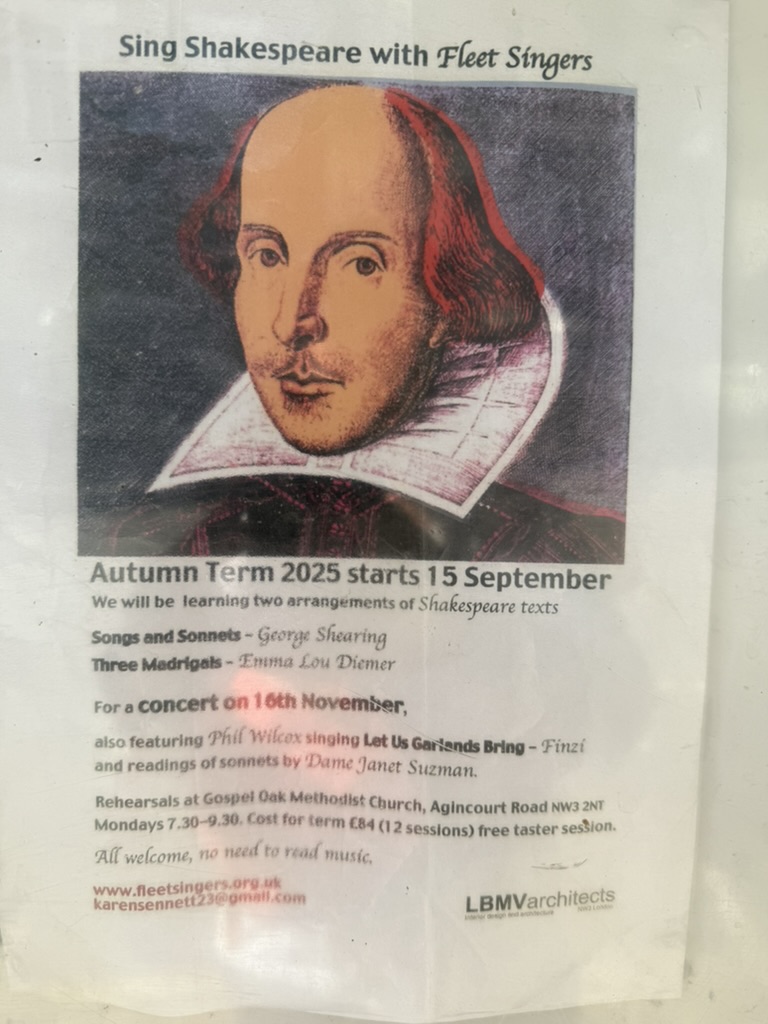
I saw the flyer on Hampstead Heath, tacked to a post: “Sing Shakespeare with Fleet Singers” and “All welcome, no need to read music.” The Fleet Singers were doing Shakespeare’s music, so while I’m not a gifted singer, I’ve never sung in a choir, and I wasn’t sure if “all welcome” included an American living in London for one semester… I went anyway.
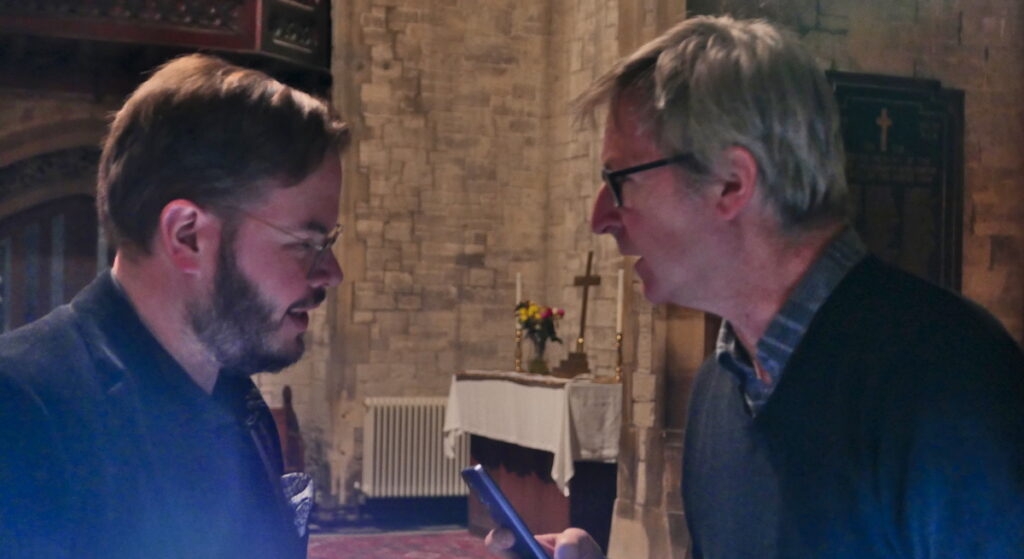
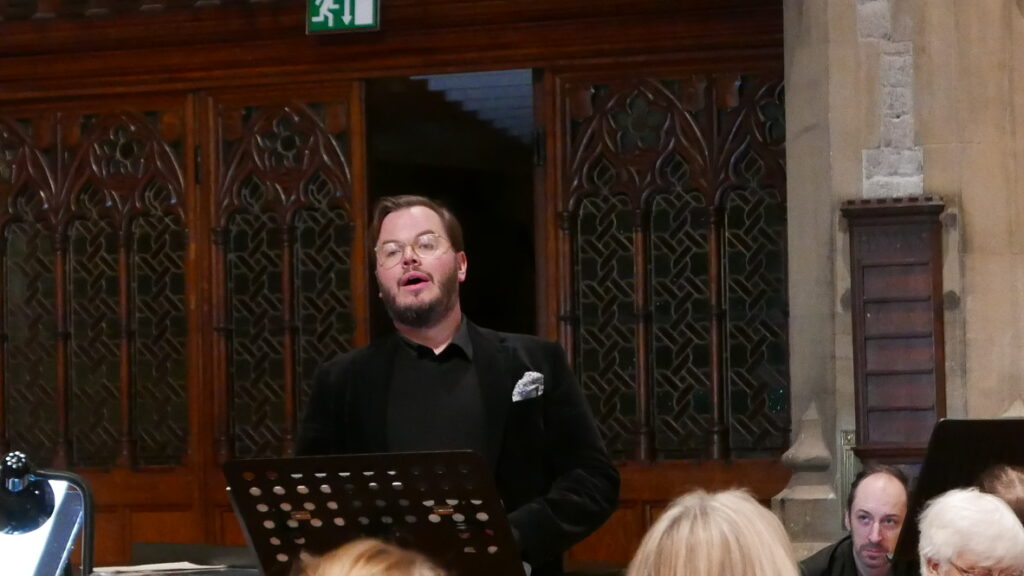
Our conductor, Phil Wilcox, is a master musician—an opera singer, a choral director, someone who has performed everywhere from Glyndebourne to the Royal Shakespeare Company. But what makes him extraordinary is that he is also a master teacher. He is funny and precise, patient and exacting. He knows how to find the best in our collective selves, how to coax beauty from thirty people with varying degrees of musical experience. “You must believe you are telling them something they need to hear,” he says, so we listen for the truth in the phrase, the urgent thing beneath the words, and then become vessels for it. Technical precision, yes—we must watch for the crescendo, the held note, the breath mark, the piano softening into pianissimo—but precision in service of something alive. Something that cannot exist unless we make it exist, together.
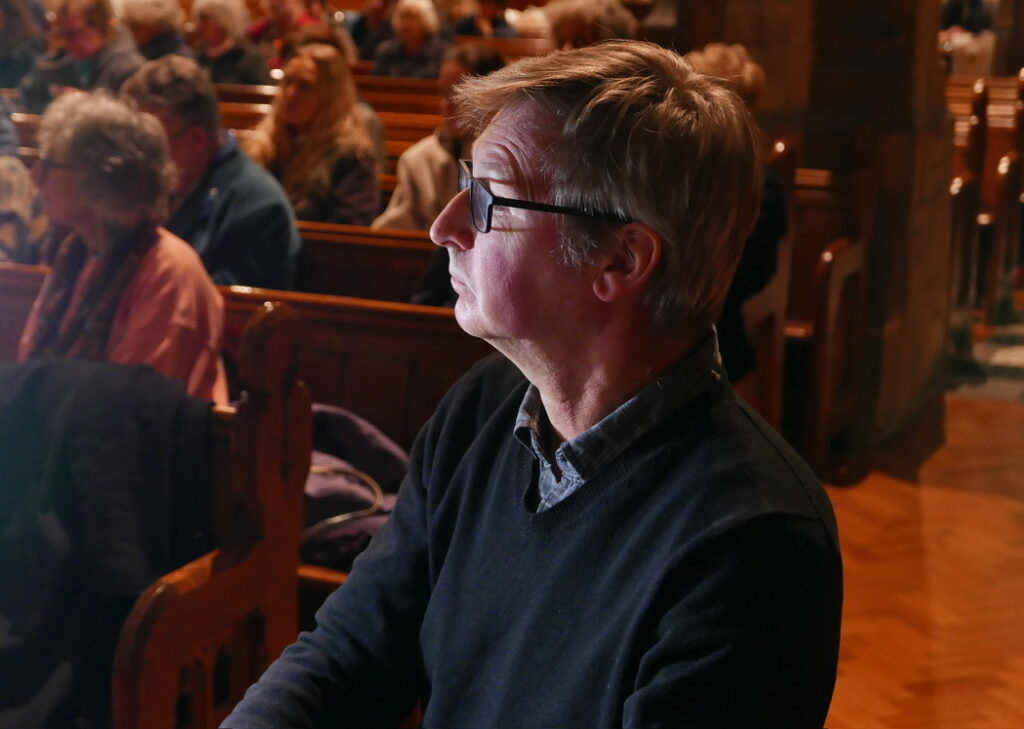
Every Monday I must watch Phil’s hands, read the black notes swimming across the staff, hear the sopranos entering two beats before us, sense the tenors holding their line beneath us, catch the basses as they anchor the whole edifice of sound. I must listen to Hester beside me, adjust my pitch to match hers, breathe when she breathes. In the tenor section, I lean toward Andrew: also finding his pitch. And I must listen to our pianist, Philip Godfrey—a composer and organist whose work is performed by the Hallé Children’s Choir and the Royal Ballet Sinfonia, whose hands have played at Windsor Castle and St James’ Palace. He sits at the piano with absolute concentration, on both the music in front of him and Phil. For four months I have watched him watch Phil, his eyes rarely leaving the conductor except to turn a page of music. His timing is impeccable. He prepares us with the opening bars, guides us through difficult passages, gives us the note when we’ve lost our way. His hands on the keys are a form of perfect attention—he has learned to listen with his whole body, to read music not just as sound but as motion, rhythm, breath. Week after week, I watch this quiet virtuoso create the foundation on which our voices rest, and I understand that attention takes many forms, that listening is not only about what we hear.
“Altos only,” Phil calls out. “Let’s take bars 23 to 27 again.” We have a line that leaps unexpectedly, a minor chord that sounds wrong until we commit to it, that pulls against the soprano melody above us. We try it once. Twice. Someone laughs—we’ve come in early. Three times, four times. The interval still feels wrong. Five times. And then, on the sixth attempt, we land it. The notes lock into place, our voices find the strange chord, and for five bars we are singing something heartbreakingly beautiful. Phil gives us a quick nod. “Well done.”

This is the work: the same five bars over and over until our bodies remember what our minds don’t understand.
“Sopranos and tenors,” Phil calls, and the altos rest, and I get to simply listen. And oh, the voices. Sometimes I stop singing just to hear them—the way the sopranos spin their line above us like light through water, the way the tenors anchor the harmony with their warmth. It is so beautiful it makes my chest ache. There is laughter, too. So much laughter. Wrong entrances, forgotten words, the time we all came in a full beat early and had to stop, sheepish. But then we try again. We always try again. Sometimes we make excuses. “You can’t blame Phil; the notes are printed for you on the page,” and we all laugh.
This is not a metaphor for community. This is community, in its most distilled form.
My accent marks me as an outsider and I’m only on key because of Hester, Pamela, or Andrew. But for two hours every Monday, I am part of something that only exists because we are all paying attention to each other with every faculty we possess. We are watching, listening, reading, thinking, feeling—all at once—and we are doing it together. The sound we make cannot exist if even one person stops attending. We are making something that will vanish the moment we stop making it, something that requires each of us to be both completely present and completely surrendered to the whole.
Annie Dillard writes about the tree with lights in it, that moment when the world reveals itself as shot through with meaning. I think of this every Monday. For two hours we are learning to see the lights in each other. We are learning that beauty requires us. Not our perfection—our attention. Our willingness to listen so carefully that we become part of something larger, and in that joining, discover we are held.
Perhaps this is why I wipe away tears when I think of it. I came to Hampstead by myself, for four months, to a place where I am always slightly foreign. And every Monday evening I walk into a room where my strangeness doesn’t matter, where what matters is whether I am listening, whether I am there, whether I can hear the altos or tenors beside me and the basses beneath me and the soprano line floating above, and add my small voice to the sum of it—making something that would not exist without me, but that was never, not for one moment, about me at all.
This is what the choir has given me: not just music, but a way of being in the world. I have learned that listening is not passive but active, not easy but essential. That attention is a form of love. That we are held by what we help to hold, and that sometimes the most important thing I can do is stop singing and simply listen—to bear witness to the heartbreaking beauty that we make together, when we commit to each other, when we try again.
I will carry this with me—this knowledge of how community is built, bar by bar, voice by voice, in the patient repetition of showing up and listening until we hear not just the notes, but the human heart behind them.