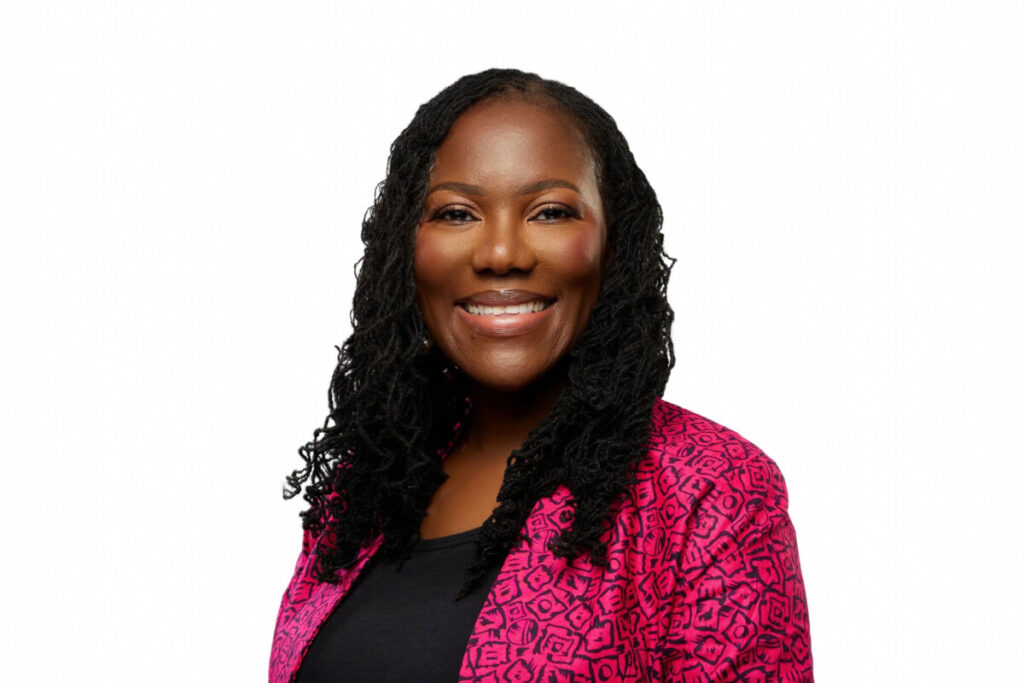
Dr. Crystal R. Sanders, Associate Professor of African American Studies and Associated Faculty in the History Department, recently contributed analysis to the article: “Stevie Wonder’s Battle for MLK Day and the New Challenges to King’s Legacy.” Sanders helps to chronicle the critical role that prominent figures like Wonder played in securing the establishment of the federal holiday for Martin Luther King, Jr., which was signed into law in 1983. Sanders also offers fascinating analysis of the struggle to get the holiday observed on state and local levels, including in her hometown of Clayton, North Carolina (see more on this below). A specialist in the twentieth-century history of the U.S., Sanders is the author, most recently, of the multiple prize-winning book A Forgotten Migration: Black Southerners, Segregation Scholarships, and the Debt Owed to Public HBCUs (UNC Press, 2024).
Read an excerpt from the Capital B News article below and find the full piece here.
“Whether we’re talking about the local, state, or federal level, it took a lot of maneuvering to get this holiday,” Sanders said.
She grew up in Clayton, a small North Carolina town about 15 or 20 minutes from Raleigh. She recalled how her father, the first Black American elected to the Clayton Town Council, basically had to trick the council into recognizing the holiday, even after North Carolina had adopted it as a state holiday in 1983.
“After several failed attempts at getting the holiday recognized, my father introduced a motion that the town would observe all holidays observed by North Carolina,” she said. “And many of his colleagues didn’t think twice. They voted in the affirmative. Later, during that same meeting, an elderly white man said, ‘Wait, did I just vote for the King holiday?’ And my father said, ‘You most certainly did.’”