Graduate Students Design and Teach Spring 2017 Courses

Three graduate students from the History Department are teaching courses this spring to Emory undergraduates. Professors Julia López Fuentes, Audrey Henderson, and Jennifer E. Morgan designed and developed original courses as a part of the Laney Graduate School’s TATTO program. This opportunity provides graduate students with valuable teaching experience and comprises part of the Department’s holistic training for future teachers and scholars.

Check out the syllabi for the Spring 2017 offerings below and browse the courses from Spring 2016, as well.


“Metropolis, Migration and Mosquitoes” Featured as Timely, Creative, and Cool Course

Bom_Retiro_(5435336453).jpg

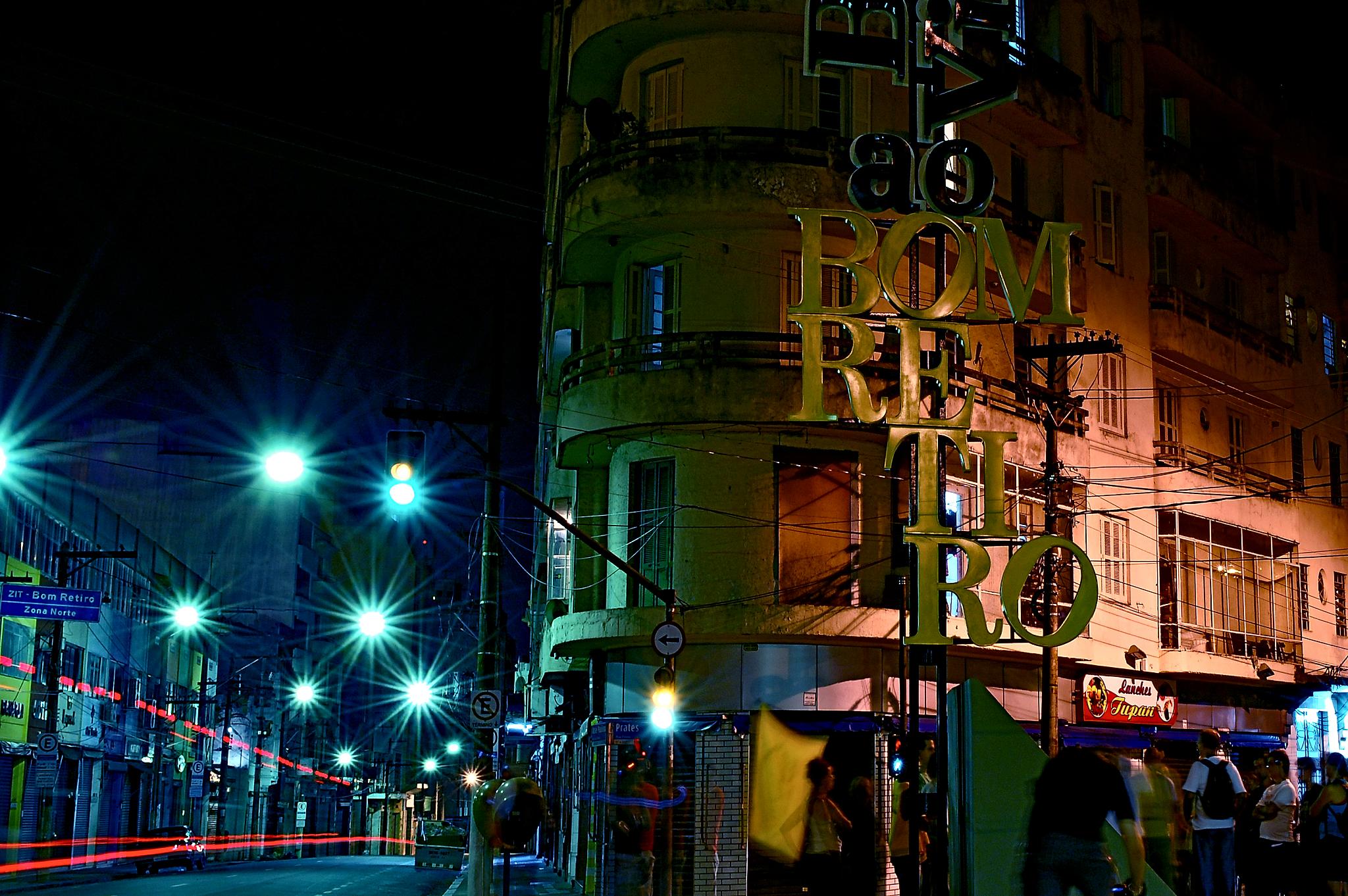
Photo from the Bom Retiro neighborhood in São Paulo, Brazil, the test case for “Metropolis, Migration and Mosquitoes.” Photo from Wikimedia Commons.

Dr. Jeffrey Lesser, History Department Chair and Samuel Candler Dobbs Professor of History, will co-teach an interdisciplinary course, “Metropolis, Migration and Mosquitoes,” in the spring semester 2017. Recently featured by the Emory News Center as a timely, creative, and cool course, the class will be led by Lesser along with Uriel Kitron, Goodrich C. White Professor and Chair of Environmental Sciences, and Ana Teixeira, Director of the Portuguese Language Program and Lecturer in Portuguese, Spanish & Portuguese. Guest lecturers will include Thomas D. Rogers, Director of Graduate Studies and Associate Professor of Modern Latin American History. Check out the course description below, and browse some of Emory’s other unique offerings this semester.

The course will analyze how “health” has been understood over time by both populations and providers using diverse methodologies, both traditional and novel. Using the Bom Retiro neighborhood of São Paulo as a test case, students will analyze disease patterns and prevention within a historical perspective. They will also analyze how questions of class, race and gender have led to historically different incidences of, and responses to, disease, understanding the relationship between cultural attitudes, exposure to diseases and access to health care. 
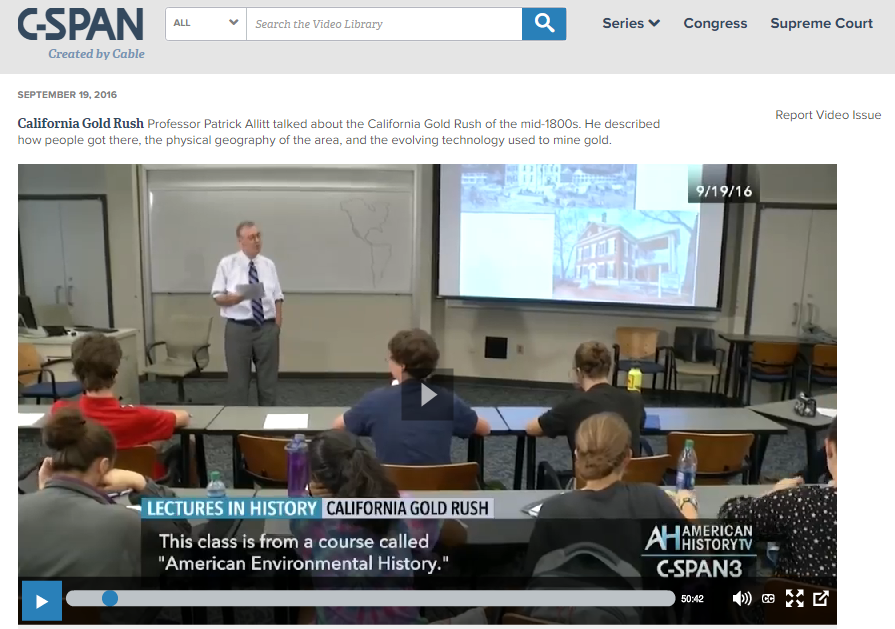
Patrick N. Allitt on CSPAN: American Environmental History and the California Gold Rush

Dr. Patrick N. Allitt, Cahoon Family Professor of American History, recently delivered a lecture on the California Gold Rush of the mid-nineteenth century on CSPAN’s “Lectures in History” program. The lecture comes from a section of the class “American Environmental History” that Allitt gave on Emory’s campus in Atlanta on 19 September 2016. Check out the 50-minute lecture on the CSPAN website.

Untitled.png

The 2016 Election in the Classroom: History Department Courses and Contemporary Politics

The Emory News Center recently featured two History Department courses in a piece examining offerings across the campus this semester that are engaging contemporary politics and especially the 2016 election. The courses from the Department are: “Race and the American Presidency” (Dr. Brett Gadsden) and “Popular Culture and Politics in the United States” (Dr. Daniel LaChance). Read more about each of the courses at “Unprecedented election cycle provides focus for courses.”


James V.H. Melton’s `Religion, Community, and Slavery on the Colonial Southern Frontier` Wins the Austrian Studies Book Prize

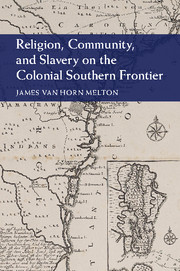
Religion, Community, and Slavery on the Colonial Southern Frontier

Congratulations to Dr. James V.H. Melton, Professor of History, whose most recent book was awarded the Austrian Studies Book Prize by the Center for Austrian Studies at the University of Minnesota. Melton’s work, Religion, Community, and Slavery on the Colonial Southern Frontier, was published by Cambridge University Press in 2015. The prize marks the second in as many years for an Emory historian of German-speaking Europe, following Professor Brian Vick‘s award last year for The Congress of Vienna: Power and Politics after Napoleon (Harvard University Press, 2014).

Collaboration between Professor Mark Ravina and History Major TJ Greer Featured on ‘Digital Humanities Now’

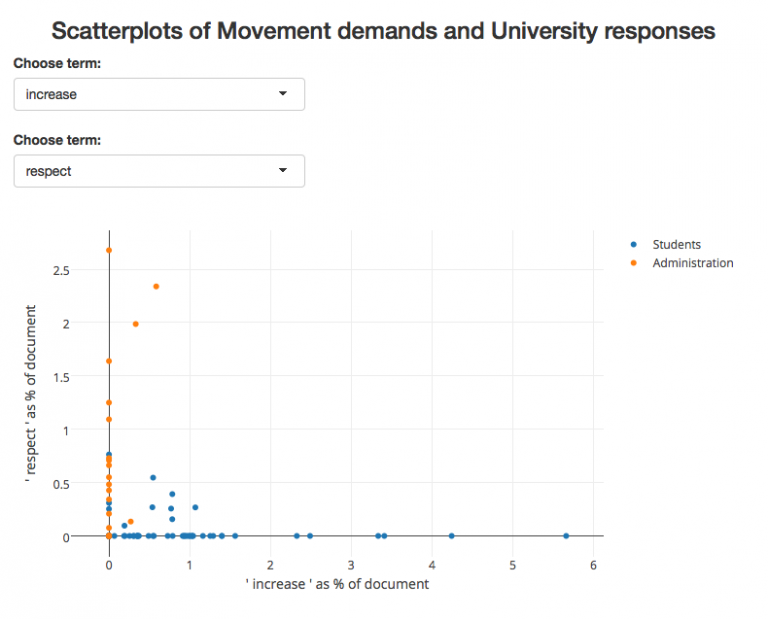
Over the last year Dr. Mark Ravina and history major TJ Greer have collaborated on a digital humanities project examining the rhetoric of student activism and university administration responses through text mining. The project was recently profiled by the editors of the website Digital Humanities Now, where the study’s findings will appear in a series of blog posts. Read an excerpt from their first post below (“Mining the Movement: Some DH perspectives on student activism”) and check out the full run here.

Screen Shot 2016-06-07 at 11.34.45 AM

This first blog reflects our first preliminary results, but even at this early stage we feel comfortable with two declarations: one empirical and one political. The empirical observation is that university administrations are largely talking past students, employing a radically different vocabulary than that of student demands. Our political observation is that universities need to address student demands seriously and directly, even if that means admitting that some problems are deeply structural and that solutions will require decades rather than months or years.

President Jimmy Carter Discusses the Importance of History and Archives with Students from Spring Course Taught by Dr. Joseph Crespino

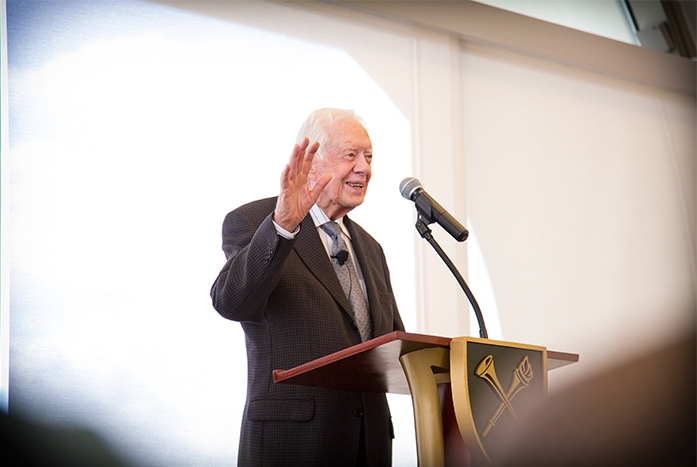
On April 21 President Jimmy Cater was on Emory’s campus to speak to students in a session titled “Why Archives Matter: Memory, Meaning and History.” Included in the event where students from Dr. Joseph Crespino’s spring undergraduate course on the history of politics and race in the United States. Aside from a lively question and answer period with the attendees, the event served to highlight recent renovations at the Stuart A. Rose Manuscript, Archives and Rare Book Library. Read more about the event on the Emory News Center’s site here.

photo description

Spring 2016: Graduate Students Design and Teach Courses to Emory Undergraduates

Each semester students from Emory’s History graduate program enter the classroom to teach courses they have designed and developed through the TATTO program. This spring five third-year graduate students are teaching dozens of Emory undergraduates, exposing them to fascinating topics ranging across time and space.

These courses enable graduate students to gain valuable experience teaching subjects directly linked to their own research interests. More broadly, the experience forms part of the History Department and Laney Graduate School’s holistic training that prepares graduate students for careers in teaching and research.

Below are the five courses being taught this semester, along with links to the profiles of each instructor and the syllabi: