Fields-Black’s ‘COMBEE’ Wins Gilder Lehrman Lincoln Prize

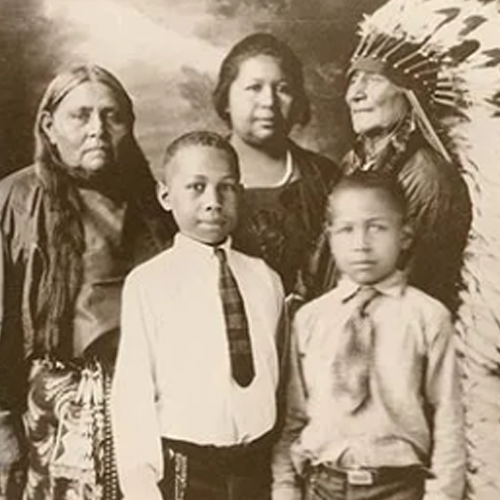
Dr. Edda L. Fields-Black (BA, ’92), Professor and Director of the Dietrich College Humanities Center at Carnegie Mellon University, has received the 2025 Gilder Lehrman Lincoln Prize for her book COMBEE: Harriet Tubman, the Combahee River Raid, and Black Freedom during the Civil War (Oxford UP, 2024). COMBEE offers the fullest account to date of Tubman’s Civil War service, including her role in the momentous 1863 raid that led to the freeing of nearly 800 people. The Gilder Lehrman Lincoln Prize, which includes an award of $50,000, is given annually to a work that enhances the general public’s understanding of Abraham Lincoln, the American Civil War soldier, or the American Civil War era.

Fields-Black received her undergraduate degree in history and English from Emory and her PhD from the University of Pennsylvania. Her research specializations include the transnational history of West African rice farmers, peasant farmers in pre-colonial Upper Guinea Coast and enslaved laborers on rice plantations in the antebellum South Carolina and Georgia Lowcountry. Indiana UP published her first book, Deep Roots: Rice Farmers in West Africa and the African Diaspora, in 2014. She has also produced compelling work about that past that transcends disciplinary boundaries. She served as executive producer and librettist of “Unburied, Unmourned, Unmarked: Requiem for Rice,” a contemporary classical and multimedia symphonic work and the first symphonic work about slavery on rice plantations.

Read a quote from Dr. Fields-Black about receiving the prize below and find the press release from the Gilder Lehrman Institute of American History here.

“I am thrilled to receive this award and honored to be the vehicle through which the story of Harriet Tubman’s Civil War service and the Combahee River Raid are told. I came to the history of the Combahee River Raid through my many years of work on rice-growing technology, rice fields, and rice laborers (free and enslaved) on both sides of the Atlantic and my passion for uncovering new sources and methods, which reveal the voices of Africans and people of African descent who did not author written sources. I aspired to tell the history of the Combahee River Raid from the perspectives of the people who participated in it, Harriet Tubman, the 2nd South Carolina Volunteers, and the Combahee freedom seekers who liberated themselves in the raid. This was no small feat since they were all formerly enslaved and the overwhelming majority were illiterate.“
Picone (Ph.D. ’19) Publishes ‘Landscaping Patagonia’ with UNC Press


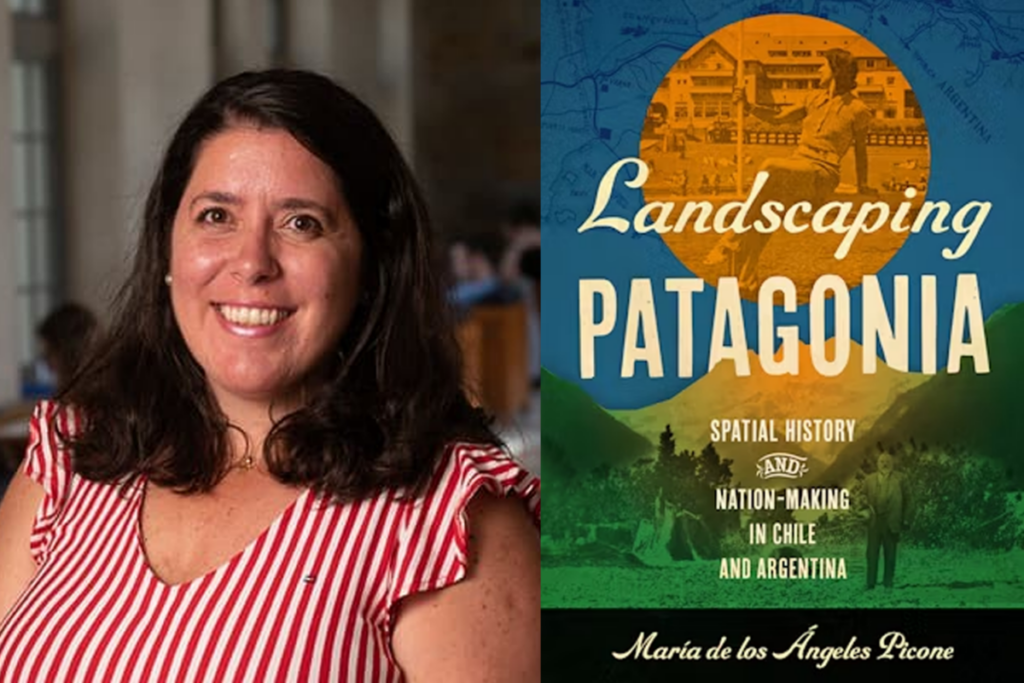
Dr. María de los Ángeles Picone (PhD, 2019) has published her first book, Landscaping Patagonia: Spatial History and Nation-Making in Chile and Argentina, with UNC Press. Focused on northern Patagonia in the late-19th and early-20th centuries, the inventive monograph charts how an array of people who lived in, governed, and traveled through this region “sought to construct versions of Chile and Argentina based on their ideas about and experiences in geographical space.” Dr. Emily Wakild, a leading environmental historian of Latin America, describes Landscaping Patagonia as a “masterful, field-changing work.” She continues: “The Patagonian landscape takes center stage as Picone brings to life the people who inhabited this ecologically and culturally expansive region.” Picone, currently an Assistant Professor of History at Boston College, completed her dissertation under the advisement of Drs. Jeffrey Lesser, Thomas D. Rogers, and Yanna Yannakakis in 2019. Read the full abstract of Landscaping Patagonia below.

In late nineteenth-century Latin America, governments used new scientific, technological, and geographical knowledge not only to consolidate power and protect borders but also to define the physical contours of their respective nations. Chilean and Argentine authorities in particular attempted to transform northern Patagonia, a space they perceived as “desert,” through a myriad of nationalizing policies, from military campaigns to hotels. But beyond the urban governing halls of Chile and Argentina, explorers, migrants, local authorities, bandits, and visitors also made sense of the nation by inhabiting the physical space of the northern Patagonian Andes. They surveyed passes, opened roads, claimed land titles or leases, traveled miles to the nearest police station, rode miles on horseback to escape the police, and hiked the landscape.

María de los Ángeles Picone tells the story of how people living, governing, and traveling through northern Patagonia sought to construct versions of Chile and Argentina based on their ideas about and experiences in geographical space in the late nineteenth and early twentieth centuries. By repositioning the analytical focus from Santiago and Buenos Aires to northern Patagonia, Picone reveals how a wide array of actors, with varying degrees of political, economic, and social power, assigned distinctive—and sometimes conflicting—meanings to space and national identity.

Alumni Update: Nick Sessums (’24) Publishes Essay in ‘Central Europe Yearbook’

The History Department was pleased to receive an update from Nick Sessums, a 2024 alumnus who graduated with honors. After nine months of drafts, revisions, edits, and reviews, Sessums has just published an essay, titled “Russification and Russianization in Modern Historiography,” in the Central Europe Yearbook.

The essay project began with the Russian invasion of Ukraine in February 2022. As a student of history, politics, culture, and international relations, Sessums was captivated both by the historical moment itself and what it said about the world that we live in. Russia’s invasion went against everything that he had been taught about how people and governments were supposed to operate. He had to know why reality did not match his perception of the world.

In the Spring of 2023, he began researching and writing his undergraduate thesis, “Parallel Nations: Ukrainian, Russian, and Imperial Identity in Right-Bank Little Russia” (submitted in April 2024). While he answered many of his original questions in this process, he also began to ask new ones. He started to explore not just the current and historical events themselves, but how the people researching them talk about and interact with them.

Those questions led him to write the essay on Russification and Russianization. He addressed the current moment for Russian and Ukrainian Studies scholarship, particularly for the study of the Ukrainian-Russian borderlands that have faced the brunt of the Russian invasion. His article is also shaped by larger, structural questions regarding disciplinarity, as Slavic Studies in general faces both external and internal challenges in today’s academy. Finally, he highlights the continued role of memory in the field, as the way that we remember historical events often shapes how we study them going forward.

Sessums is especially grateful to his former professors, Dr. Astrid M. Eckert and Dr. Matthew Payne, who told him that his work was good enough for publication and helped him push it to the finish line.

Four Majors Named to Emory 100 Senior Honorary

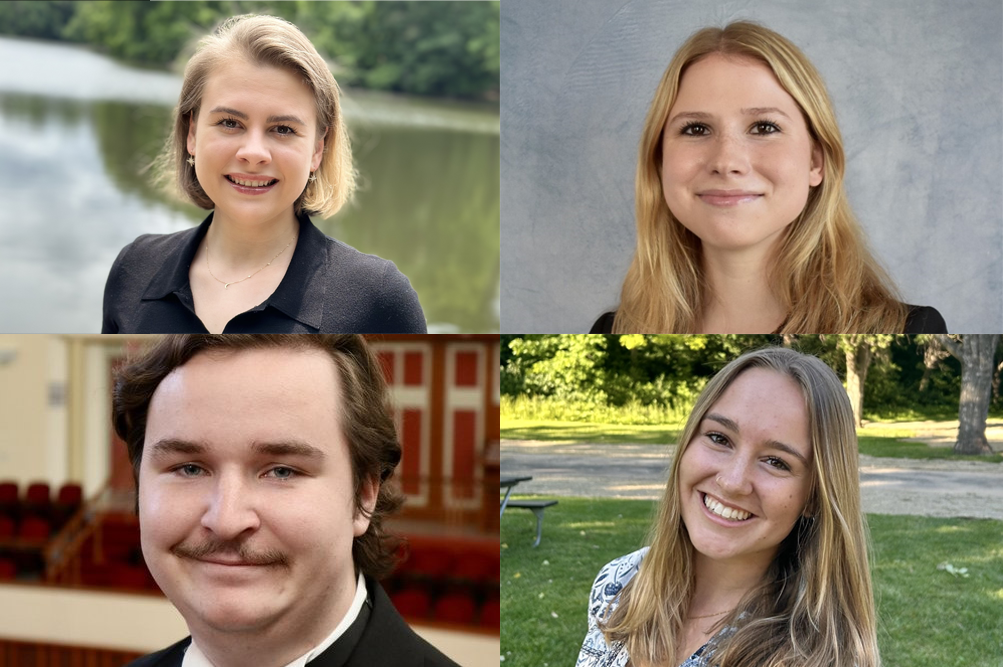
Four Emory History Department majors have been named to the Emory 100 Senior Honorary, an award program that recognizes exceptional student leaders in the graduating class. Majors Emilyn Hazelbrook, Klaire Mason, Alexander Moss, and Adelaide Rosene joined the honorees this year. Members of this prestigious group, which is marking its 20th year in 2025, are campus leaders, thought provokers, dynamic athletes, academic mentors, and community influencers. They have made meaningful contributions at Emory and are working to create a lasting impact in communities worldwide. Members of 100 Senior Honorary come from Oxford College, Emory College, Goizueta Business School, and the Nell Hodgson Woodruff School of Nursing. Past honorees continue to shape Emory’s future by mentoring students, supporting admissions, leading alumni chapters, organizing reunions, and serving on leadership boards. Read more about this program here.

Dr. Craig Perry (PhD, ’14) Presents New Research on Medieval Africa through Lens of Jewish Merchants

Dr. Craig Perry, a 2014 alum of the Emory History doctoral program and currently Assistant Professor of Middle Eastern Studies and Jewish Studies in Emory’s Tam Institute for Jewish Studies, presented new research at the International Medieval Congress in Leeds, England, in the summer of 2024. Based on a new English translation and analysis of a twelfth-century letter written by a Jewish merchant, Perry’s research offers new perspectives on the social history of medieval African societies and peoples. Read his reflection on the presentation, and elaboration on the research, here: “Prof. Craig Perry Presents Paper at the International Medieval Congress.” Perry completed his dissertation, “The Daily Life of Slaves and the Global Reach of Slavery in Medieval Egypt, 969-1250 CE,” under the advisement of Marina Rustow (faculty from 2003-2010).

Anderson Offers Historical Context on Brink of Inauguration

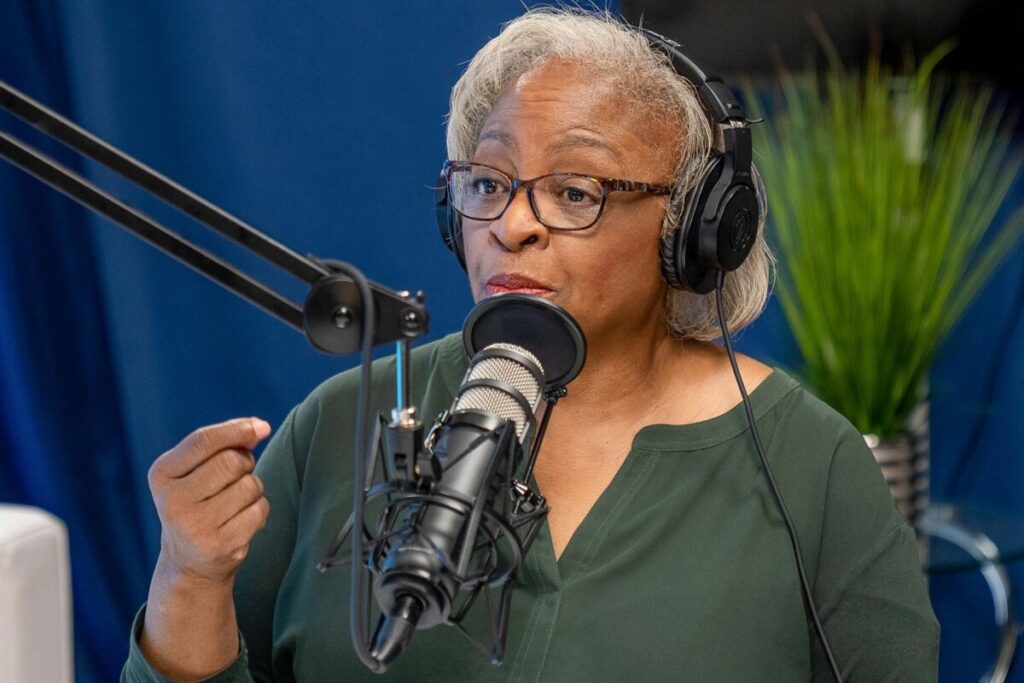
Dr. Carol Anderson, Robert W. Woodruff Professor of African American Studies and associated faculty in the History Department, recently sat for an interview on the “Big Books and Bold Ideas” show from Minnesota Public Radio. Anderson was interviewed alongside Lindsay M. Chervinsky, a presidential historian and the Executive Director of the George Washington Presidential Library. Speaking in the lead up to the inauguration of Donald Trump on January 20, Anderson and Chervinsky draw parallels to earlier periods in U.S. history and offer commentary on the country’s political trajectory. Anderson is the author of many books, including, most recently, The Second: Race and Guns in a Fatally-Unequal America (Bloomsbury, 2021). Listen to the MPR conversation here: “On the brink of the inauguration, historians reflect on America’s trajectory.”

Lipstadt Will Return to Emory as University Distinguished Professor

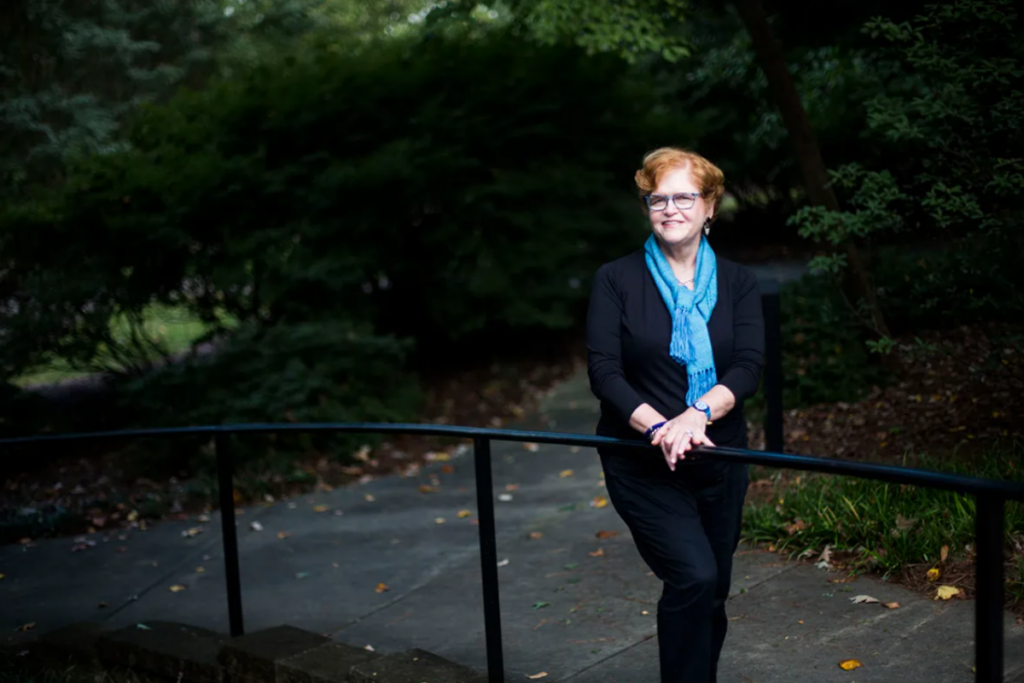
Dr. Deborah E. Lipstadt will return to the Emory faculty as University Distinguished Professor following her service as the U.S. special envoy to monitor and combat antisemitism in the Biden administration. A renowned historian of modern antisemitism and the Holocaust, Lipstadt will retain her positions as Dorot Professor of Modern Jewish and Holocaust Studies in the Department of Religion and Associated Faculty in the History Department. She is only the fourth person to hold a University Distinguished Professor chair, following Jimmy Carter, Salman Rushdie, and Kevin Young. Read more about Lipstadt’s return in the Emory News Center’s article.

“I am excited to bring what I have learned during my time with the State Department back to Emory to help teach the next generation of scholars and leaders,” Lipstadt says. “When my nomination was announced, I said that the one thing I would miss was being in the classroom with my Emory students. Now, I look forward to returning to campus to resume the crucial task of supporting students as they learn to evaluate evidence and think critically.”

Brunner (PhD, ’24) Publishes Article in ‘African Economic History’

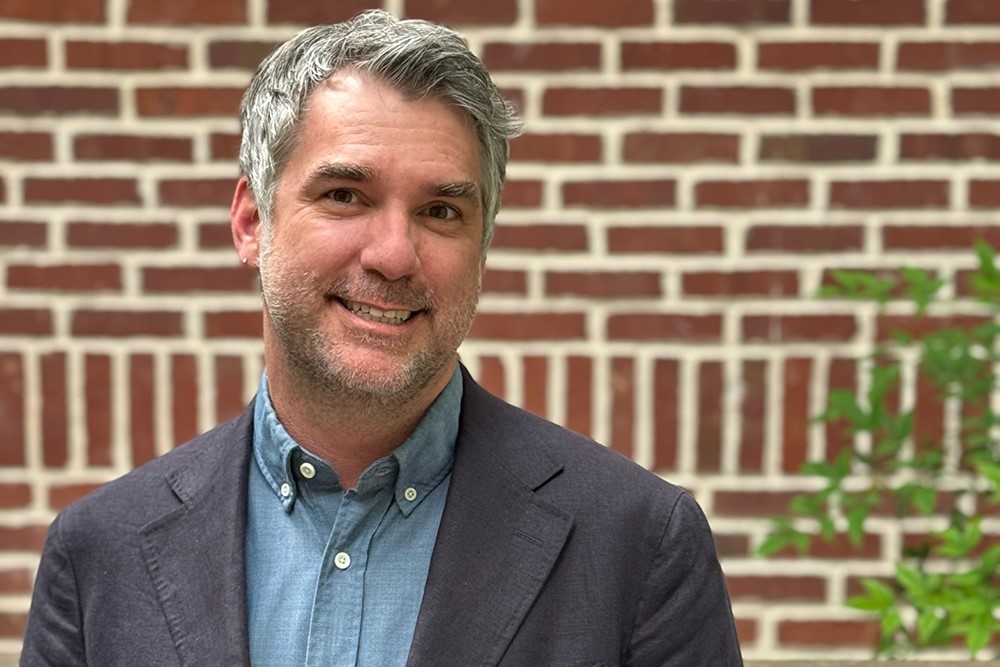
Dr. Georgia Brunner, a 2024 graduate of the History doctoral program, has published a new article in the journal African Economic History. Titled “Famine, Labor, and Power in Colonial Rwanda, 1916–1944,” the piece explores how colonial administrators used famine to extract labor from Africans in Rwanda. Brunner completed their dissertation, “Building a Nation: Gender, Labor, and the Politics of Nationalism in Colonial Rwanda,” under the advisement of Clifton Crais, Professor of History. They are currently Prestigious Fellowships Advisor in the Office of Undergraduate Education at Georgia Tech. Read the abstract of Brunner’s piece below and find the full article here.

In the early twentieth century, Rwandans faced a number of colonial pressures, first from Germans interested in solidifying their vast East African empire, and then by Belgian troops fighting in the First World War. This article argues that Europeans exploited Rwandans in times of crisis, particularly during war and famine, to cement their control over Rwanda. Both Germans and Belgians fought over porters and land, causing significant famine throughout the war-torn territory. Later, Belgians capitalized on two subsequent famines to increase compulsory labor under the guise that such labor was needed to end famine. This article uses Anglican, newly available Catholic missionary documents, and Belgian colonial records to discuss (a) the cause of famines in colonial Rwanda, (b) the ways that colonial administrators used famines to extract unfree labor, and (c) how those systems of labor extraction continued in times of plenty and cemented colonial presence in the territory.

History Department Offers Rich Slate of Courses for Spring 2025 Semester

Faculty and graduate students in the Emory History Department will teach a rich slate of undergraduate courses in the spring 2025 semester. These include offerings at the 200 and 300 levels, as well as many compelling interdisciplinary courses cross-listed with departments across campus. Browse the offerings below.

200-Level Courses

  • HIST 215/AMST 285-1: History of the American West, Patrick Allitt, TTh 11:30am-12:45pm
  • HIST 221/AFS 221-1: The Making of Modern Africa, Clifton C. Crais, TTh 10am-11:15am
  • HIST 228/AMST 228/ EAS 228 1: Asian American History, Chris Suh, MW 2:30pm-3:45pm
  • HIST 239/AAS 239: History of African Americans Since 1865, Kali Gross, MW 10am-11:15am
  • HIST 247: Napoleon’s Europe, Brian Vick, MW 5:30pm-6:45pm
  • HIST 254/MESAS 254: From Pearls to Petroleum, Roxani Margariti, MW 10am-11:15am
  • HIST 265/MESAS 235: Making of Modern South Asia, Hugo Hansen, MW 4pm-5:15pm
  • HIST 267W/AAS 267W: The Civil Rights Movement, Carol Anderson and Lizette London, MW 4pm-5:15pm
  • HIST 270/JS 270/MESAS 275: Survey of Jewish History, Tamar Menashe, TTh 2:30pm-3:45pm
  • HIST 279W/CHN 279W: Post-Mao? China After 1976, Sarah M. Rodriguez, MW 1pm-2:15pm
  • HIST 285/AMST 285-2: The US and the Cold War, Emilie Cunning, MW 11:30am-12:45pm
  • HIST 285-2/AFS 270-2: Colonial Legacies in Africa, Gerardo Manrique de Lara Ruiz, MW 5:30pm-6:45pm
  • HIST 285-3/AFS 270-3: African Nationalism in the 20th Cent., Rene Odanga, 2:30pm-3:45pm
  • HIST 296-1/ JS 271: Jews & Race in U.S. History, Eric L. Goldstein, MW 10am-11:15am
  • HIST 296-2/REL 270-4/JS 271-2: Holocaust Memory in Europe, Israel, & the US, Alicja Podbielska, TTh 11:30am-12:45pm
  • HIST 200W/MESAS 200W: Middle East: Empires to Nations, Courtney Freer, TTh 11:30am-12:45pm
  • HIST 206W/MESAS 202W: South Asia: Empires to Nations, Ruby Lal, MW 2:30pm-3:45pm
  • HIST 214/AMST 285-3: The American Death Penalty, Daniel LaChance, MW 4pm-5:15pm

300-Level Courses

  • HIST 332/MESAS 332: Gandhi: Non-Violence & Freedom, Scott A Kugle, MW 2:30pm-3:45pm
  • HIST 336/AMST 336/LACS 336: Migrants & Borders in the US, Iliana Rodriguez, TTh 10am-11:15am
  • HIST 338/JS 338: Jews of Eastern Europe, Ellie Schainker, TTh 10am-11:15am
  • HIST 342/AMST 385-1: The Old South, Maria Montalvo, TTh 1pm-2:15pm
  • HIST 343 (Part of Sustainability Minor too): History of Skiing & Snowsports, Judith A. Miller, TTh 5:30pm-6:45pm
  • HIST 347: The Industrial Revolution, Patrick Allitt, TTh 2:30pm-3:45pm
  • HIST 348/AMST 348-1/JS 371 3: Ethnic Experience in America, Jonathan Prude, TTh 5:30pm-6:45pm
  • HIST 363W/LACS 363W-1: Sugar and Rum, Robert Goddard, TTh 8:30am-9:45am
  • HIST 368/HLTH 385-10: History of Hunger, Thomas Rogers, TTh 5:30pm-6:45pm
  • HIST 378 /AFS 378-1/ANT 378-1/LACS 378 -1: Human Trafficking: Global History, Adriana Chira, MW 1pm-2:15pm
  • HIST 384/AAS 384-1/ENG 389-1: Slavery in US History & Culture, Michelle Gordon, TTh 4pm-5:15pm
  • HIST 385-1/AMST 385-2/ ANT 385-8: Oral History: Methods/Practices, Jonathan Coulis, TTh 4pm-5:15pm
  • HIST 385-2/AMST 385-3: Information & Power, US History, Matthew Guariglia, MW 10am-11:15am
  • HIST 385-3/JS 371-2/WGS 385-9: Women & Law, 1200-1800, Tamar Menashe, TTh 11:30am-12:45pm
  • HIST 385-4/REES 375-1: The Soviet Cold War, Matthew Payne, MWF 1pm-1:50pm
  • HIST 385-6: Cultures of Romanticism, Brian Vick, MW 1pm-2:15pm
  • HIST 385W-1: Singlewomen/Premodern Europe, Michelle Armstrong-Partida, MW 11:30am-12:45pm
  • HIST 385W-2/AMST 385W-2: Black & Indigenous Histories, Malinda Lowery, MW 10am-11:15am
  • HIST 396-2/CPLT 389-1/ENG 389-2: History, Memory, Literature, Angelika Bammer, TTh 10am-11:15am
  • HIST 396-3/ENG 389-3/PHIL 385-5/CPLT 389-3: No Time to Think!, Elizabeth Goodstein, TTh 4pm-5:15pm
  • HIST 396-4/ GER 375-1, JS 375 1, CPLT 389 4: Making Sense of Fascism, Frank Voigt, TTh 2:30pm-3:45pm
  • HIST 302/CL 329R: History of Rome, Jinyu Liu, MW 2:30pm-3:45pm
  • HIST 323: Reformation Europe & Beyond, Sharon Strocchia, TTh 4pm-5:15pm
  • HIST 325W/CL 325W: The Classical Tradition & American Founding, Barbara Lawatsch-Melton, TTh 2:30pm-3:45pm

Crespino, Jimmy Carter Professor of History, Remembers Life and Legacy of Former President

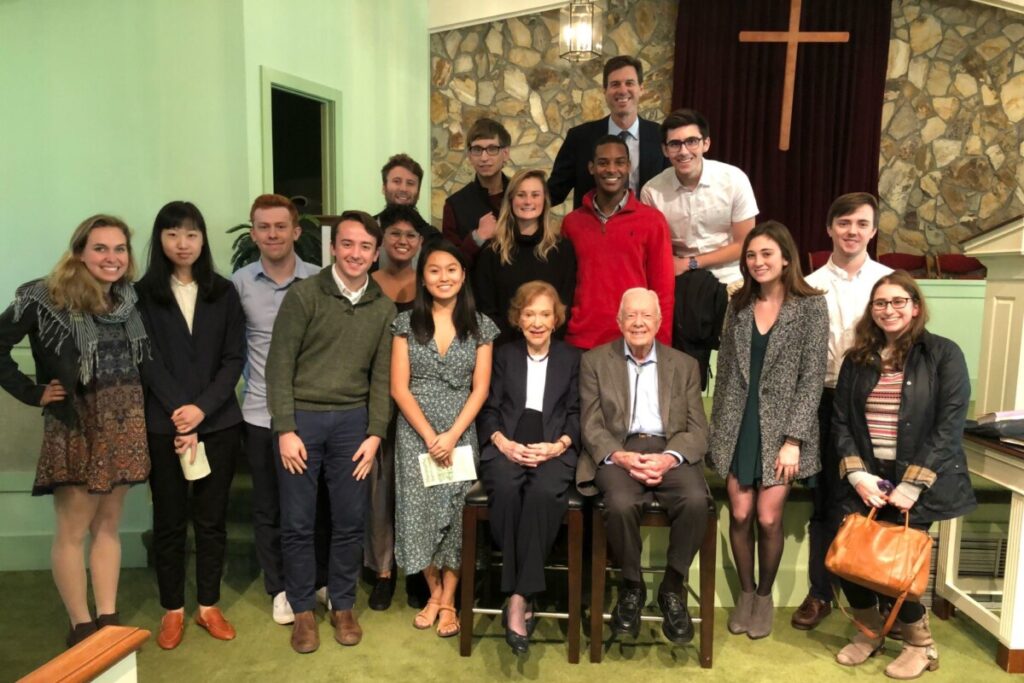
Members of Joe Crespino’s “Carter Presidency” seminar course visiting Jimmy Carter’s Sunday school at Maranatha Baptist Church in Plains, Georgia, in 2018.

Former U.S. President Jimmy Carter died on December 29, 2024, at the age of 100. Dr. Joseph Crespino, Senior Associate Dean of Faculty and Divisional Dean of Humanities and Social Sciences and the Jimmy Carter Professor of History, has helped to shape of popular understandings of Carter’s life and legacy, including in the days since his passing. Carter nurtured a “unique collaboration” with Emory University, which included regular end-of-term visits to Crespino’s “Carter Presidency” seminar course. Crespino was named the first Jimmy Carter Professor in 2014. View a presentation Crespino recently gave about Carter’s legacy, along with a list of recent articles from, and media citations of, Crespino focused on the former president.